
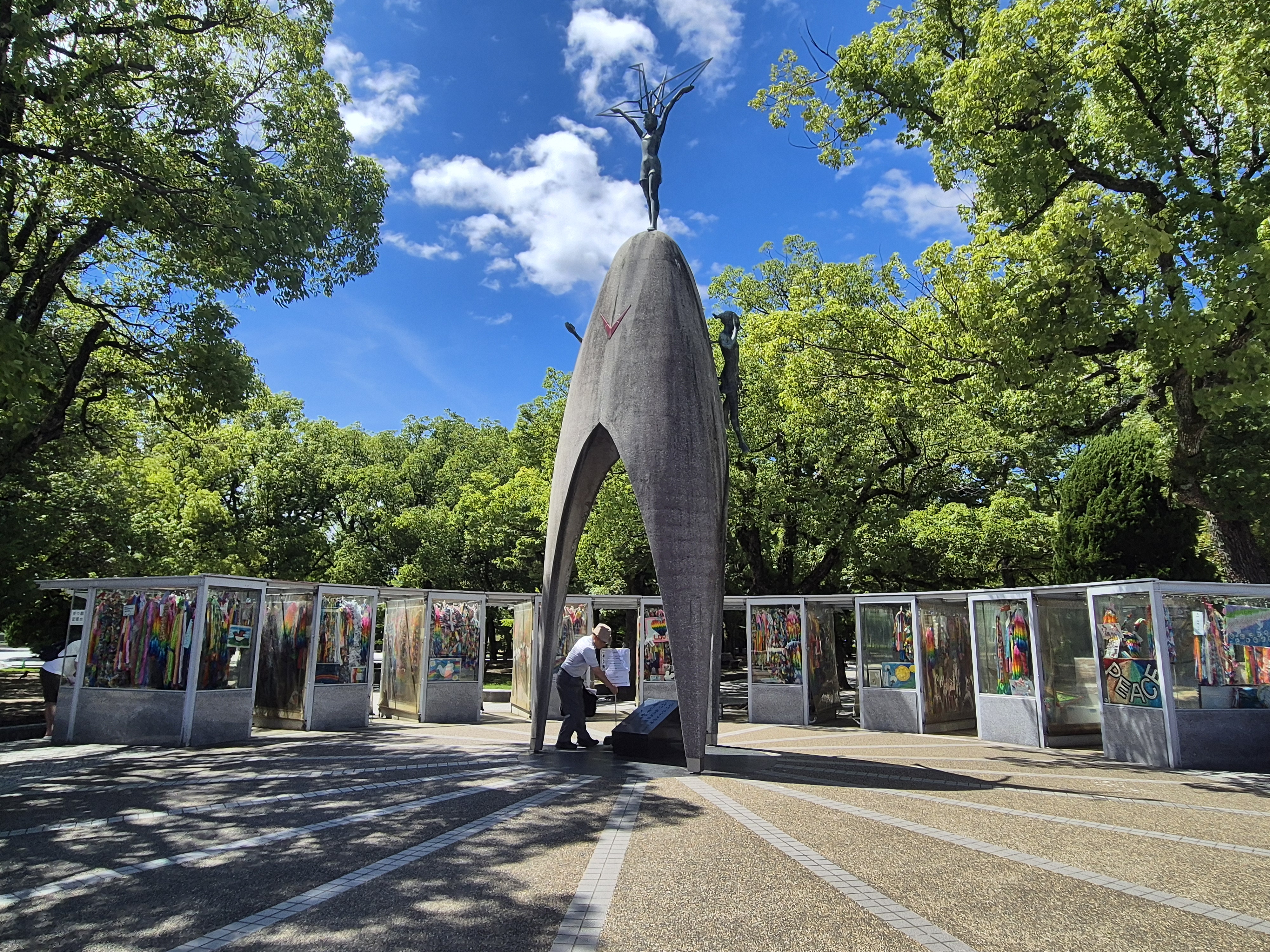

Hirosima
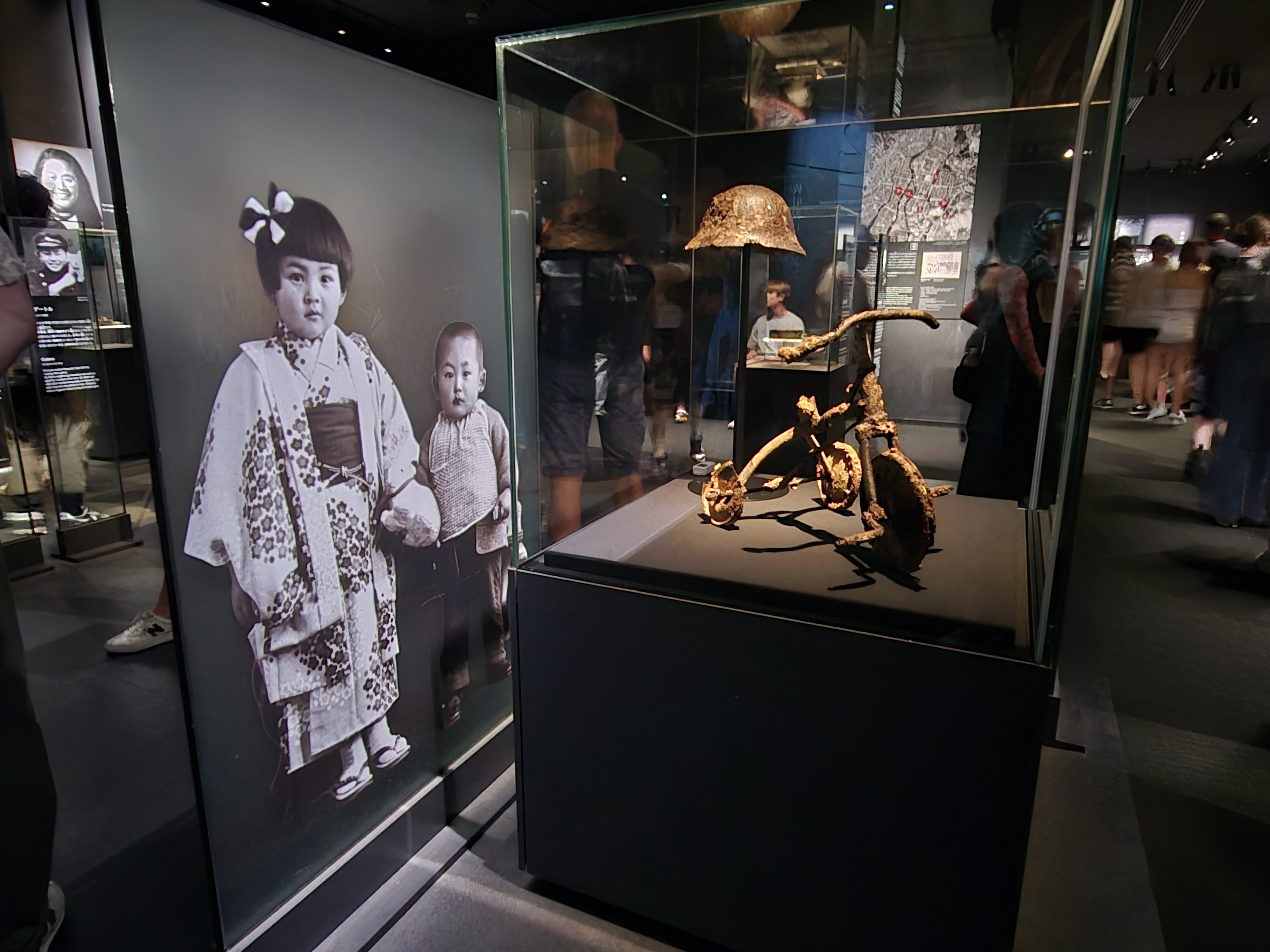
Hiroshima is a perfect example of how a historical site with a tragic past can become an international hub for sustainability, renewal, and global reconciliation. Surrounded by clear rivers, lush green mountains, and the tranquil Seto Inland Sea, the metropolis's name is forever linked to one of history's most devastating moments. The atomic bombing on 6 August 1945 almost completely destroyed the city, and contemporary experts believed that no life would survive in the area for decades.
However, the residents defied these predictions: the city not only physically rebuilt itself in record time but also underwent a profound transformation in spirit. From a former military hub, it has evolved into a vibrant, eco-conscious metropolis with environmentally friendly public transport – including Japan's most extensive tram network.
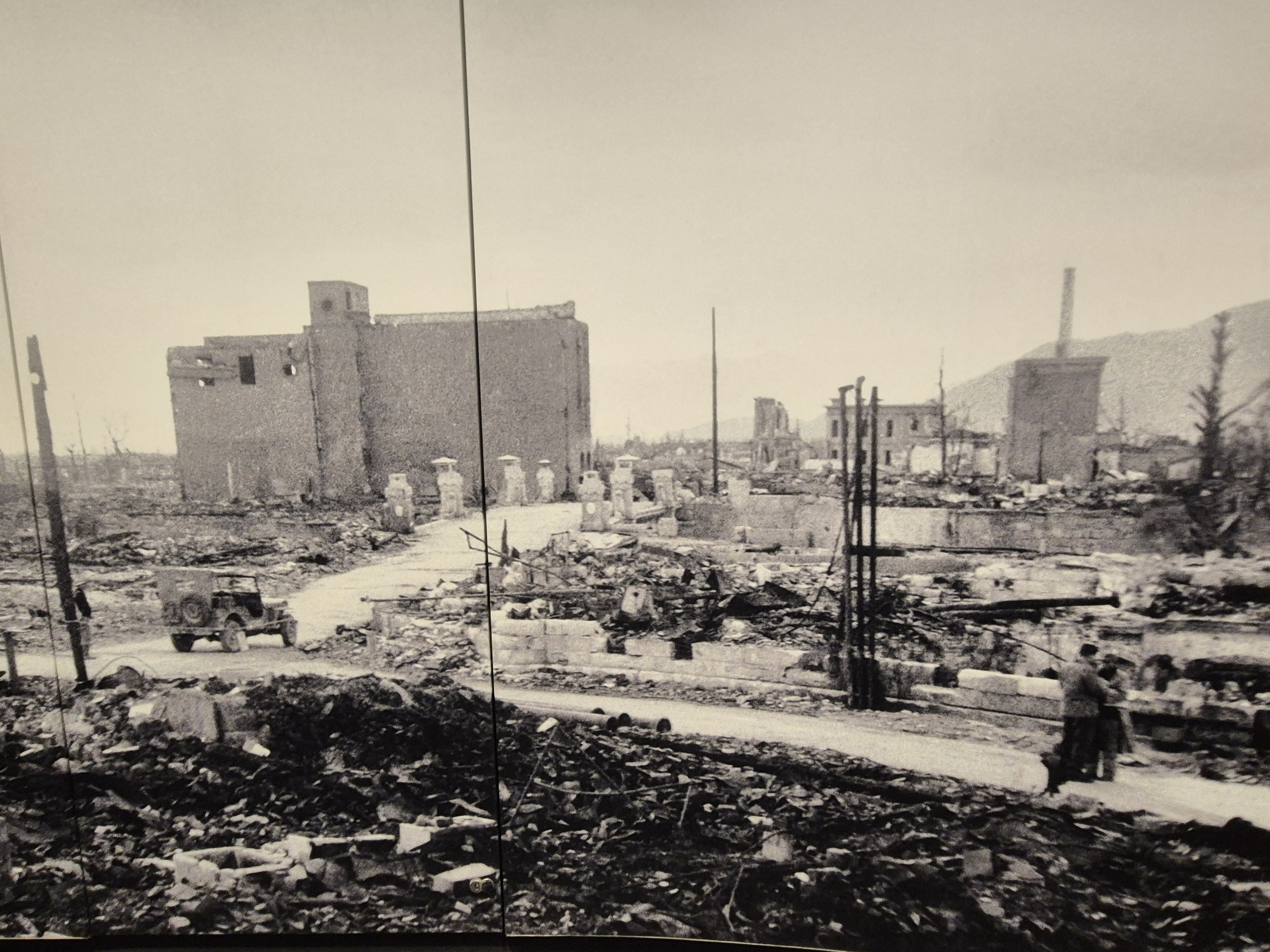
Peace Tourism
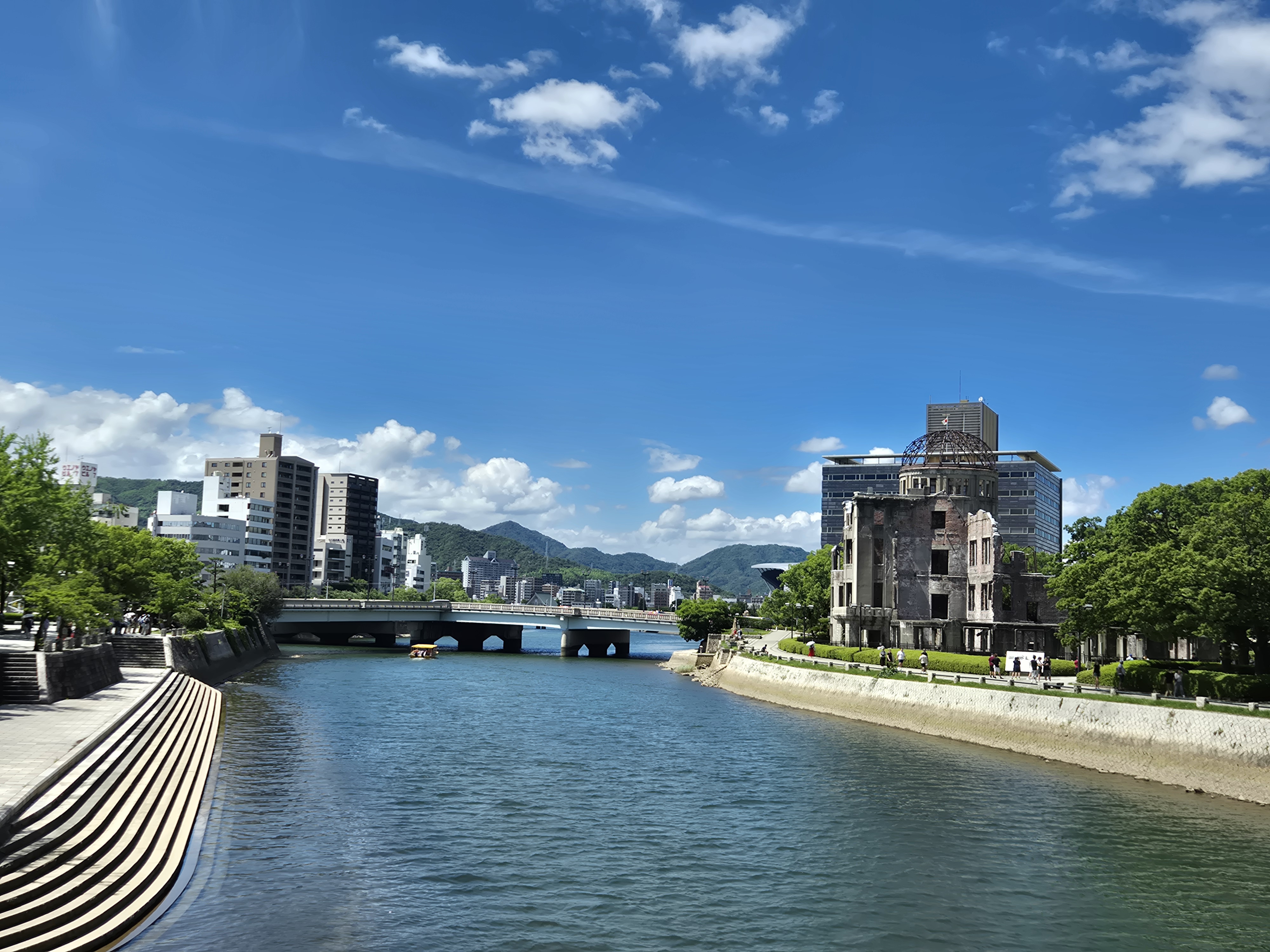
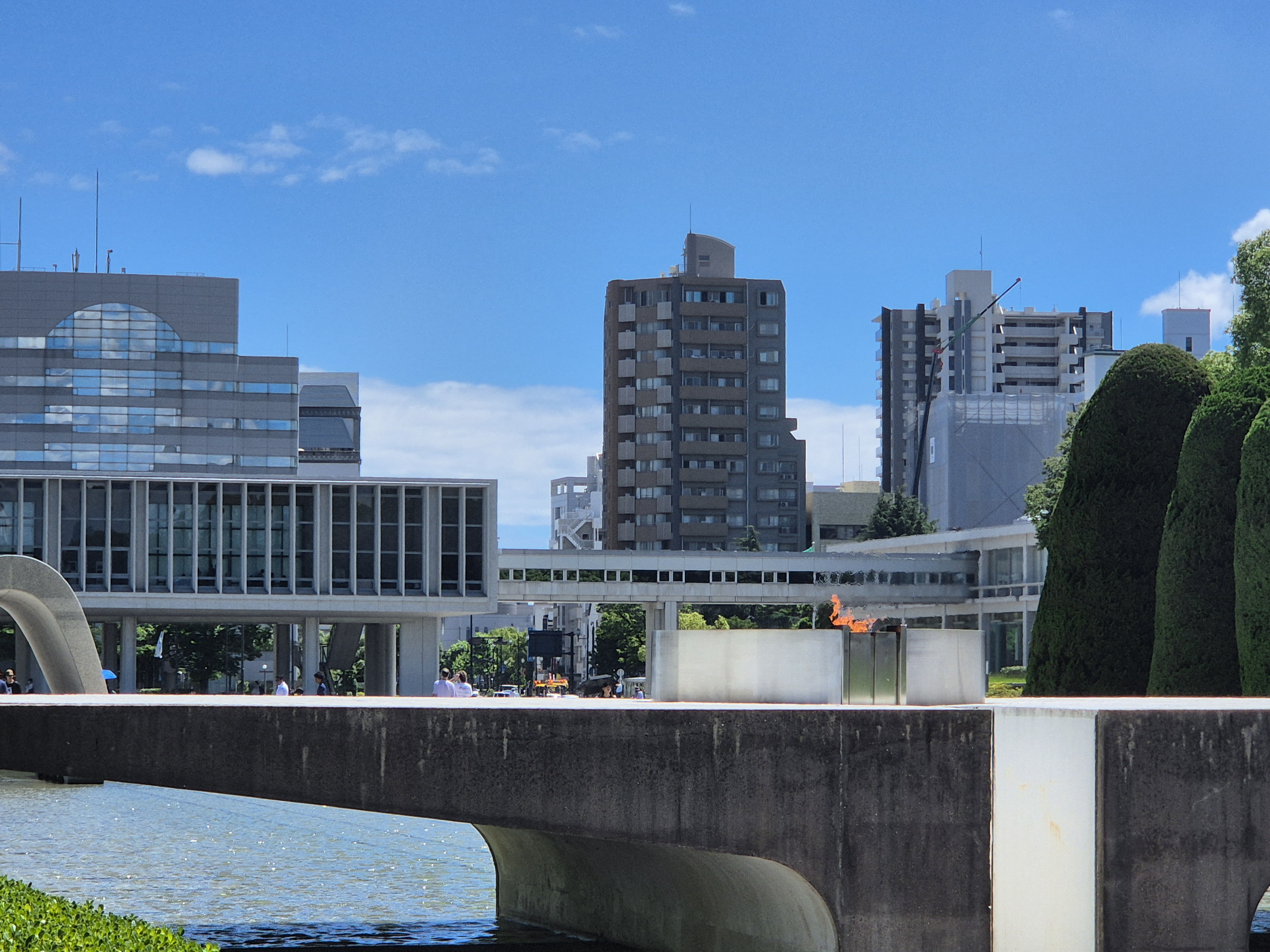
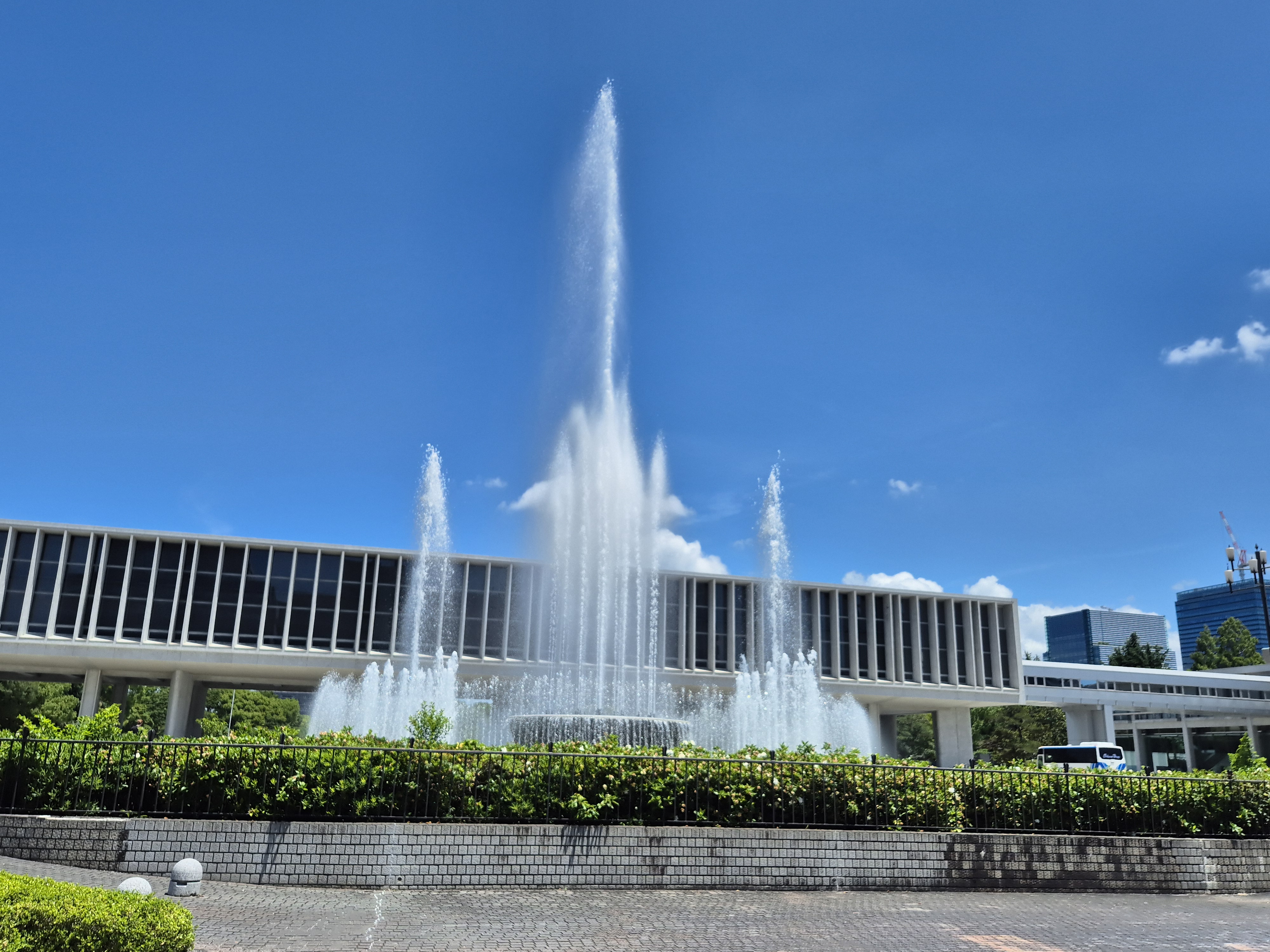
Today, the city is a global pioneer in so-called peace tourism, a branch of sustainable tourism where visitors are not passive observers but active participants in a universal, forward-looking message. The spacious Peace Memorial Park and the UNESCO World Heritage-listed Atomic Bomb Dome, preserved as a monument, do not speak of anger or division but of forgiveness and the uncompromising fight for a world free of nuclear weapons.
This intellectual legacy is actively nurtured and passed on to future generations by the local community. Descendants of survivors, as dedicated heritage interpreters, ensure the continuity of historical memory through personal stories, while visitors to the nearby Orizuru Tower, a modern building with a green roof, can participate in folding paper cranes – a symbol of peace and healing.
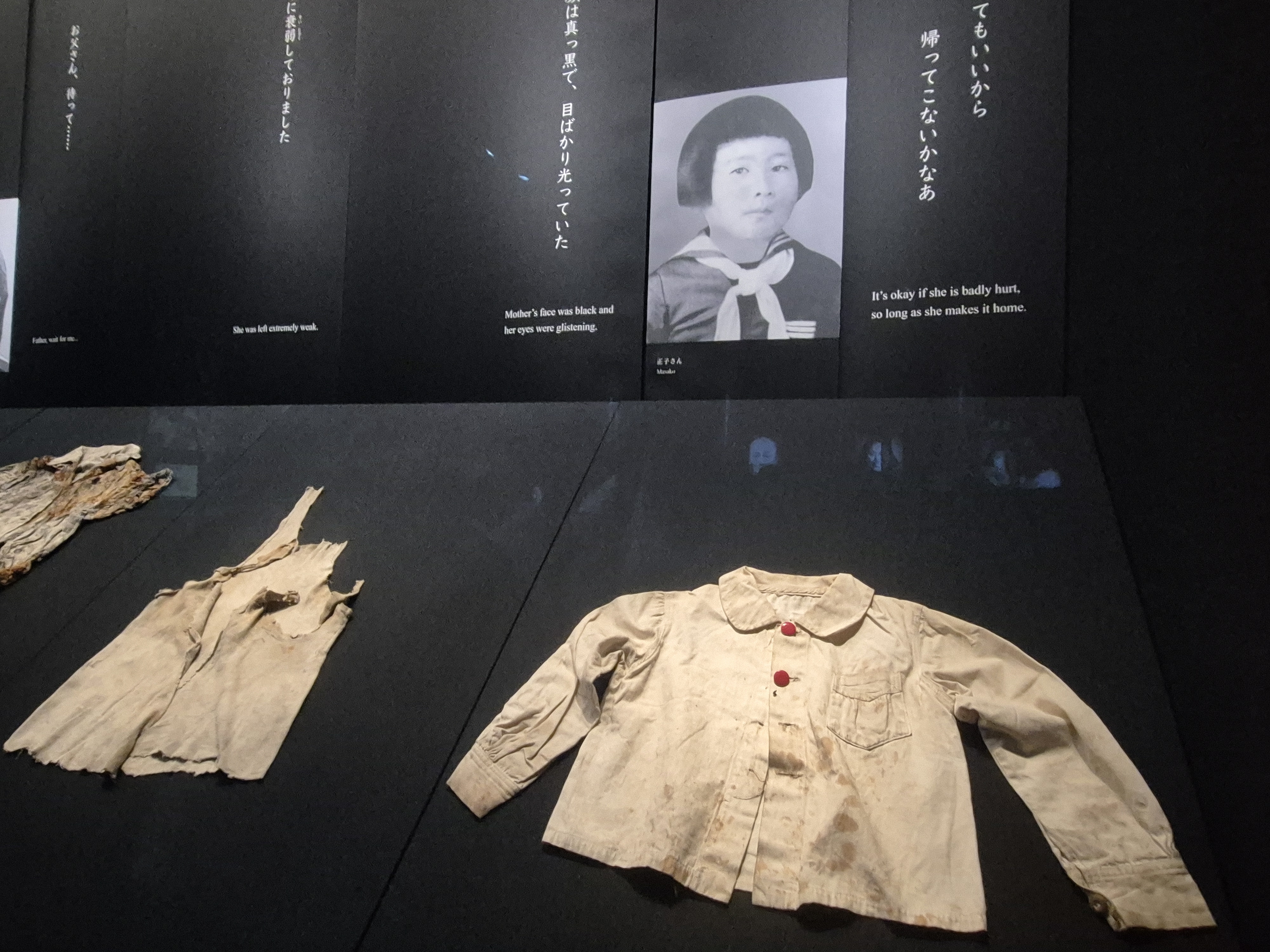
Local Values and Sustainable Gastronomy
This deeply rooted sense of responsibility is also evident in the local economy and daily consumption, closely following the tradition of “Chisan-Chisho” (local production, local consumption), which drastically reduces the ecological footprint caused by transportation. Hiroshima's iconic dish, the layered and hearty okonomiyaki pancake, originally emerged during the post-war food shortages from whatever ingredients locals could find. Today, local restaurants source almost all ingredients for this dish from sustainable farms in the surrounding prefecture.
A similar level of awareness characterises the famous oyster farms of the Seto Inland Sea, which operate under strict ecological regulations to protect the sea's fragile ecosystem from overfishing and pollution. The region's traditional craftsmanship, such as the world-renowned Kumano brushes or cedar and bamboo products from sustainable forestry, also demonstrates that preserving cultural values and respecting nature can coexist in perfect harmony. Visiting Hiroshima thus becomes a profound inner journey, showing travellers that the true foundation of sustainability lies in peaceful coexistence and collective responsibility for the future.
Sustainable Green Mobility and the Legacy of A-Bomb Trees
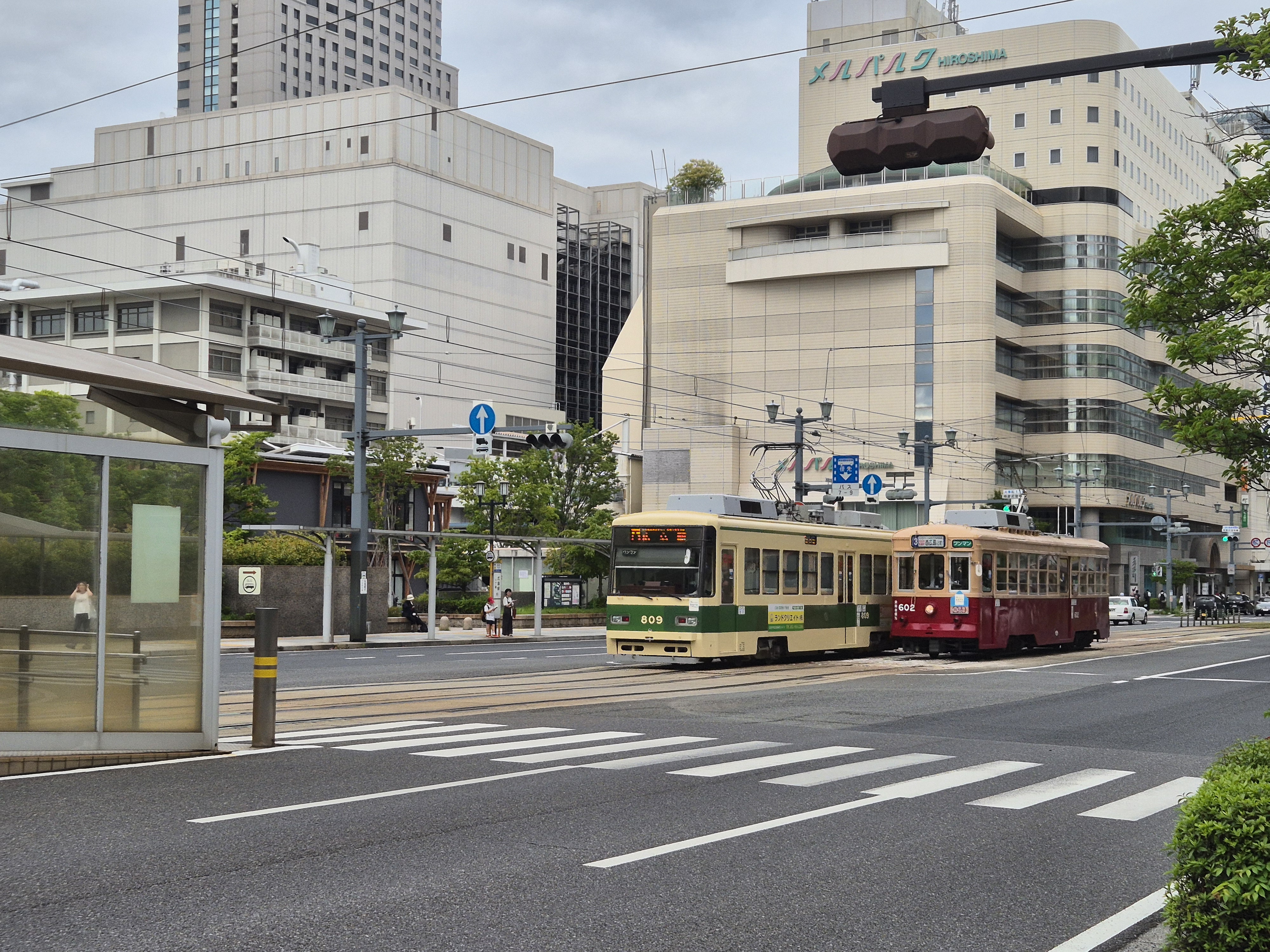
The city's tangible sustainability strategy is evident in its urban fabric, centred around the Hiroden tram network. Japan's largest tram system not only minimises carbon emissions but also continues to operate carriages that miraculously survived the 1945 bombing, making green transport here a carrier of historical continuity. Cycling tourism is supported by local bike-sharing systems and well-signposted panoramic routes along the city's six rivers, providing direct access to green spaces.
Hiroshima's unique botanical heritage, the Hibakujumoku (A-bomb survivor trees) project, is a living testament to nature's regenerative power. The registered and carefully tended trees found throughout the city – including ginkgo bilobas and willows – form a special green trail that not only preserves biodiversity but also fosters deep ecological humility in visitors, linking urban reforestation with historical remembrance.
- Editorial Content -
Getting there
- Bike
- Electric bicycle
- Railway
- Bus (rented for the trip)
- Bus (rented for the trip)
- Motorcycle
- Car
- Electric car
- Airplane
Arrival
- Walk
- Bike
- Electric bicycle
- Public bus transportation
- Bus (rented for the trip)
- Motorcycle
- Car
- Tram
Public transport
- railway
- bus