

Kiotó
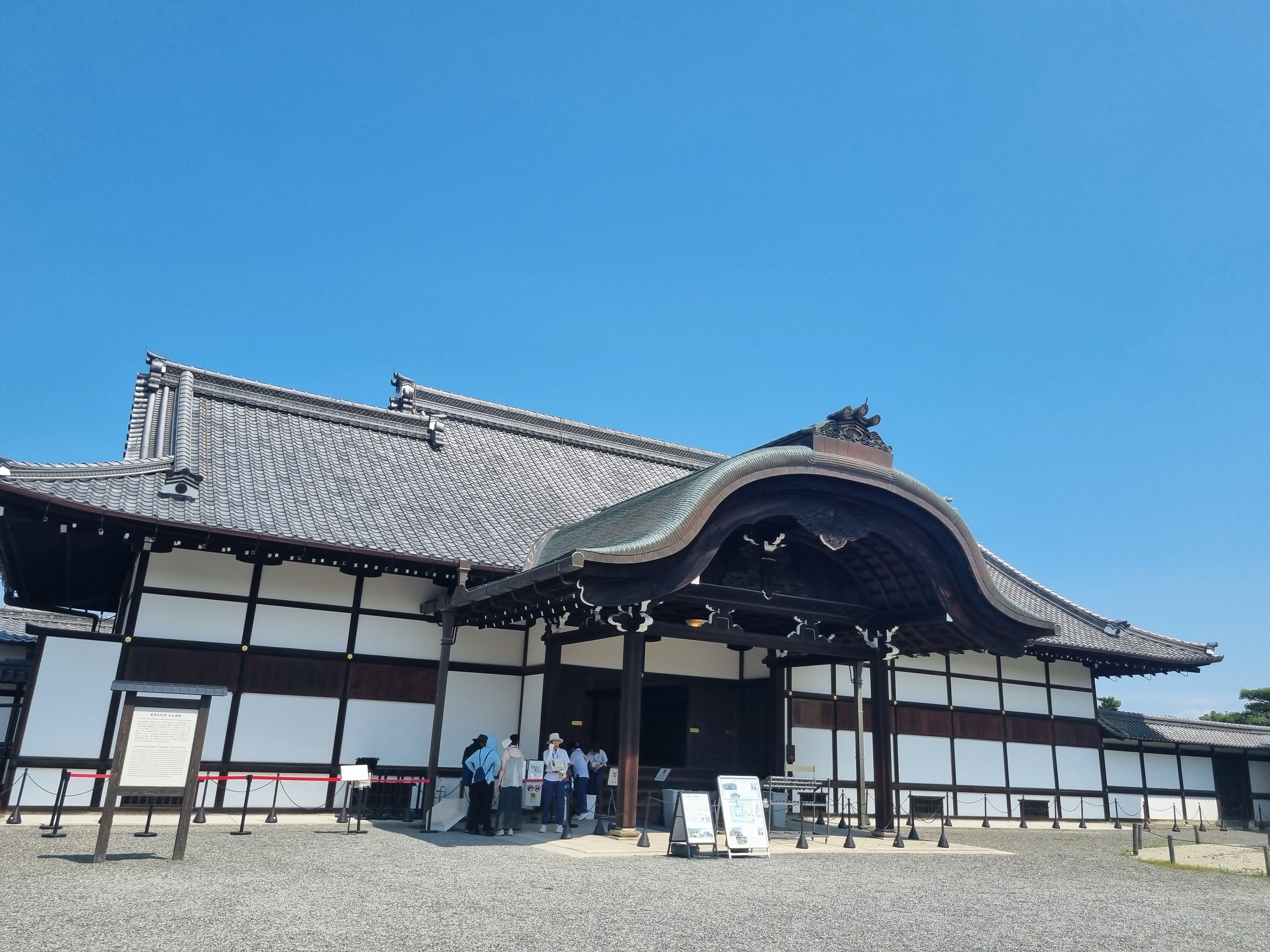
Kyoto is one of Japan's most culturally rich cities, blending its imperial heritage, religious significance, and living traditions of craftsmanship. The cityscape layers classical wooden architecture, the art of gardens, and everyday rituals (tea ceremonies, markets, seasonal festivals). Its historical importance is underscored by the UNESCO World Heritage Site, the 'Historic Monuments of Ancient Kyoto (Kyoto, Uji and Otsu Cities)', which includes 16 shrines/temples and one castle in the Kyoto area.
Atmosphere and districts: exploring Kyoto's diverse vibes
The best way to discover Kyoto is by thinking in terms of districts, as each offers a unique atmosphere. Higashiyama is the 'classic postcard Kyoto' with its steep streets, pagodas, and temples; Gion and its surroundings are the gateway to the traditional teahouse culture; Arashiyama in the west is greener, featuring bamboo groves, riversides, and gardens; Fushimi and Uji in the south are hubs for Shinto shrines and tea culture; while the city centre pulses with gastronomy and contemporary urban life.
Sights
Start early in Higashiyama: the area around Kiyomizu-dera offers the most serene 'quiet Kyoto' experience in the morning. Afternoons are ideal for strolling to nearby shrines, smaller gardens, and the Gion–Hanamikoji area, where the traditional cityscape is best preserved, especially under the evening lights. In Arashiyama, plan for a riverside walk and a leisurely lunch alongside the bamboo grove and surrounding gardens, as the area can get crowded if treated as just a quick stop. Fushimi Inari, with its iconic torii gate corridors, is particularly enchanting early in the morning or late in the afternoon when the light and crowds are more favourable.
Kyoto's strength lies in its ability to make cultural heritage an experience. The Nishiki Market and smaller food shops are attractions in themselves, showcasing local ingredients and seasonal flavours. Kaiseki cuisine, tofu and vegetable traditions, matcha, and wagashi (Japanese sweets) are all 'site-specific' experiences that require no special expertise—just a well-chosen restaurant and an open mind. On the craftsmanship side, Kyoto's ties to textiles, ceramics, lacquerware, and bamboo crafts make it worth seeking out small workshops or shops where the story behind the product is part of the purchase.
When to visit?
Spring (cherry blossom season) and autumn (autumn foliage) are the most popular—and busiest—times to visit. Summer brings a strong cultural focus with festivals like Gion Matsuri, though it can be hot and humid; winter sees fewer visitors, often offering clearer city views and more intimate temple gardens. In Kyoto, 'good timing' often goes beyond weather: early mornings, evenings, and weekdays provide noticeably better experiences at major sites.
Transport: practical and stress-free solutions
Kyoto's urban transport relies heavily on public transport and walking: a combination of metro, rail lines, buses, and bicycles makes most places efficiently accessible. The official Kyoto tourism website specifically highlights the conscious use of public transport as a sustainable way to explore the city and provides detailed guides for using trains/metro, buses, taxis, and bicycles. On busier days, travelling with just hand luggage and choosing accommodation that serves as a 'good base' for at least two key districts can make a big difference.
Etiquette and photography: more important than you might think
In Kyoto, the interaction between local life and tourism is delicate, especially in Gion. The city has introduced several measures to address issues; for example, in 2024, it was announced that some privately owned narrow streets in Gion would restrict tourist access, while main streets like Hanamikoji remain open. In practice, this means paying close attention to signage, avoiding following or 'paparazzi-style' photographing of maiko/geiko, and adhering to on-site rules and notices.
From a sustainability perspective, Kyoto's goal is increasingly explicit: tourism that aligns with the needs of its residents. The city's tourism strategies focus on improving quality, avoiding overcrowding, distributing visitor impact across space and time, and enhancing transport and digital solutions. For sustainable sightseeing, public transport and 'hands-free' (luggage-free) options play a key role. As a traveller, the most impactful steps are simple: choose weekdays and early morning/late afternoon time slots, stay multiple nights in the same area (reducing rushed transfers), use public transport or bicycles, avoid overcrowded sites during peak times, explore lesser-known districts, follow photography and entry rules (especially in Gion), and spend with local, small-scale businesses and artisans, as this directly enhances the social 'return' of tourism in the city.
- editorial content -
Getting there
- Bike
- Electric bicycle
- Railway
- Bus (rented for the trip)
- Bus (rented for the trip)
- Motorcycle
- Car
- Electric car
Arrival
- Walk
- Bike
- Electric bicycle
- Public bus transportation
- Bus (rented for the trip)
- Motorcycle
- Car
Public transport
- railway
- bus
Sustainability level
Topic 1: Destination Management 92%
- Visitor management: 100%
- Commitment and organization: 100%
- Design & development: 83%
- Monitoring and reporting: 75%
- Legal and ethical compliance: 100%
Topic 2: Nature and landscape 90%
- Nature and wildlife protection: 100%
- Nature and conservation: 80%
Topic 3: Environment and climate 64%
- Land use and pollution: 0%
- Water management: 20%
- Energy, sustainable mobility and climate change: 100%
- Adaptation to climate change: 100%
- Waste and recycling: 100%
Topic 4: Culture and traditions 100%
- Cultural heritage: 100%
- People and traditions: 100%
Topic 5: Social Welfare 97%
- Health and safety: 100%
- Local economy: 100%
- Socio-economic impacts: 100%
- Community participation: 100%
- Human dignity: 86%
Topic 6: Business and Communication 72%
- Business participation: 44%
- Information and marketing: 100%