
Nara
Nara is Japan's cultural cradle, uniquely showcasing how the heritage of an ancient civilisation can coexist in perfect harmony with its environment. As the country's first permanent capital, Nara is not merely a collection of monumental landmarks but a living ecosystem where spiritual traditions, wildlife, and sustainable community practices have thrived hand in hand for over a thousand years.
The First Capital and Spiritual Roots
Founded in the 8th century, Heijo-kyo (modern-day Nara) was Japan's first true political and religious centre, from which Buddhism and imperial culture spread across the archipelago. Although the capital later moved to Kyoto, Nara has retained its peaceful, meditative character.
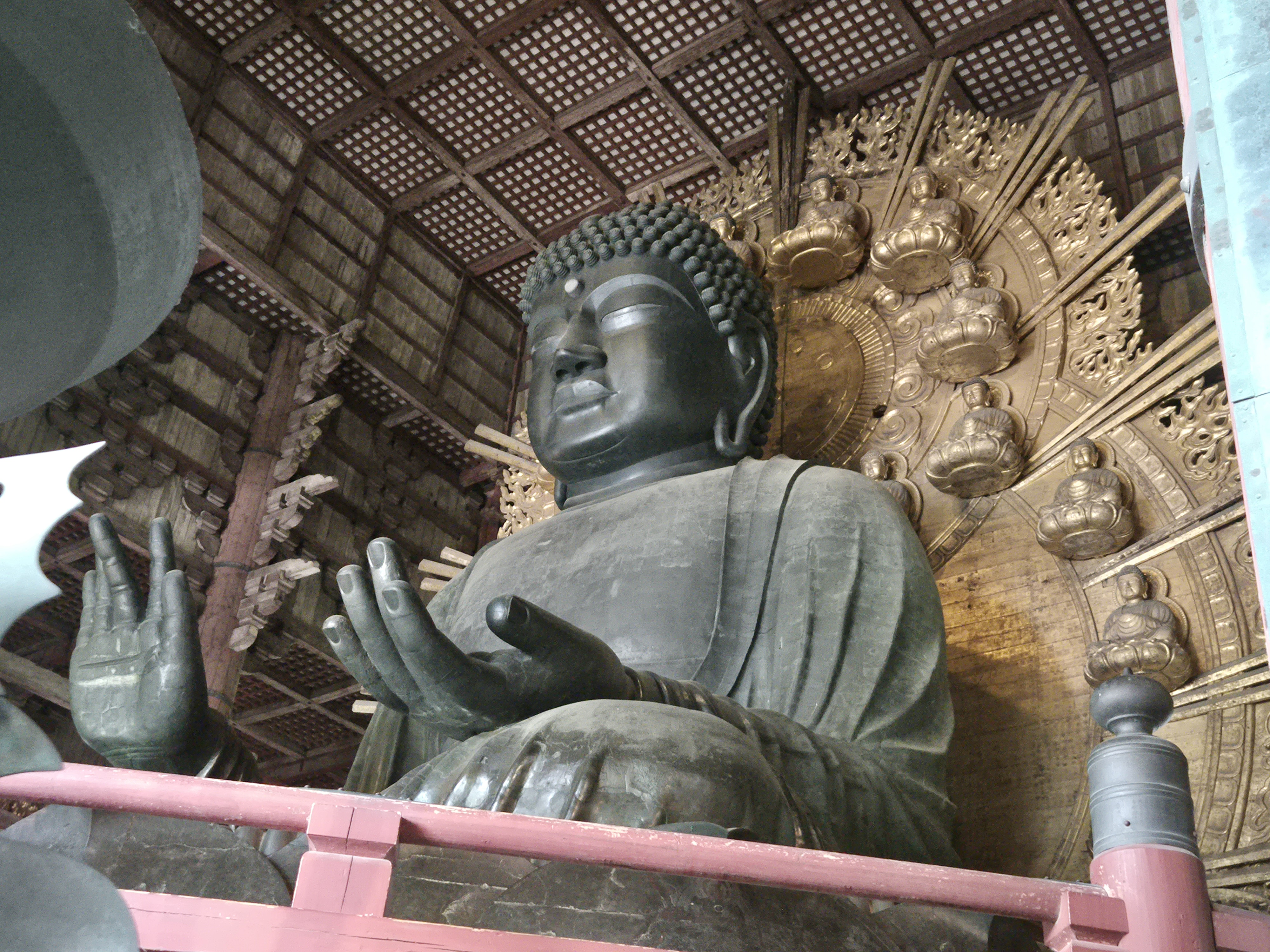
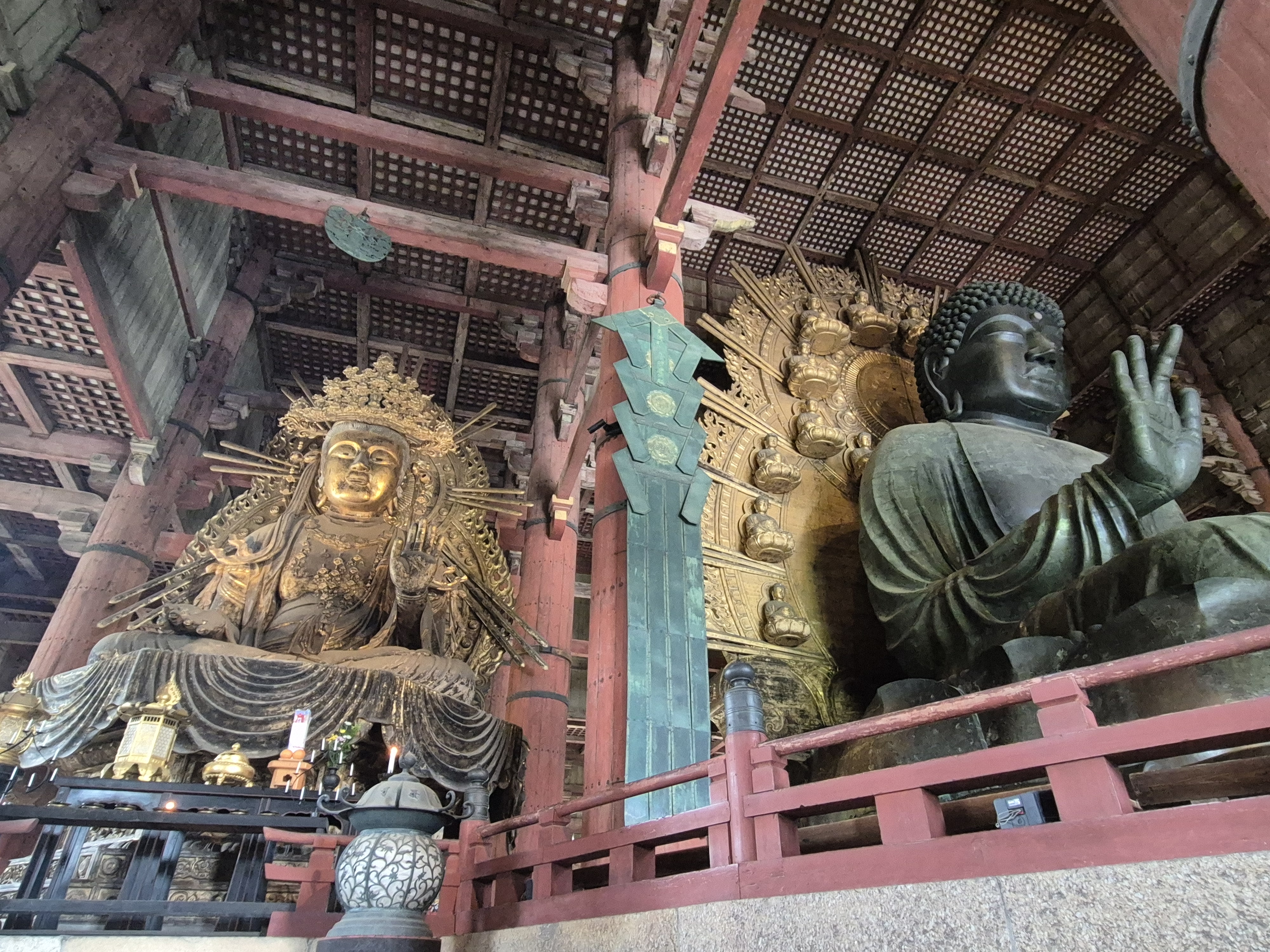
The historic core of the city, consisting of temple complexes, is part of the UNESCO World Heritage. Among them, the Todai-ji stands out as one of the largest wooden buildings in the world, housing the colossal bronze Daibutsu (Great Buddha). This monumental statue has symbolised peace and cosmic balance for centuries, reminding travellers of the profound connection between humanity and the universe.
Sacred Deer and the Kasugayama Primeval Forest
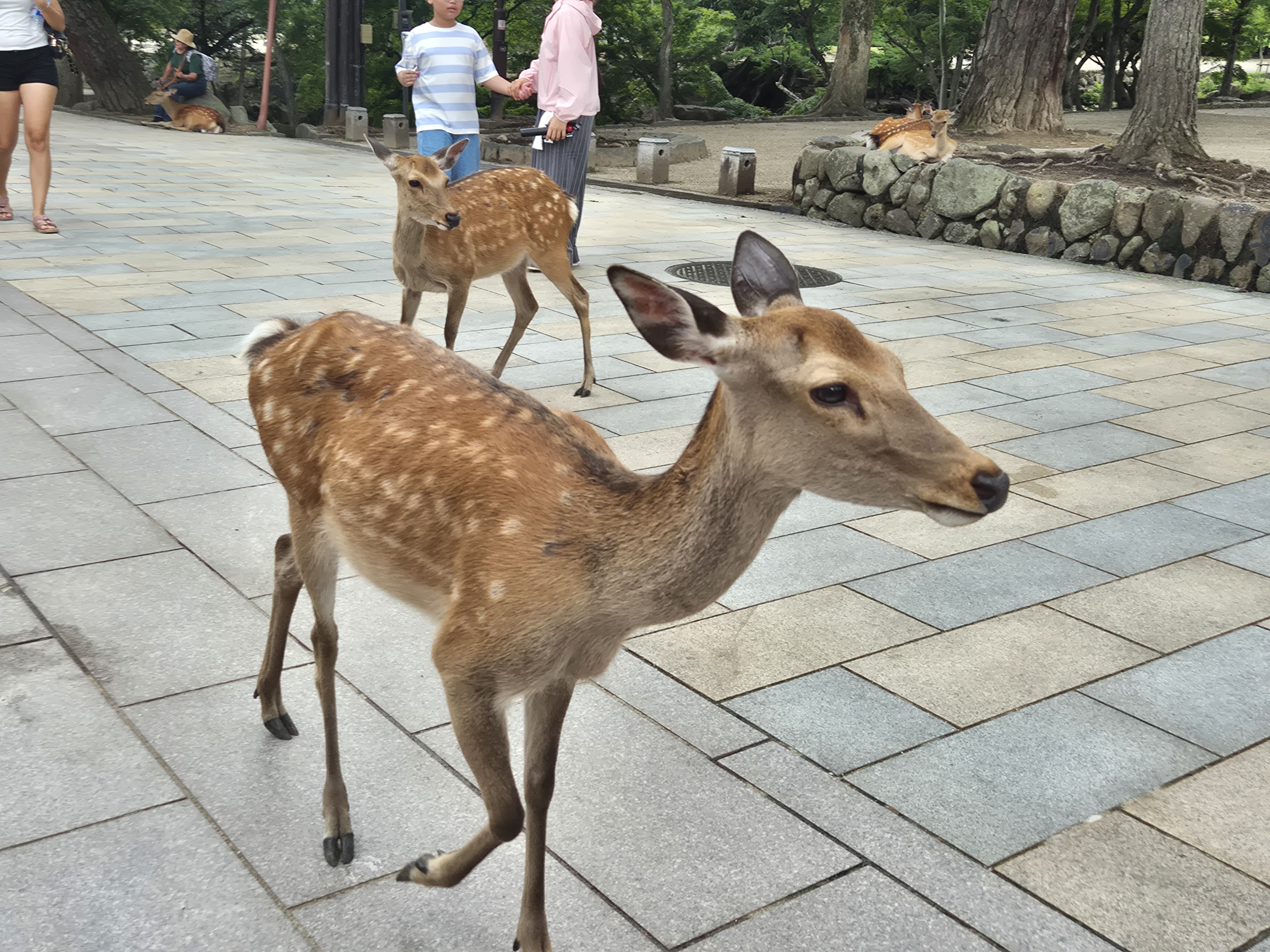
Nara's most iconic and unique attraction is the vast park at the heart of the city, where over a thousand native deer roam freely among people. According to Shinto beliefs, these animals are messengers of the gods of the Kasuga Taisha shrine, and they have been strictly protected for centuries. This is one of the world's oldest and most successful examples of peaceful coexistence between urban environments and wildlife.
Directly behind the shrine rises the Kasugayama Primeval Forest, an untouched green zone where logging and hunting have been strictly prohibited since AD 841. This nature reserve, which has been preserved for over a thousand years, has maintained unique biodiversity on the edge of the modern city and is now a perfect site for sustainable ecotourism and meditative forest walks (Shinrin-yoku).
A Sustainable Destination and Tackling Overtourism
Nara has implemented exemplary strategies to mitigate the negative impacts of mass tourism. While nearby Kyoto often struggles with the challenges of overtourism, Nara promotes the concept of slow travel. The city encourages visitors to stay for more than just a quick day trip, suggesting longer stays in local boutique accommodations and traditional ryokans.
Visitor movement is supported by eco-friendly alternatives: the city centre and parks are best explored on foot or with rentable electric bicycles, reducing reliance on cars and buses. Additionally, feeding the sacred deer is only allowed with locally purchased, all-natural, and packaging-free shika-senbei (deer crackers) made from rice bran and wheat flour, ensuring the animals' health and keeping the park clean.
Traditional Craftsmanship and the Birthplace of Sake
Nara's economy still relies on centuries-old sustainable crafts, which travellers can support to directly benefit local communities.
-
Nara Ink and Brushes: The city is a hub for traditional Japanese ink (sumi) and calligraphy brush production. The ink-making process uses natural soot and plant oils, and the craft has remained unchanged for generations, representing low-impact, eco-friendly craftsmanship.
-
The Birthplace of Japanese Sake: Few know that modern sake brewing techniques originated in the Buddhist temples around Nara. The region's family-owned, small-scale breweries still use pure spring water from the surrounding mountains and chemical-free rice varieties grown by local farmers.
-
Eco-Friendly Textiles: The region is renowned for the traditional Kaya-kiji (mosquito net fabric) technique, which today produces highly durable, absorbent, and 100% biodegradable cotton and linen kitchen textiles and cloths, significantly reducing the use of paper towels in households.
Visiting Nara conveys the fundamental truth that the sustainability of the future often lies in the wisdom of the past: respecting nature and preserving cultural treasures is not a modern expectation but a way of life that has endured for a millennium.
- Editorial Content -
Getting there
- Walk
- Bike
- Electric bicycle
- Railway
- Bus (rented for the trip)
- Bus (rented for the trip)
- Motorcycle
- Car
- Electric car
Arrival
- Walk
- Bike
- Electric bicycle
- Public bus transportation
- Bus (rented for the trip)
- Motorcycle
- Car
Public transport
- railway
- bus