Sevilla
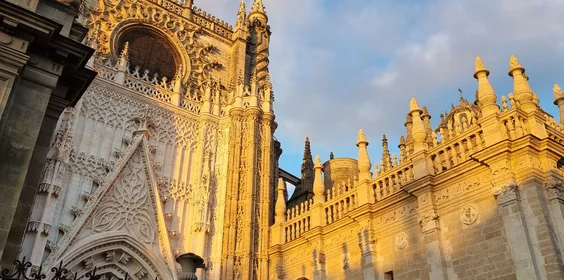
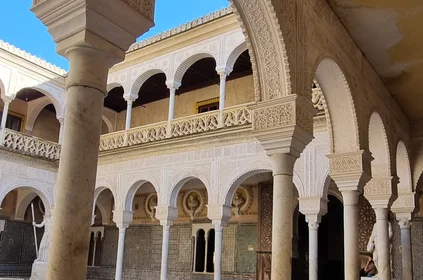
Seville is one of the most unique cities in southern Spain, where centuries of historical heritage meet a vibrant urban culture and consciously developed, modern tourism. The character of the Andalusian capital has been shaped by a blend of Moorish, Jewish, and Christian traditions, which can still be felt in almost every street and square of the city. Among its most famous attractions is one of the world's largest Gothic cathedrals, the Seville Cathedral, whose bell tower, the Giralda, is a symbol of the city. Nearby is the Alcázar Royal Palace, which, with its ornate courtyards, tiled domed rooms, and atmospheric gardens, uniquely preserves the fusion of Islamic and Christian architecture. The narrow streets, whitewashed houses, and shaded squares of the historic Santa Cruz district remain one of Seville's most romantic areas. The promenade along the Guadalquivir River and the modern wooden structure of the Metropol Parasol demonstrate how the city integrates contemporary urban architecture into its historical setting.
The city's vibrant culture is enriched by flamenco music and dance, the world of tapas bars, and traditional celebrations such as the Semana Santa processions or the Feria de Abril fair in April. Seville is not a museum city but a bustling Mediterranean metropolis where tourism is seamlessly integrated into everyday life.
In recent years, Seville has made significant strides towards sustainable tourism. The city has greatly improved its cycling infrastructure: more than a hundred kilometres of dedicated bike paths connect the main attractions and neighbourhoods, allowing visitors to explore the centre without using cars. Public transport has been modernised with low-emission buses, and the network of tram and pedestrian zones has been expanded, particularly in the historic city centre. These measures not only reduce air pollution but also make the inner city areas more liveable for locals.
Managing tourist numbers is also a key objective. Seville is increasingly directing visitors towards less frequented districts and attractions, encouraging longer stays and exploration of the surrounding areas beyond the classic "top spots." Digital information systems and thematic routes help guests navigate the city, while emphasis is placed on protecting cultural heritage and ensuring the sustainable operation of historic buildings.
Supporting local gastronomy is also part of the sustainability efforts: the city runs programmes to encourage restaurants, markets, and hospitality venues to work with local producers, strengthening a cuisine based on regional ingredients and short supply chains. Additionally, several urban greening initiatives have been launched to mitigate summer heat stress and contribute to climate adaptation by creating shaded tree-lined avenues, parks, and community spaces.
Seville's example demonstrates that even an iconic, heavily visited historic city can develop in line with sustainability principles. The preservation of cultural heritage, environmentally friendly transport, support for the local economy, and the conscious shaping of the visitor experience together create a balance that ensures the city remains not only an attractive destination but also a long-term liveable environment for both its residents and visitors.
- editorial content -
Getting there
- Bike
- Electric bicycle
- Railway
- Bus (rented for the trip)
- Bus (rented for the trip)
- Motorcycle
- Car
- Electric car
- Airplane
Arrival
- Walk
- Bike
- Electric bicycle
- Public bus transportation
- Bus (rented for the trip)
- Motorcycle
- Car
Sights, programs
Public transport
- railway
- bus
Parking information
- Paid parking available
- Paid bus parking available
- E-bike charging available
- Electric car charging available (paid)