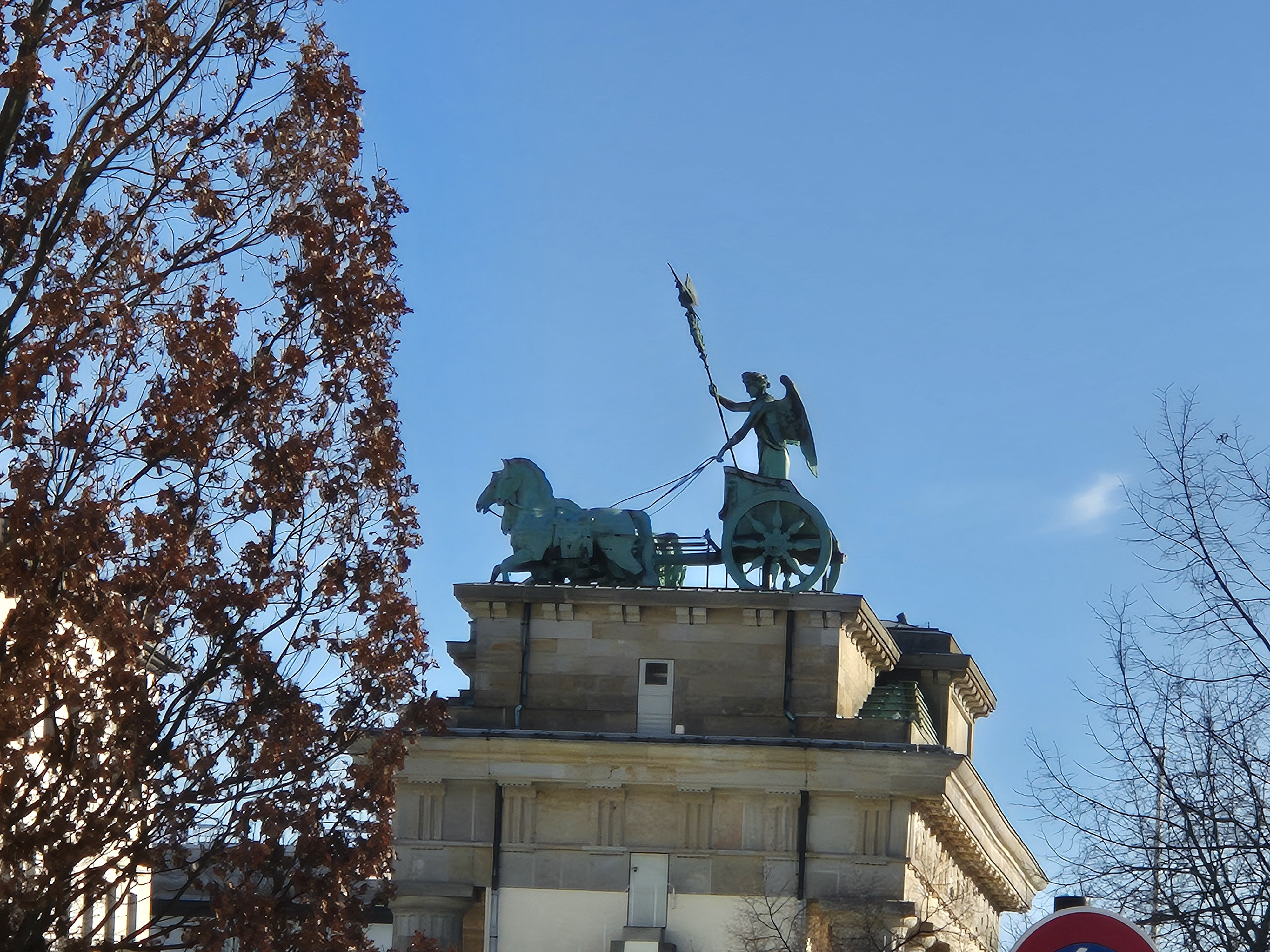
Brandenburg Gate
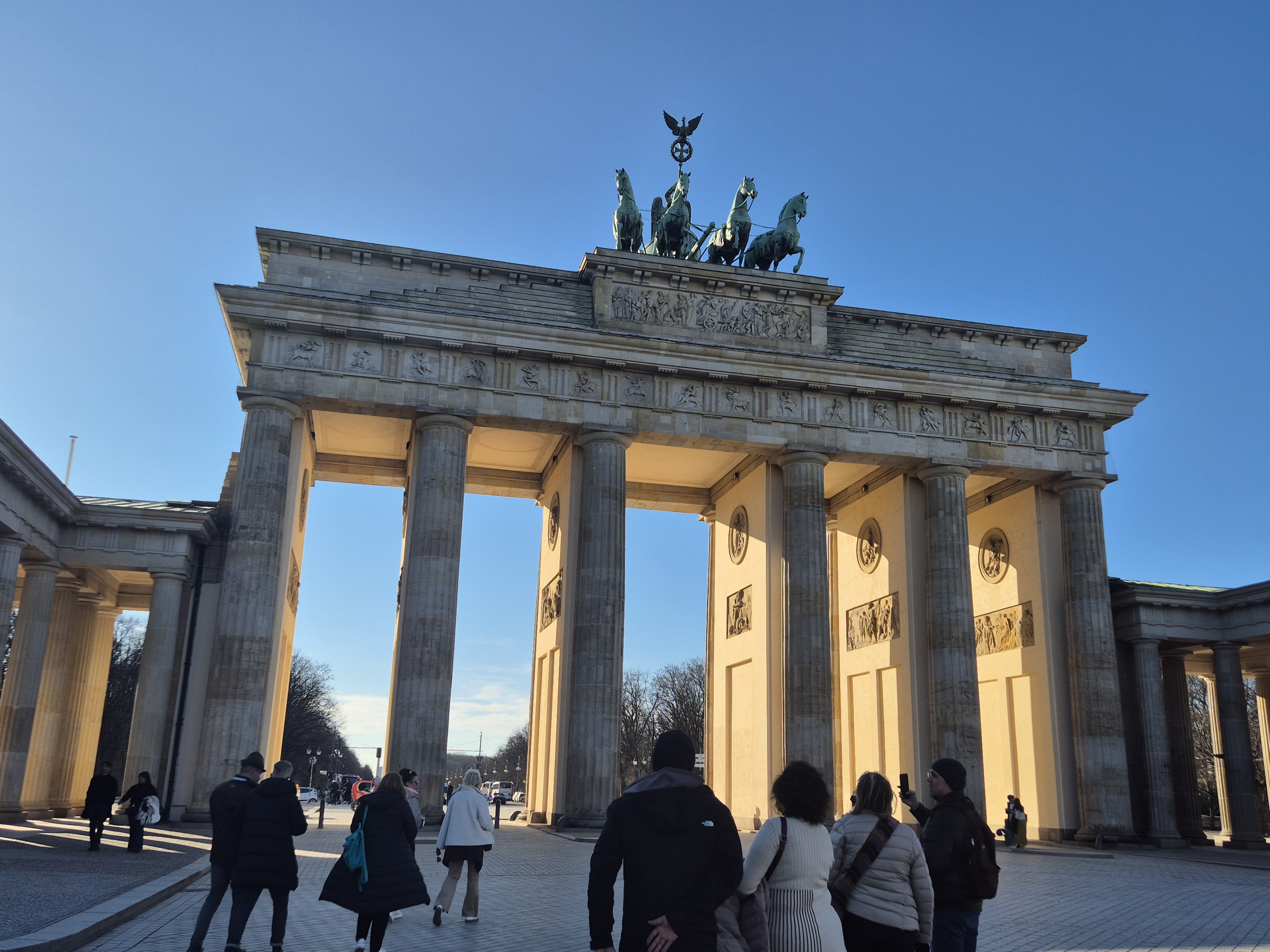
The Brandenburg Gate is one of Berlin's most recognisable landmarks: it serves as a city gate, a historical monument, and a symbol of modern Germany's reunification. It stands on Pariser Platz at the western end of Unter den Linden boulevard, on the axis leading towards Tiergarten. The gate's appearance is iconic both day and night; walking beneath it is a quintessential 'Berlin experience' that requires no entry ticket and fits well into pedestrian sightseeing routes.
Historical Background and Significance
The gate was built in the late 18th century as part of Prussia's grand urban development projects. Originally one of the gates connected to the city wall, it was imbued with strong symbolic and representational roles from the outset, proclaiming power, order, and the city's grandeur. In the early 19th century, during the Napoleonic Wars, the gate's history was marked by these turbulent times; later, as Prussian-German statehood and Berlin developed, it became an increasingly significant national monument.
In the 20th century, the Brandenburg Gate's fate became closely intertwined with Berlin's historical fractures. After World War II, during the city's division, the gate stood near the Berlin Wall in the border zone, with restricted access. In 1989, when the wall fell, the gate became an international symbol of freedom and reunification: its images travelled the world, and it has since been celebrated as an emblematic site of peaceful societal change.

Architecture, Design, and Symbolism
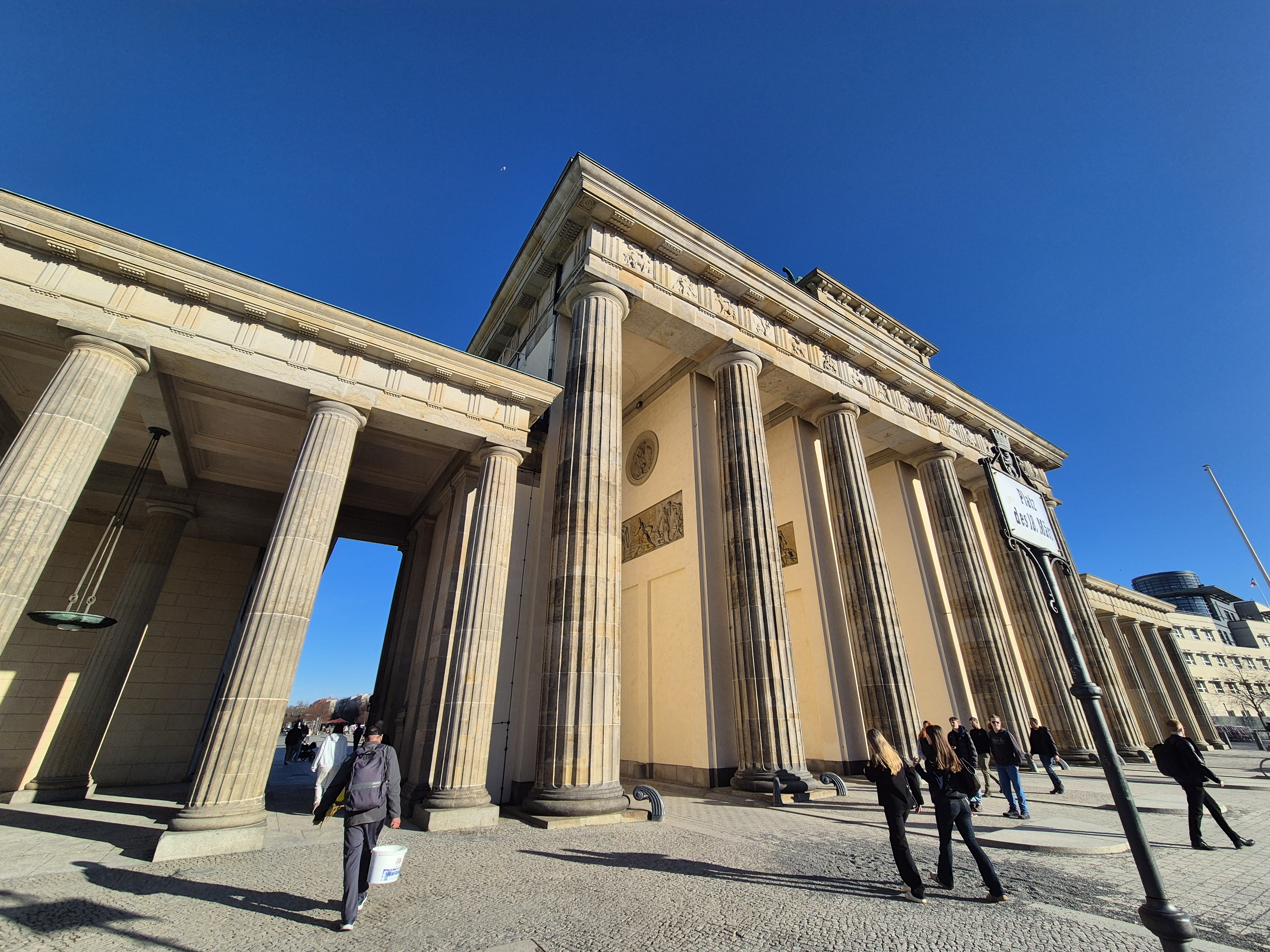
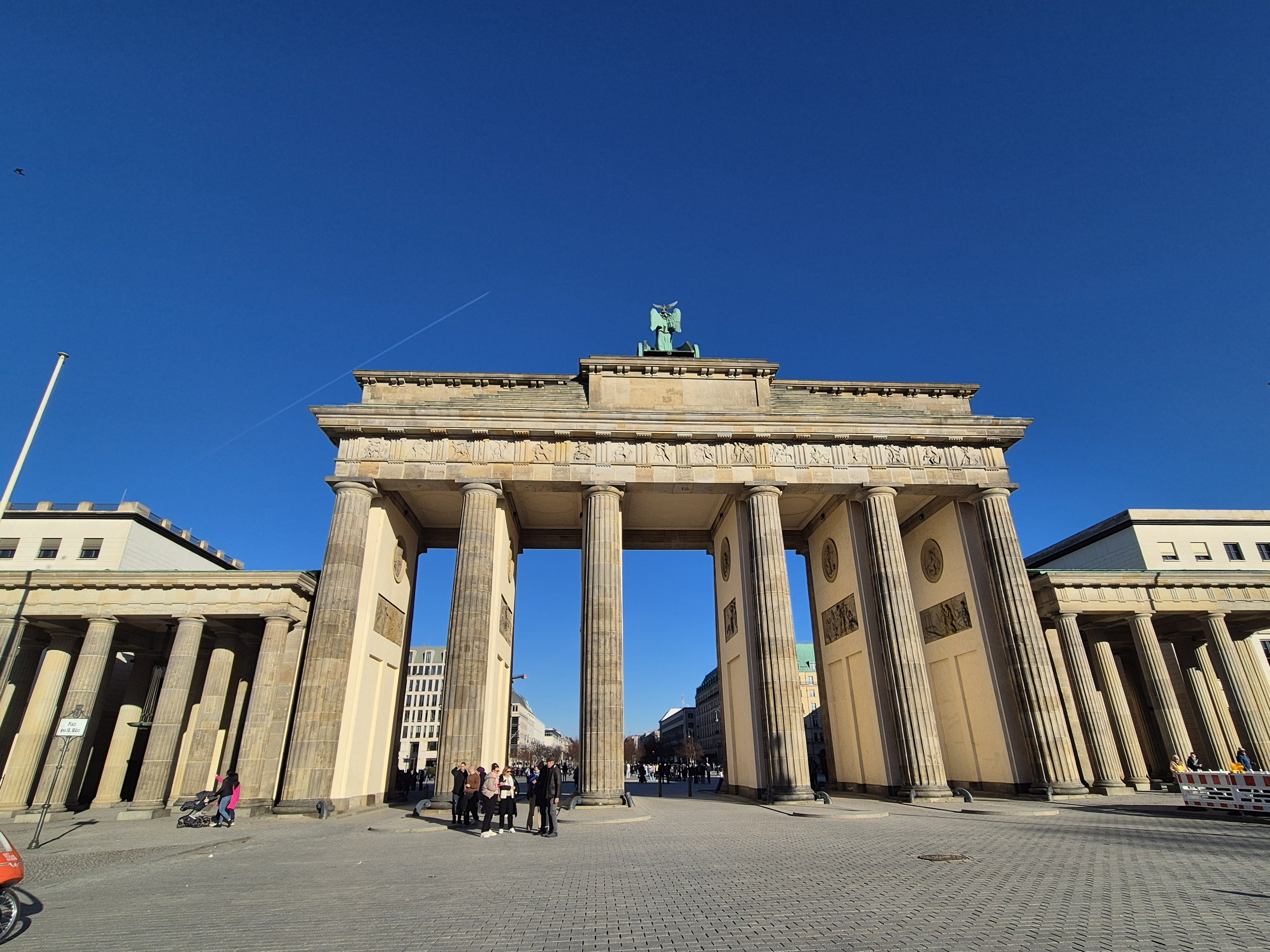
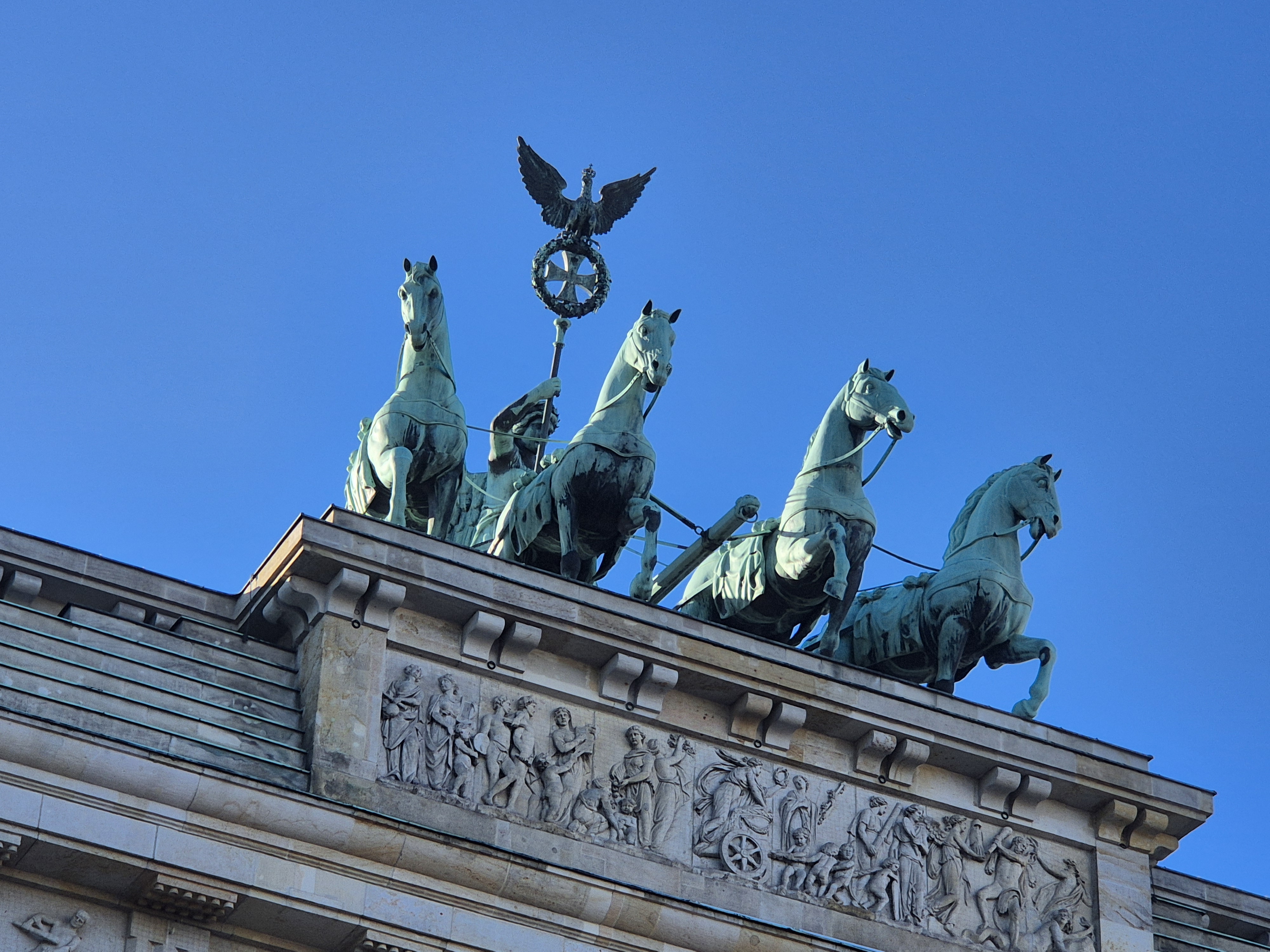
The Brandenburg Gate is a neoclassical masterpiece, one of the most outstanding examples of the era's European architecture inspired by antiquity. Its most striking features are the Doric columns and the five passageways, with the central corridor historically reserved for special use. The quadriga atop the gate—a chariot drawn by four horses—symbolises victory and urban representation, led by a symbolic female figure. This composition has become one of Berlin's most recognisable visual motifs.
The gate's proportions and details strike a balance between grandeur and being 'photo-friendly': the open space of Pariser Platz, the tree-lined Unter den Linden, and the nearby green areas of Tiergarten together create the urban setting in which the monument truly shines.

The Visitor Experience – What to Know
The Brandenburg Gate is an outdoor monument best enjoyed by walking around it and passing underneath. The site is busy year-round, especially on weekends, public holidays, and during the summer season. For photography, early mornings or late evenings offer the best light and fewer crowds.
The square and the gate's surroundings often host city events, commemorations, and cultural activities; during these times, traffic management and possible security closures may affect access. Thus, the gate is not just a 'sight' but an active urban public space whose atmosphere constantly evolves with ongoing events.
Sustainable Tourism and the Brandenburg Gate
The gate is well-integrated into Berlin's public transport network, making it highly recommended to arrive by public transport, on foot, or by bicycle. The area is pedestrian-friendly and can be combined with other central attractions, allowing multiple highlights to be visited in a single, compact walk. This reduces the environmental impact of intra-city travel and helps alleviate congestion.
Managing Crowds and Off-Peak Visits
One of the simplest ways to practise sustainable city tourism is through mindful timing. Visiting the Brandenburg Gate outside peak hours (early morning, late evening, or weekday mornings) is not only more pleasant but also helps reduce strain on the site. For group visits, disciplined, swift passage and smartly chosen meeting points are crucial to prevent overcrowding of the space.
Heritage Preservation and On-Site Etiquette
In a heritage setting, 'invisible sustainability' depends on visitor behaviour. This includes respectful photography, maintaining cleanliness, avoiding loud or disruptive activities, and ensuring that visitors do not unnecessarily burden the monument and its immediate surroundings. An iconic site remains liveable and enjoyable in the long term when tourists treat it as a shared public space, just as locals do.
Local Economy and Responsible Spending
The area around the Brandenburg Gate is a highly frequented tourist zone, so it is worth consciously choosing service providers that offer local values, quality services, and, where possible, sustainable operations. Responsible spending directly benefits the city and reduces the risk of the area becoming solely a 'tourist zone.'
Nearby Attractions and Suggested Routes
Several key sites are within a short walking distance of the gate: the Reichstag and government district, the green spaces of Tiergarten, and the Unter den Linden axis, which connects a series of cultural and historical landmarks. It is worth planning a route that balances busy iconic spots with quieter parks or museum locations—this enhances the visitor experience while reducing overcrowding.
Target group
-
Class trips
-
Families with younger children
-
Families with older children
-
Multigenerational programs
-
Friends
-
Seniors
-
Couples