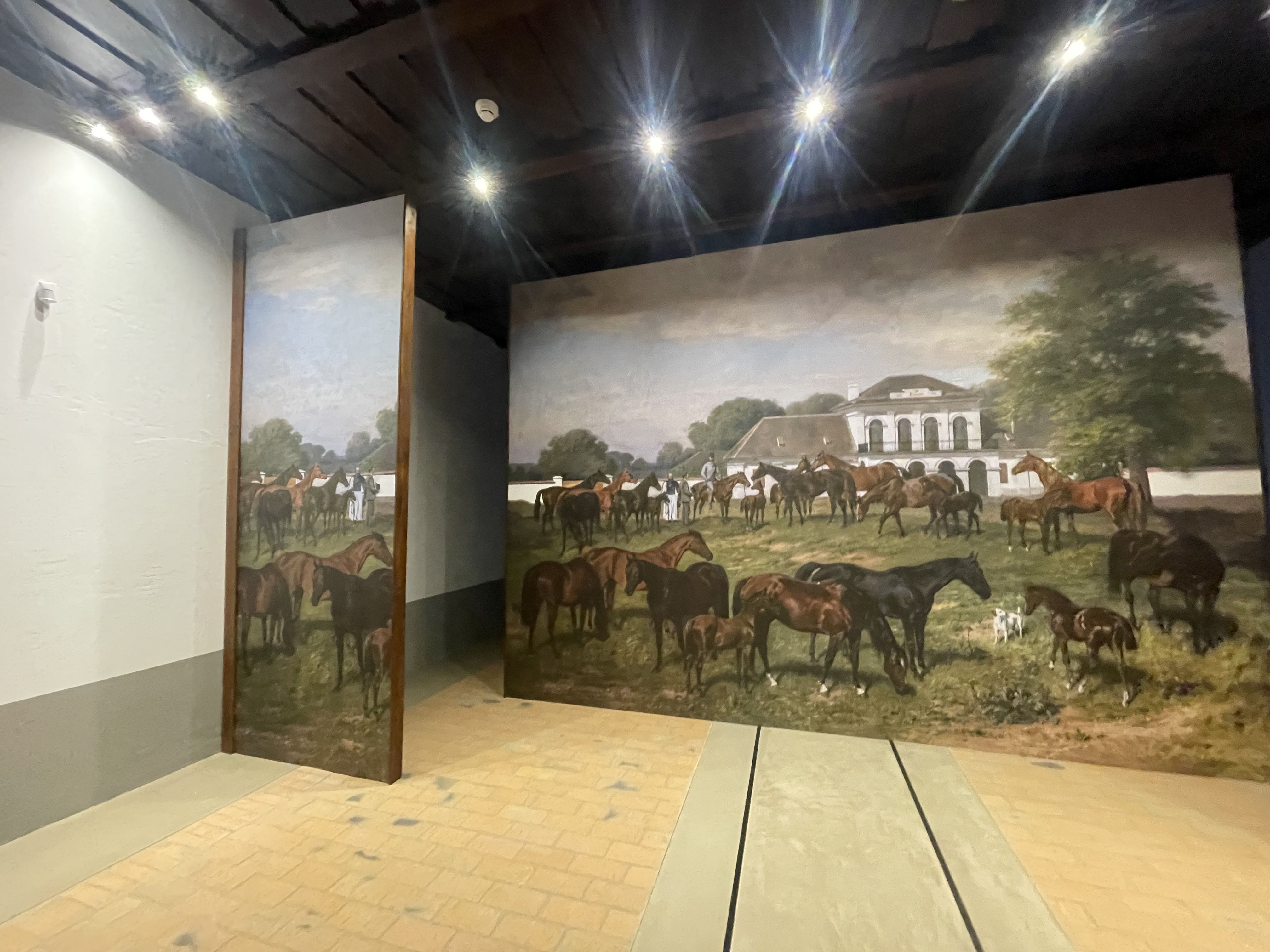

Fenékpusztai Estate
The Fenékpusztai Estate is an experience and cultural centre established on the site of a historically significant 19th-century Festetics stud farm, located just 6 km from Keszthely. The estate was purchased by the Festetics family in 1739 and soon became one of the region's prominent centres for Hungarian horse breeding and equestrian sports. The estate played a key role in the development of domestic racehorse breeding, and the horses bred here gained international fame during the Austro-Hungarian Monarchy.
- SZÉP card accepted
- Cash
- Bank card accepted
The estate buildings — the small manor house, stables, Calf and Herd Stables — were constructed at the turn of the 19th and 20th centuries, and the estate operated as an agricultural unit for several decades. Horse breeding continued until 1938, after which industrial and agricultural uses (e.g., a hemp factory, cooperative farm) followed one another, leading to the site’s neglect for a long period.
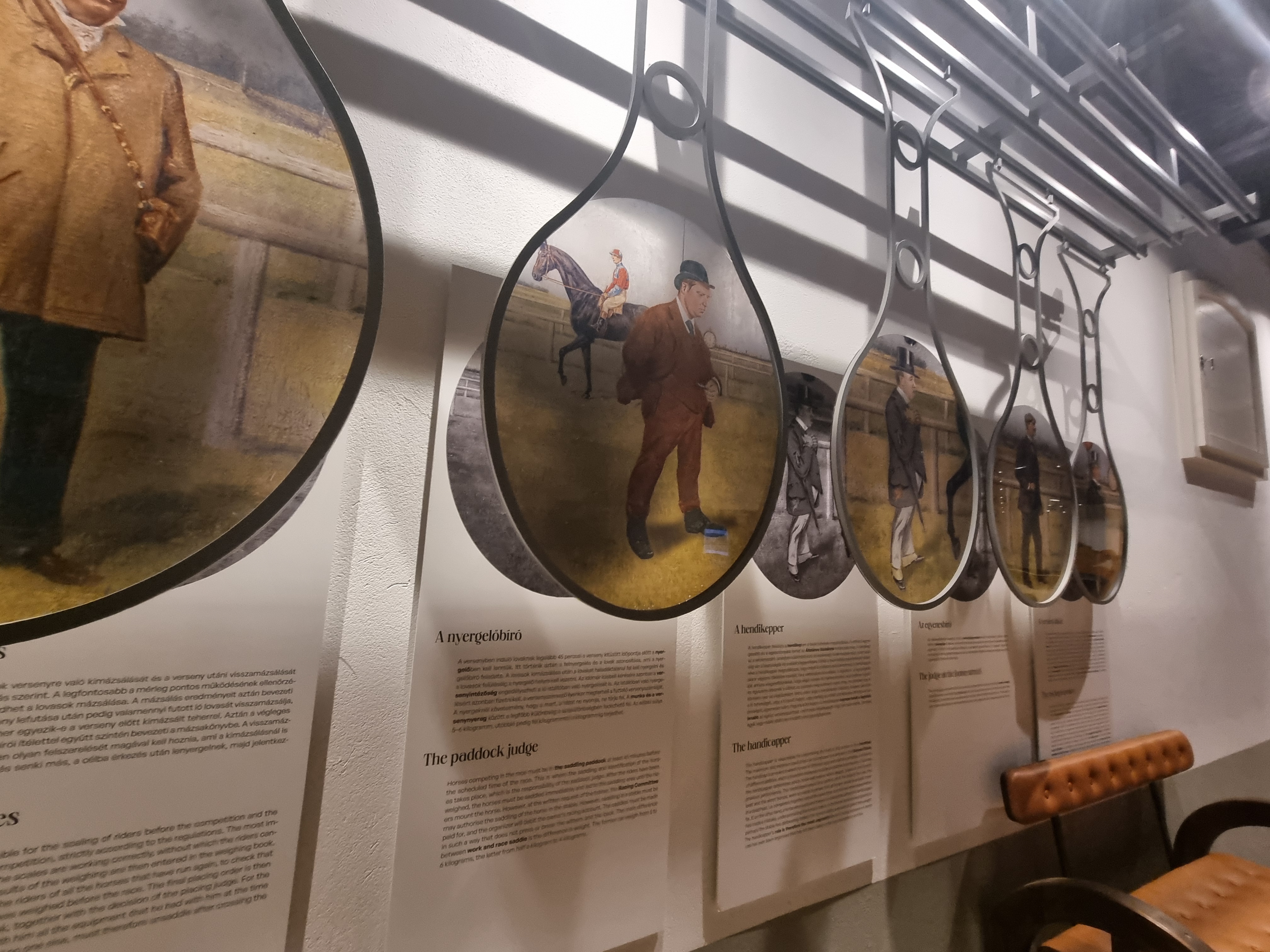
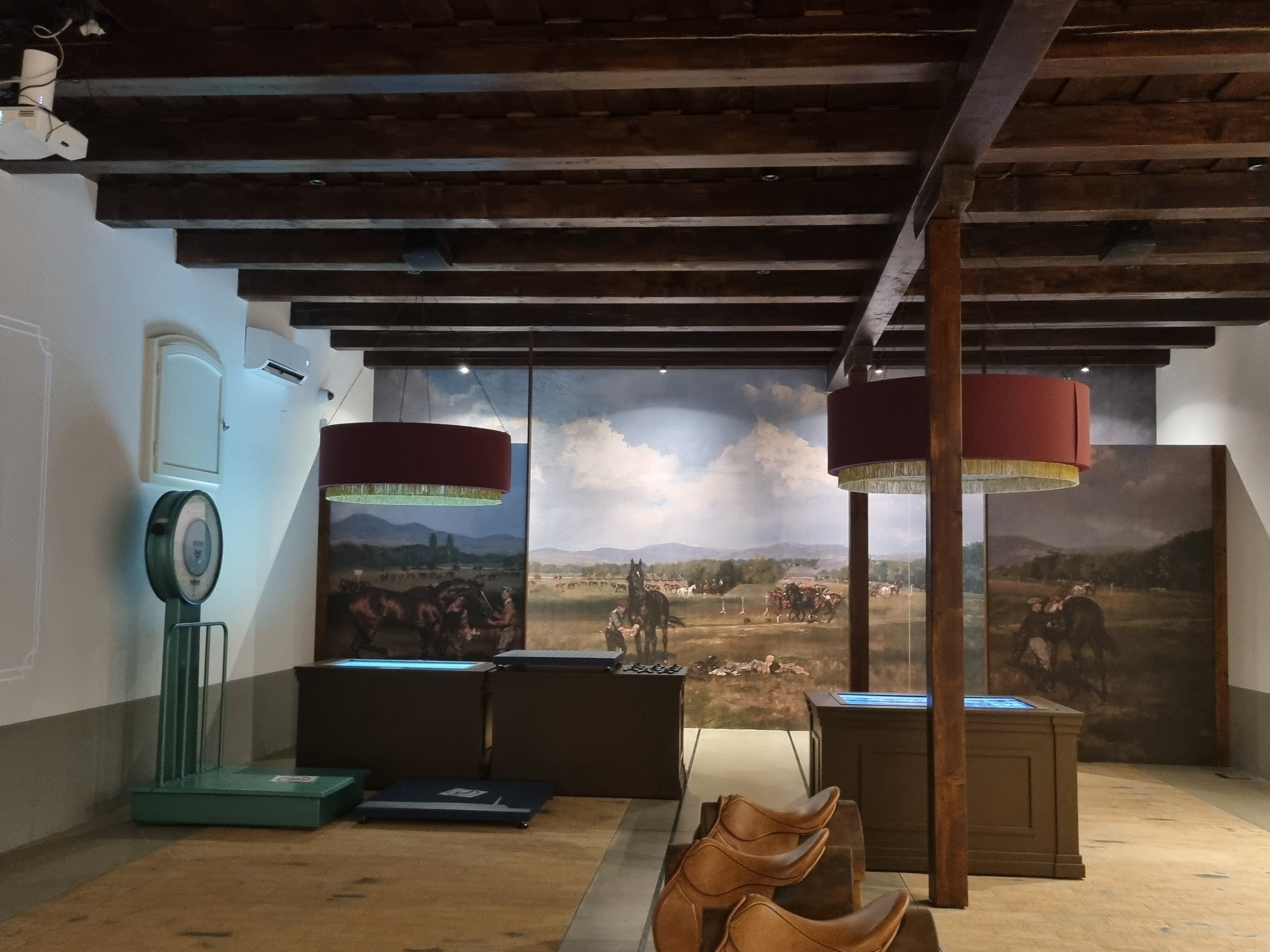
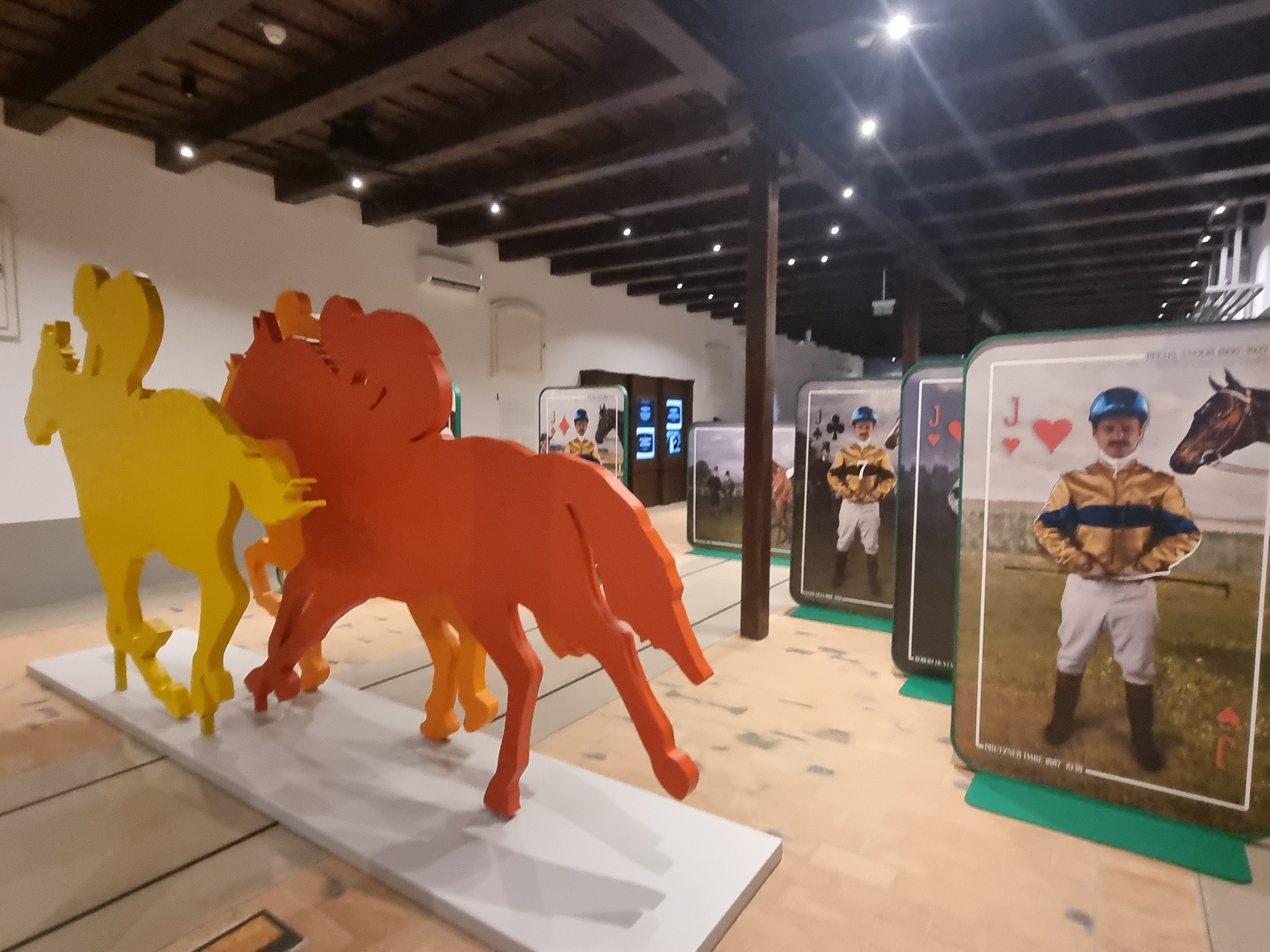
The current exhibition space opened at the end of 2023. As a result, interactive exhibitions, event spaces, and community areas have been made available to visitors, where they can explore the history of the Festetics family and horse breeding, as well as the site’s former economic, social, and sporting life in an authentic historical setting.
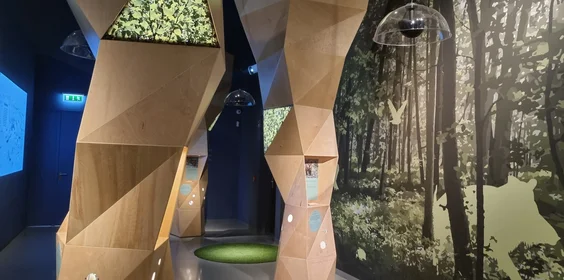
On the ground floor of the small manor house, a permanent exhibition showcases the connection between the Festetics family and horse breeding, while the upper floor features the "Count’s Room," displaying portraits of several generations of the family. The Calf and Herd Stables house interactive exhibitions and museum spaces, bringing to life the history of horse racing and the estate’s past. Additionally, the complex includes a multifunctional community space, cultural programmes, events, a horse camp area, and a café, offering enriching experiences for families, school groups, and individual visitors alike.
The history of the estate
The estate was once a base for the Spanish Riding School of the Viennese court. The Festetics family purchased the land in 1739 with the aim of establishing a stud farm of European renown. The estate’s golden age was at the turn of the 18th and 19th centuries, during the time of Count Tasziló II Festetics: it was then that the stables and servant quarters were built, and by 1820, the small manor house, still visible today, was completed. In 1894, the Pine Avenue was created, allowing the Festetics family to travel directly by carriage from their Keszthely castle to the small manor house at Fenékpuszta. Horse breeding continued on the estate until 1938, after which industrial and agricultural activities took over, including a flax mill, hemp factory, and later a cooperative farm.

The Festetics Route – historic estates and cultural landmarks in the Keszthely region
The Fenékpuszta Estate is one of the key stops on the Festetics Route, a cultural-tourism network that weaves together the Festetics family’s estates and heritage sites in Transdanubia into a unified narrative. At the heart of the route is the Keszthely castle and its associated economic, educational, and recreational sites, showcasing a complex estate system where aristocratic representation, modern farming, and knowledge-based development were closely intertwined. Within this system, the Fenékpuszta estate stands out as a significant site for practical agricultural operations and horse breeding, complementing the aristocratic world tied to the castles. The Festetics Route thus connects not isolated attractions but a historically authentic, spatially traversable heritage network, offering visitors a comprehensive view of the family’s cultural, economic, and societal influence across generations.

Sustainable visits to the Fenékpuszta Estate – responsible travel in the western Balaton region
Visiting the Fenékpuszta Estate aligns well with the sustainable tourism principles of the Balaton region. The site is easily accessible by bicycle via the BalatonBike365 network, which offers well-signposted and safe routes around Lake Balaton, making cycling both an environmentally friendly and enjoyable option.
If you do arrive by car, it’s worth combining a visit to the estate with nearby attractions to reduce the number of trips and your ecological footprint. It pairs well with the Kis-Balaton Visitor Centre, as well as the museums, exhibitions, and historic districts of Keszthely. On-site water bottle refilling is available, and the visitor experience encourages conscious resource use and responsible, "slower" exploration.
- editorial content -

Target group
-
Class trips
-
Families with younger children
-
Families with older children
-
Friends
-
Seniors
-
Couples
Other services
Sights, programs
All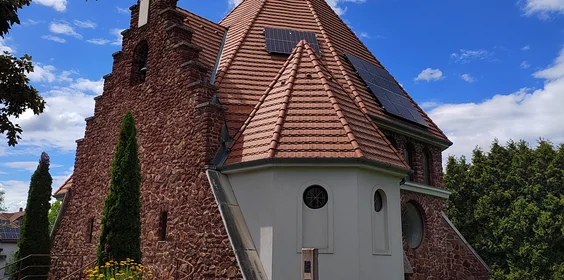
Sustainability status report
The values shown here come from I-DEST's internal self-assessment system, which shows the progress of a service provider or location in various areas of sustainability. These are not rating scores, but rather informative feedback to support improvement. Food and products
 Caring for people
 Decent employment
 Pollution reduction
 Caring for the climate
 Waste reduction
 Caring for water
 Caring for nature
 Caring for culture
 Management and information