Eat Local! The Tastiest Side of Sustainability Lies in Local Flavours
During our travels, the deepest cultural experiences often come not from museums but from what's on our plates. One of the most enjoyable and easiest steps towards sustainable tourism is conscious gastronomy. By choosing local farmers' markets, family-run eateries, and regional wineries over imported ingredients and global fast-food chains, you directly support the local community. Plus, your food hasn’t travelled halfway around the world to reach your plate, keeping your ecological footprint minimal. It’s a true win-win situation, which we’ll also celebrate in our upcoming stamp-collecting game.
How to Become a Conscious Gastro-Traveller – Tips for Green Culinary Adventures
The first golden rule of sustainable gastronomy is to fully embrace seasonality. When you arrive at a new destination, make your first stop the local farmers' market. Strolling among fresh fruits, artisan cheeses, and local specialities, you not only get the purest flavours but also directly support the farmers. Markets also offer the chance to shop without packaging, allowing you to tick off both waste reduction and supporting the local economy in one go.
Next, consciously avoid tourist traps and international fast-food chains. Instead, observe where locals go to eat after work! A hidden family-run restaurant, a cosy osteria, or a diner preserving traditional recipes is not only a more sustainable choice but also offers personal stories and genuine hospitality that no luxury restaurant can replicate. If possible, opt for plant-based local dishes and always ask for fresh, filtered tap water instead of bottled mineral water, further reducing the environmental impact of your travels.
Top I-DEST Gastro-Destinations Where the Experience Begins on the Plate
Miskolc, Hungary – The “Edible Forest” Project and the Treasures of the Bükk
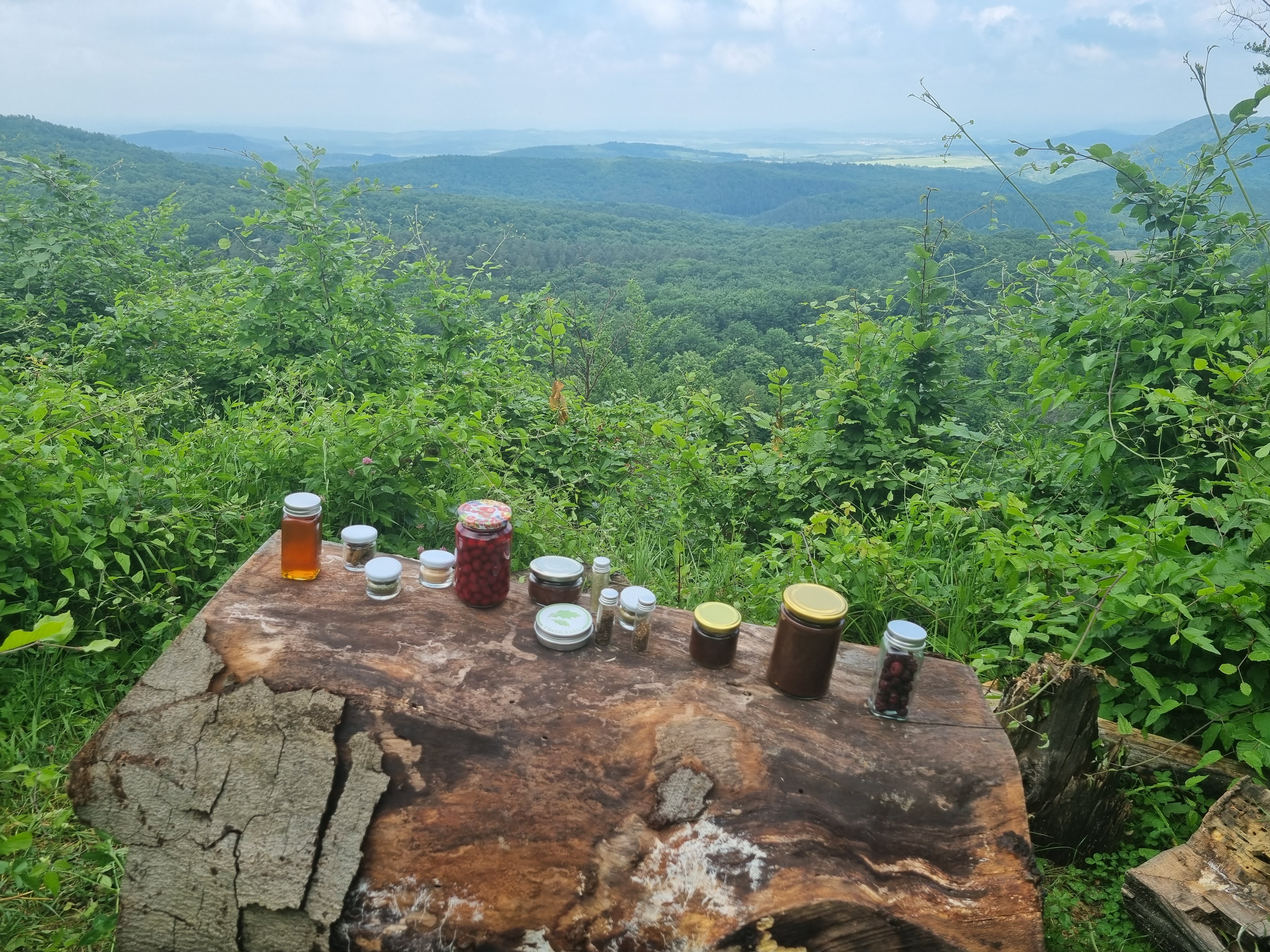
Miskolc and the Bükk region are among the most exciting domestic examples of I-DEST, where sustainable tourism comes to life amidst nature. The “Edible Forest” project operating in the area perfectly demonstrates how to responsibly and respectfully utilise the treasures of the wild. On guided tours, visitors can learn about safely edible forest mushrooms, wild plants, wild garlic varieties, and herbs. The zero-kilometre ingredients gathered this way, along with local honey and syrups from small producers, not only bring the richness of the Bükk forests to our plates but also teach us to protect and respect the ecosystems around us.
Hargita County, Transylvania – Europe’s Gastronomic Region 2027
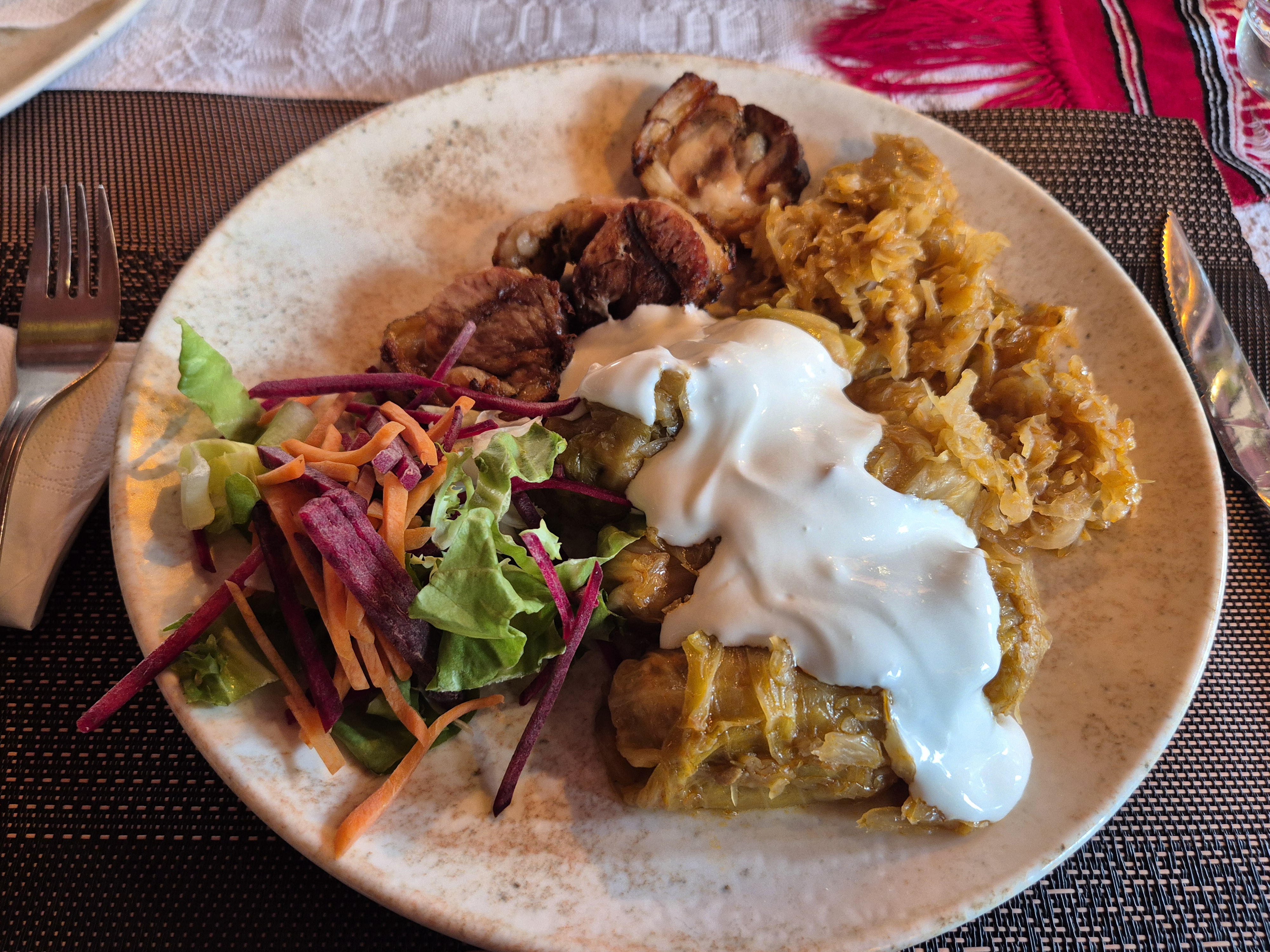
In Hargita County, the culture of small-scale farming and self-sufficiency remains a part of everyday life. This stunning region has received significant international recognition: it has been officially announced that in 2027, Hargita County (as part of the Székelyföld consortium) will proudly hold the title of Europe’s Gastronomic Region! In the family guesthouses and markets here, you can taste alpine honeys, fresh shepherd’s cheeses, and homemade potato bread, with ingredients sourced almost exclusively from within the village boundaries. As an I-DEST traveller, you can directly experience how preserving traditions becomes the future of sustainable tourism.
Naples and Ischia, Italy – The Cradle of Slow Food and Volcanic Flavours

If you’re heading to southern Italy, Naples and the neighbouring island of Ischia are true havens of sustainable gastronomy. In Naples, pizza is not just food but part of UNESCO’s intangible heritage, made with local San Marzano tomatoes and buffalo mozzarella from the Campania region. On the volcanic island of Ischia, the slow food ethos blends with mainland traditions: the island’s famous rabbit dish (Coniglio all'Ischitana) and terraced, locally produced volcanic wines are perfect examples of how tourists’ money can stay within small family-run micro-economies.
Kyoto, Japan – The Art of Washoku and Seasonality

In the Far East, Kyoto’s historic landscapes offer a stunning example of Washoku, the traditional Japanese cuisine, which is also part of UNESCO’s world heritage. The Japanese have mastered the art of respecting nature and seasonality. Kyoto is renowned for its Buddhist cuisine (Shojin Ryori) based on local vegetables, as well as fresh dishes sourced from nearby rivers. Visiting the historic Nishiki market and dining in local small eateries not only saves the planet from unnecessary transportation emissions but also brings you closer to the pure essence of Japanese culture.
Lendava and Murska Sobota Region, Slovenia – Muravidék’s Sustainable Wines and Slow Food Culture
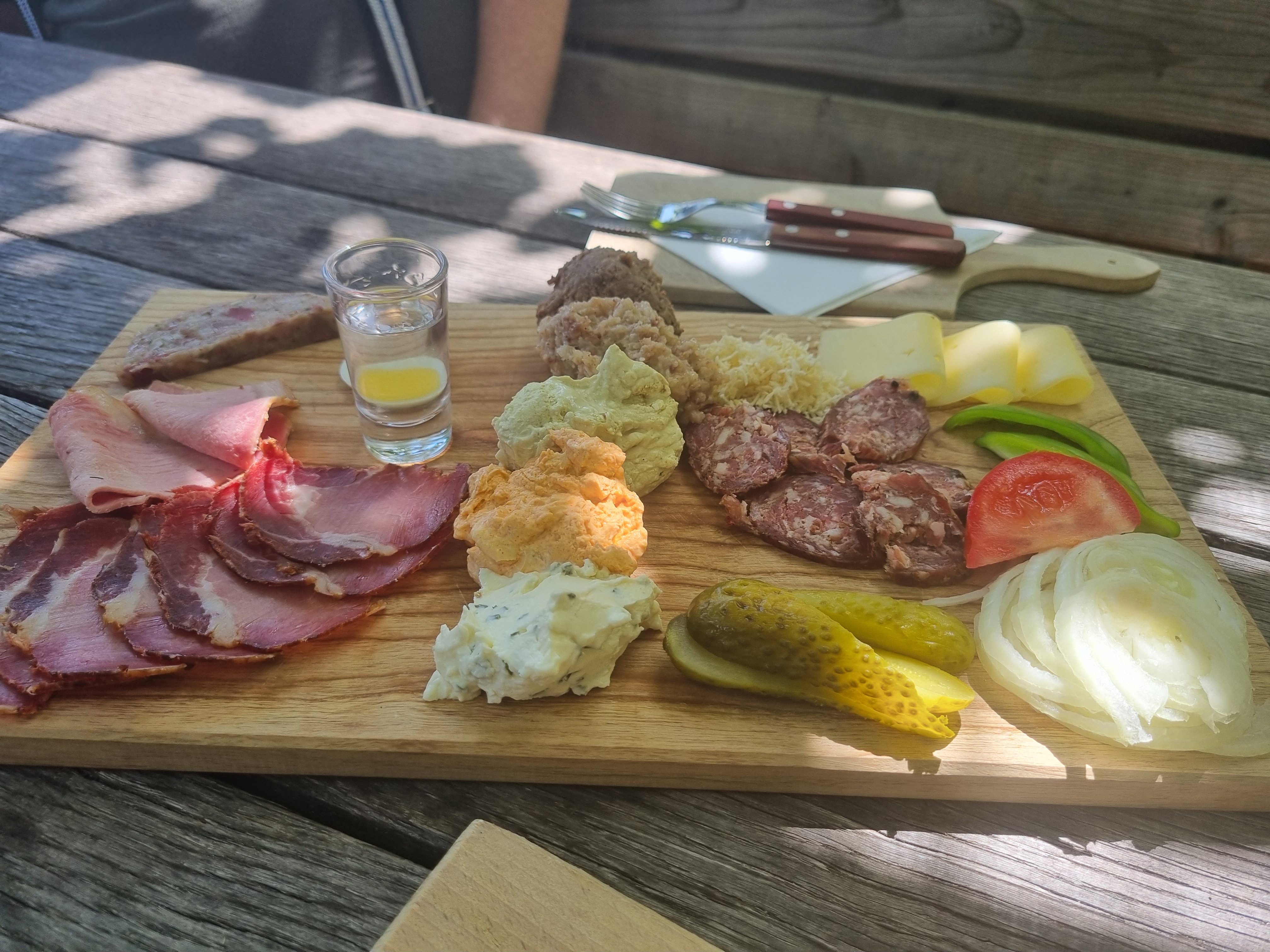
Slovenia’s Muravidék region is a gem of sustainable agro-tourism and cross-border gastronomy. The area around Lendava and Murska Sobota is famous for its biodynamic, family-run wineries, where grapes are cultivated almost chemical-free and in perfect harmony with nature along the famous Lendava wine route. The region’s cuisine is a brilliant fusion of Slovenian and Hungarian traditions: salads drizzled with local pumpkin seed oil, traditional Muravidék gibanica, and dishes made from local buckwheat and spelt all convey the authentic flavours of the land. As an I-DEST traveller, you’re guaranteed to discover family wineries and small producers where hospitality truly revolves around preserving the local community.
More News
All-
7 Mins

Read -
3 Mins

Read -
4 Mins

Read -
3 Mins

Read -
3 Mins

Read -
3 Mins
Read -
12 Mins

Read -
4 Mins
Read -
4 Mins

Read -
4 Mins

Read -
4 Mins

Read -
5 Mins

Read -
4 Mins

Read -
3 Mins

Read -
8 Mins

Read -
4 Mins
Read -
6 Mins
Read -
4 Mins

Read -
5 Mins

Read -
6 Mins

Read -
5 Mins

Read -
3 Mins

Read -
7 Mins

Read -
7 Mins

Read -
5 Mins

Read -
6 Mins

Read -
6 Mins

Read -
3 Mins

Read -
3 Mins

Read -
10 Mins

Read -
6 Mins

Read -
5 Mins

Read -
4 Mins

Read -
5 Mins

Read -
4 Mins

Read -
6 Mins

Read -
7 Mins

Read -
5 Mins

Read -
3 Mins

Read -
4 Mins

Read -
4 Mins

Read -
4 Mins

Read -
6 Mins

Read -
3 Mins

Read -
1 Mins

Read -
2 Mins

Read -
2 Mins

Read -
3 Mins

Read -
3 Mins

Read