Green Splash: How to Swim Ethically and Sustainably in Natural Waters
On a hot summer day, there’s nothing better than cooling off outdoors. Whether it’s a peaceful alpine lake, a majestic river, or a tropical beach, natural waters around the world provide the perfect refuge for travellers. However, while we recharge, our presence can place a significant burden on these fragile ecosystems. In line with global sustainability efforts, it’s time to raise the bar when it comes to enjoying the beach. Following the ethos of the I-DEST international platform, we’ve gathered tips on how we can ensure our swimming adventures leave no negative trace on nature.
The Invisible Pollution: Why Does Sunscreen Choice Matter?

The first and one of the most important steps towards sustainable swimming happens even before you put on your swimsuit. When we apply sunscreen and then dive into the water, some of the cream washes off. Chemicals found in traditional sunscreens – such as oxybenzone and octinoxate – are highly toxic to aquatic life. In seas and oceans, these ingredients contribute to coral reef destruction and bleaching, while in freshwater systems like lakes and rivers, they severely harm fish and amphibians.
What can we do about this? Look for products with physical (mineral) filters that are biodegradable and certified as "ocean-friendly" or "reef-safe." These are zinc oxide or titanium dioxide-based, do not absorb into aquatic organisms, and are just as effective at protecting against sunburn. Additionally, a good strategy is to wear UV-protective swim shirts and hats during peak sunlight hours, reducing the amount of sunscreen needed on your skin.
Being a Guest in Wildlife Habitats: Respecting Coastal Zones and Marine Ecosystems

Natural waters are not swimming pools; they are living, functioning ecosystems where humans are merely temporary guests. Coastal sand dunes, mangrove forests, lakeside reed beds, and river floodplains provide a cradle and refuge for thousands of animal and plant species. Moreover, coastal vegetation acts as the "lungs" of these waters, filtering pollutants and preventing shoreline erosion.
To swim ethically, always use designated access points and piers to approach the water. Trampling protected dunes or cutting through shallow, sensitive bays with kayaks or paddleboards can cause irreparable damage to nesting birds and spawning fish. If you’re seeking a more remote area, maintain a respectful distance from wildlife, avoid making noise, and remember that nature is the home of the species living there.
The Wind Carries It All: Zero Waste on the Shore and in the Water
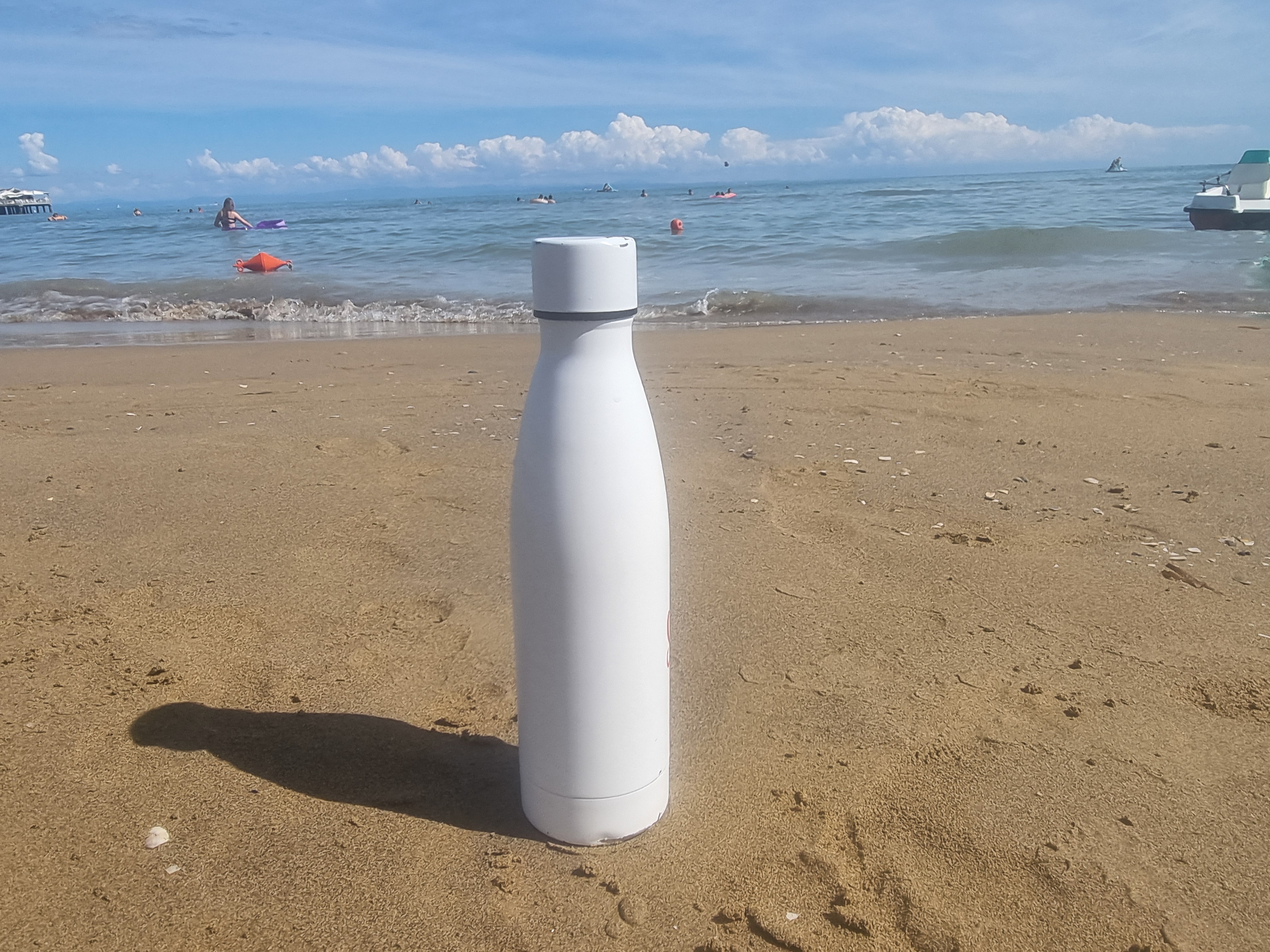
Plastic pollution is one of the greatest environmental disasters facing our planet. Disposable cups, food containers, bags, and straws carelessly left on the shore can easily be swept into the water by the slightest breeze. Once there, waves and sunlight break them down into tiny pieces (microplastics), which aquatic creatures mistake for food, leading to their demise.
The essentials for a mindful beachgoer include a reusable water bottle, a foldable canvas or beach bag, and reusable food containers. Say no to single-use plastic items at waterfront kiosks! Pay special attention to cigarette butts: the nicotine and heavy metals leaching from a single discarded butt can poison hundreds of litres of water. Whatever you bring to the shore, make sure to take it all back with you. If there’s no nearby recycling bin or it’s overflowing, take your rubbish with you and dispose of it at your accommodation.
Spatial and Temporal Awareness: Avoiding Overcrowded Hotspots
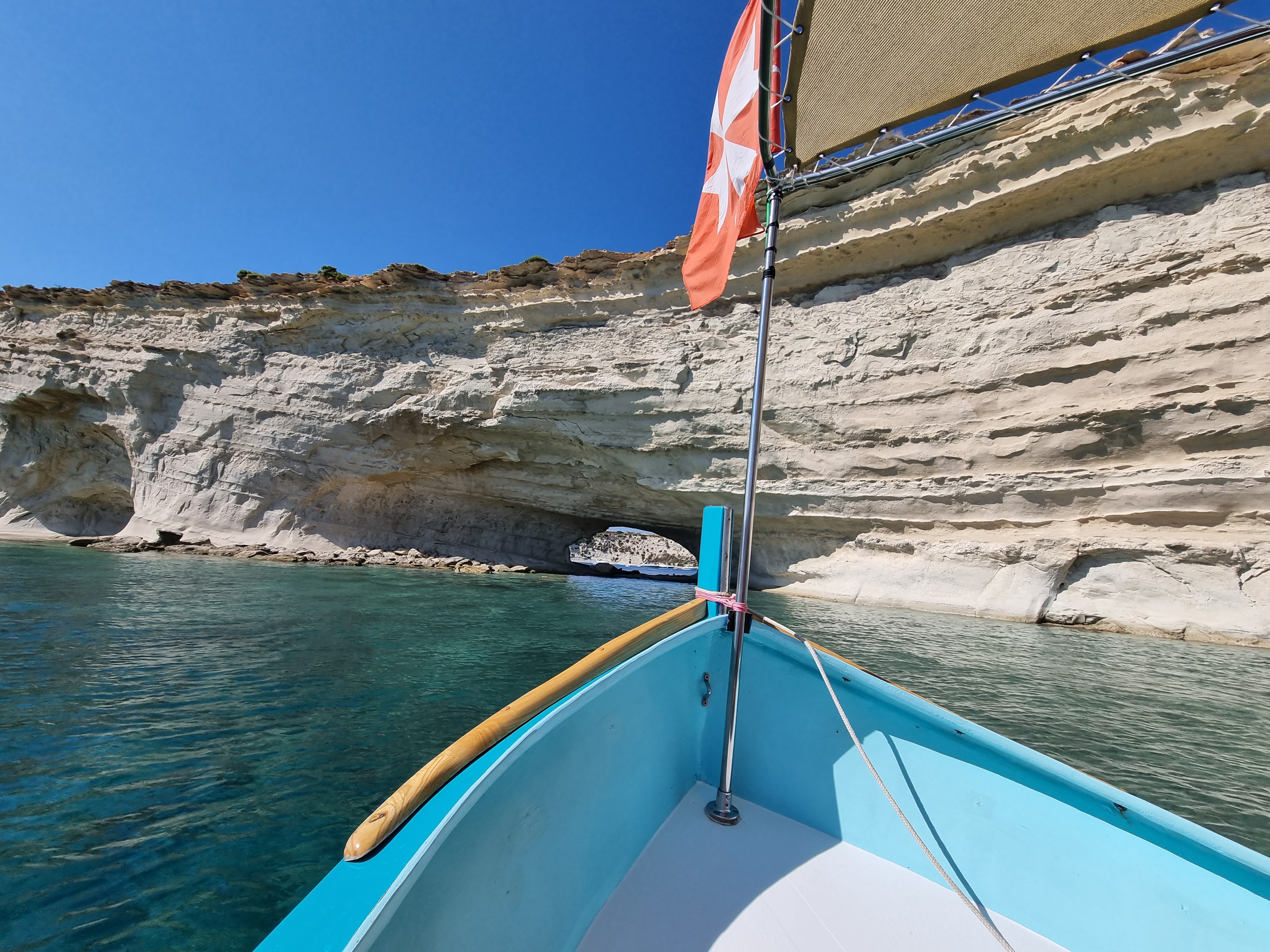
Sustainability also has a global tourism management aspect, referred to as "spatial and temporal sustainability." When tens of thousands of people flock to the world’s most popular beaches or lakeshores during peak season, local infrastructure (sewage systems, water supply, and waste management) becomes overwhelmed. This puts immense strain on the local environment, diminishes the quality of life for residents, and creates a stressful, unenjoyable experience for travellers.
If possible, plan your waterfront getaway during the shoulder seasons (e.g., spring or autumn, depending on the destination’s climate). The weather is often more pleasant, the crowds are manageable, and ecosystems have time to recover. Be open to exploring less famous spots: instead of overcrowded, world-renowned hubs, look for smaller, community-based, sustainable destinations. The I-DEST platform’s international database and dashboards are designed to help you find verified green locations and businesses worldwide that are committed to protecting our planet.
More News
All-
7 Mins

Read -
5 Mins

Read -
3 Mins

Read -
4 Mins

Read -
3 Mins

Read -
3 Mins

Read -
3 Mins

Read -
12 Mins

Read -
4 Mins
Read -
4 Mins

Read -
4 Mins

Read -
5 Mins

Read -
4 Mins

Read -
3 Mins

Read -
8 Mins

Read -
4 Mins
Read -
6 Mins

Read -
4 Mins

Read -
5 Mins

Read -
6 Mins

Read -
5 Mins

Read -
3 Mins

Read -
7 Mins

Read -
7 Mins

Read -
5 Mins

Read -
6 Mins

Read -
6 Mins

Read -
3 Mins

Read -
3 Mins

Read -
10 Mins

Read -
6 Mins

Read -
5 Mins

Read -
4 Mins

Read -
5 Mins

Read -
4 Mins

Read -
6 Mins

Read -
7 Mins

Read -
5 Mins

Read -
3 Mins

Read -
4 Mins

Read -
4 Mins

Read -
4 Mins

Read -
6 Mins

Read -
3 Mins

Read -
1 Mins

Read -
2 Mins

Read -
2 Mins

Read -
3 Mins

Read -
3 Mins

Read