Passport to Change: How Can We Fight Poverty as Travellers? (Sustainable Development Goal 1)
When we talk about sustainable travel, most people immediately think of a plastic-free water bottle or the ecological footprint of flying. But environmental protection is only one side of the coin. The UN's Sustainable Development Goal 1 is to eradicate poverty in all its forms, and in this global mission, the conscious traveller can be a surprisingly powerful catalyst. The question is not whether we should travel, but where and how the currency we carry flows into the bloodstream of the local economy.
Real change begins when we consciously avoid the phenomenon of "leakage" during the booking process. In tourism, this means that a significant portion of our spending goes to international hotel chains, global food giants, and foreign-owned travel agencies, causing money to leave the region before it can help. A conscious traveller, on the other hand, seeks out community-based tourism projects where the income remains directly in the hands of village communities or local families. This is not just about booking accommodation but supporting an economic model that funds access to essential services and dignified livelihoods where they are most needed.
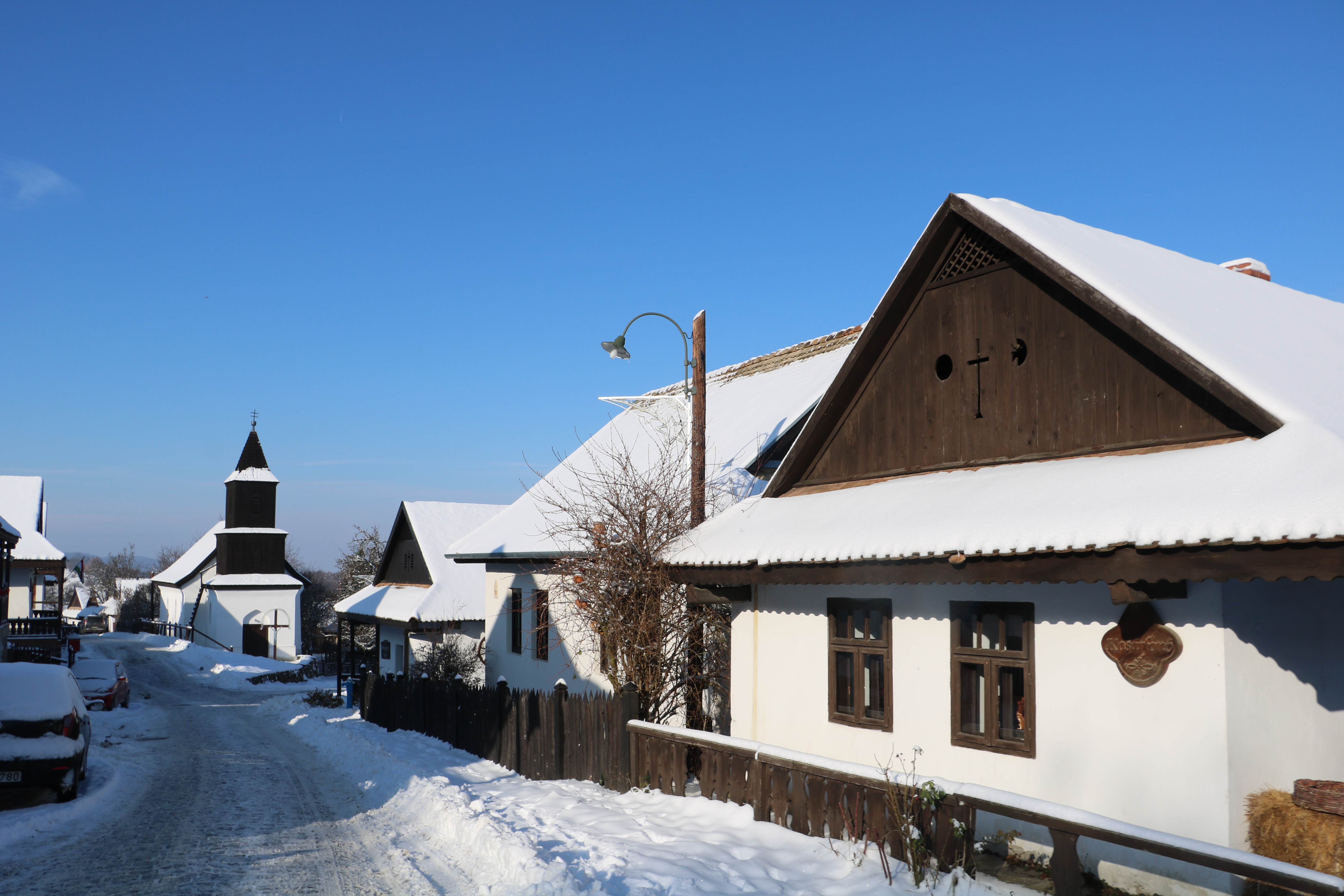
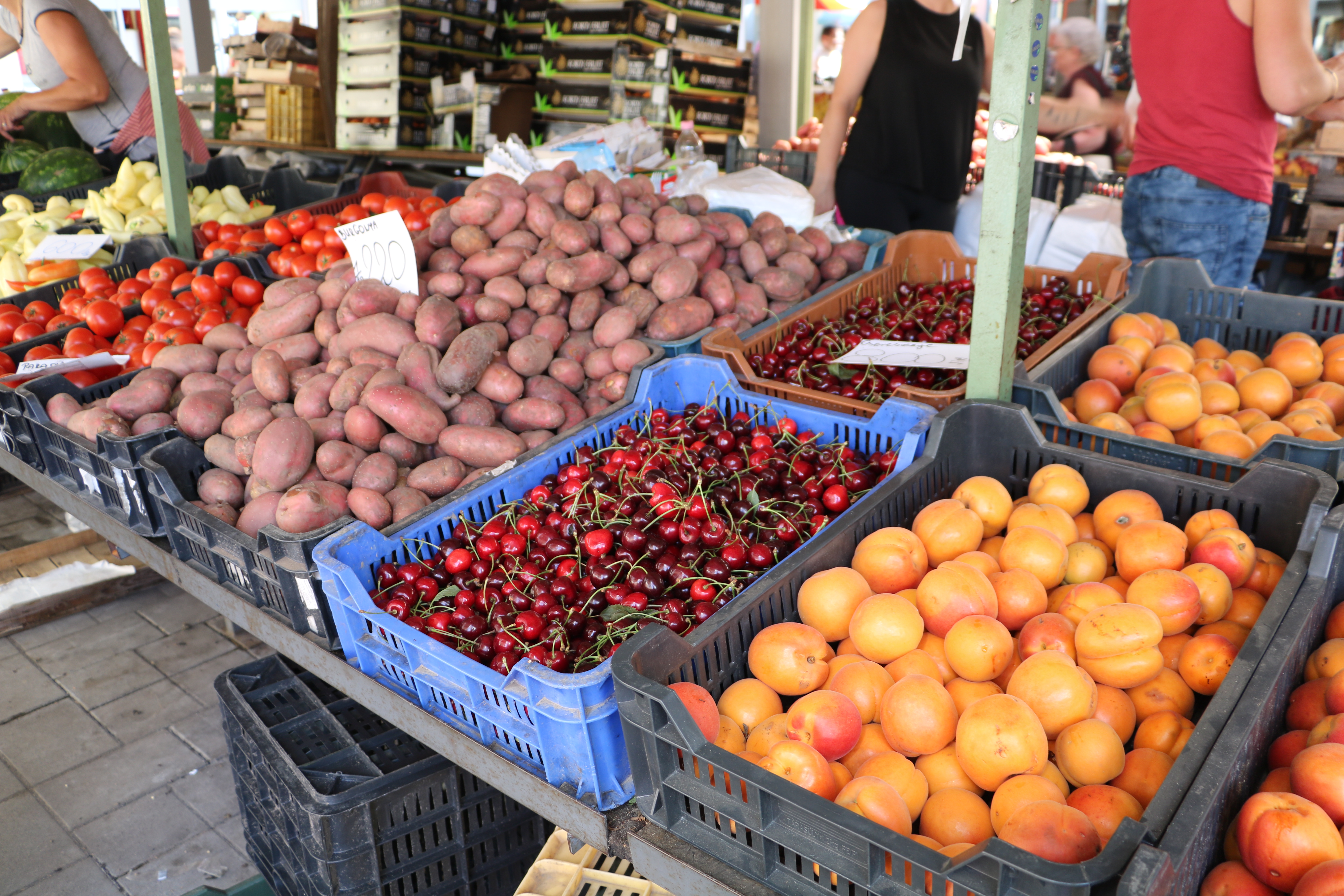
The other pillar of concrete contribution is radically rethinking consumption habits. Instead of opting for familiar restaurants using imported ingredients, we should look for short supply chains. When we shop at a local market from a farmer or have lunch at a family-run eatery, we directly contribute to the economic stability of a household. This kind of "micro-support" helps local residents avoid being at the mercy of seasonal fluctuations and allows them to save capital for their children's education or healthcare expenses.
When buying souvenirs, it's worth choosing artisan cooperatives over mass-produced plastics. In many developing countries, these cooperatives often provide work for disadvantaged women or minorities, giving them a chance to break free from extreme poverty. In this case, our purchase is not just about acquiring an item but about sustaining a job. The traveller's responsibility lies in recognising that every penny spent is a vote for a world where tourism uplifts rather than exploits local communities.

Beyond economic support, the traveller's most important tool is strengthening social resilience, particularly in regions with vulnerable infrastructure. One of the key sub-goals of Goal 1 is reducing the vulnerability of the poor to environmental and economic shocks. When we choose accommodation built with local materials or operating solar systems and water purification units, we indirectly fund technologies that remain with the community beyond the tourist season. Such investments make locals less dependent on centralised, often unreliable supply systems and better equipped to preserve their assets during unexpected natural disasters or economic crises.
Finally, the issue of developing human capital, which is the cornerstone of fighting persistent poverty, cannot be overlooked. The conscious traveller does not opt for passive handouts (such as giving money on the street) but supports providers that maintain vocational training programmes or scholarship systems for their employees' children. When we hire a tour guide who has become a professional through a local training centre, we are rewarding knowledge and self-esteem. This approach breaks the cycle of generational poverty, as tourism profits are no longer just a daily livelihood but an investment in the education of the next generation, offering a real chance for long-term advancement.
More News
All-
7 Mins

Read -
5 Mins

Read -
3 Mins

Read -
4 Mins

Read -
3 Mins

Read -
3 Mins

Read -
3 Mins
Read -
12 Mins

Read -
4 Mins
Read -
4 Mins

Read -
4 Mins

Read -
4 Mins

Read -
5 Mins

Read -
4 Mins

Read -
8 Mins
Read -
4 Mins
Read -
6 Mins
Read -
4 Mins

Read -
5 Mins

Read -
6 Mins

Read -
5 Mins

Read -
3 Mins

Read -
7 Mins

Read -
7 Mins

Read -
5 Mins

Read -
6 Mins

Read -
6 Mins

Read -
3 Mins

Read -
3 Mins

Read -
10 Mins

Read -
6 Mins

Read -
5 Mins

Read -
4 Mins

Read -
5 Mins

Read -
4 Mins

Read -
6 Mins

Read -
7 Mins

Read -
5 Mins

Read -
3 Mins

Read -
4 Mins

Read -
4 Mins

Read -
4 Mins

Read -
6 Mins

Read -
3 Mins

Read -
1 Mins

Read -
2 Mins

Read -
2 Mins

Read -
3 Mins

Read -
3 Mins

Read