Vatican City
The Vatican is not only the world's smallest independent state but also one of the most concentrated cultural and religious hubs of human civilisation. Although located in the heart of Rome, it hides a universe within its borders where millennia of dialogue between art, history, and spirituality take place. Exploring it is akin to responsible time travel, where careful planning of your visit is key to sustainability and a truly enriching experience.
The intersection of art and faith
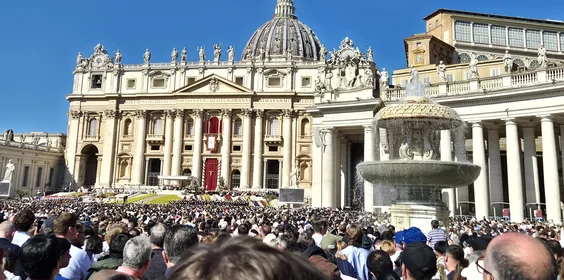
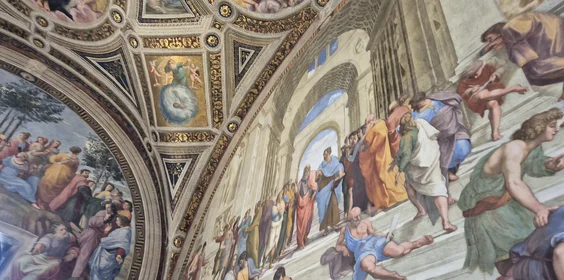
The history of the Vatican is closely tied to the tomb of Saint Peter the Apostle, over which the world's largest Christian church, St. Peter's Basilica, was built. Stepping under the basilica's dome, visitors are greeted by the awe-inspiring brilliance of architectural genius: Michelangelo's Pietà and Bernini's monumental bronze baldachin are not just religious symbols but eternal monuments to human creativity. Walking through the corridors of the Vatican Museums – spanning from ancient sculptures to the ceiling frescoes of the Sistine Chapel – one can understand how this tiny state became one of the world's most significant art collections.
Conscious visits beyond the crowds
The Vatican is one of the most visited places on Earth, so sustainable tourism here begins with mindful time management. Visiting outside peak seasons or opting for early morning or late evening slots not only helps preserve the physical condition of the artworks from excessive humidity and crowds but also offers visitors a deeper, more spiritual experience. It's also worth exploring the lesser-known Vatican Gardens, which make up more than half of the city-state's area: this meticulously maintained green oasis is an island of peace where nature and sacred architecture harmoniously unite.
Sustainability in the smallest state
It is less well known, but the Vatican plays a pioneering role in adopting green technologies. Since Pope Francis's Laudato si’ encyclical, the state has placed significant emphasis on environmental protection: for instance, the roof of the massive Paul VI Audience Hall is covered with thousands of solar panels, providing clean energy to surrounding buildings. The Vatican operates a strict waste management system and has set a goal to become plastic-free. As travellers, we can contribute to this by respecting the strict dress code (covering shoulders and knees) and reducing paper use by purchasing digital tickets.
Transport and practical information
The Vatican is located within the city of Rome and is most easily accessible via the A metro line (Ottaviano or Cipro stations). Since the area is best explored on foot, comfortable shoes are highly recommended. For museum tickets and visits to the basilica, it's advisable to check the official website in advance for opening hours and security regulations.
- Editorial content -
Getting there
- Bike
- Electric bicycle
- Bus (rented for the trip)
- Metro
- Bus (rented for the trip)
- Motorcycle
- Car
- Electric car
- Airplane
Arrival
- Walk
Sights, programs
Public transport
Thanks to its location, the Vatican is seamlessly integrated into Rome's public transport network, making it easily accessible in an environmentally friendly way without the need for a car. The fastest and most popular option is the A metro line (red line), with Ottaviano station closest to St. Peter's Basilica and Cipro station nearest to the Vatican Museums' entrance. Additionally, several bus routes (such as the popular 40 and 64 express lines from Termini station) provide direct connections to the city centre, while the Vatican railway station (Stazione di Roma San Pietro) serves visitors arriving from the suburbs and the coast. In the spirit of sustainable travel, take advantage of modern payment solutions: with the Tap & Go system, you can pay for rides directly with a bank card or phone without purchasing a ticket. If you're spending several days in the city, 24, 48, or 72-hour passes allow unlimited transfers between buses, trams, and metros, minimising your travel's ecological footprint. For detailed route planning and ticket options, the following official resources are recommended: Official timetables and route planner (ATAC): https://atac.roma.it Vatican railway connections (Trenitalia): https://www.trenitalia.com Digital ticket purchases and information: https://www.atac.roma.it/en/tickets-and-passes
- bus
- metro
Parking information
Due to the Vatican's unique status as an enclosed city-state, parking for visitors is not available within its walls. Those arriving by car must use Rome's city parking facilities, which require careful planning as the areas around the Vatican (Prati and Trionfale districts) are among the busiest zones. For a sustainable and stress-free visit, the recommended solution is the Park & Ride system: leave your car in secure parking areas in the outer districts and use the A metro line (Ottaviano station), which is just a few minutes' walk from the Vatican Museums' entrance. If you must park nearby, there are numerous private parking garages (autorimessa) in the area, as well as the nearby Terminal Gianicolo bus and car park, specifically designed to cater to tourists. For official parking zones, fees, and the nearest available spaces, consult the Rome transport authority's website: https://www.atac.roma.it/en/utility/atac-parking