
Parliament Building
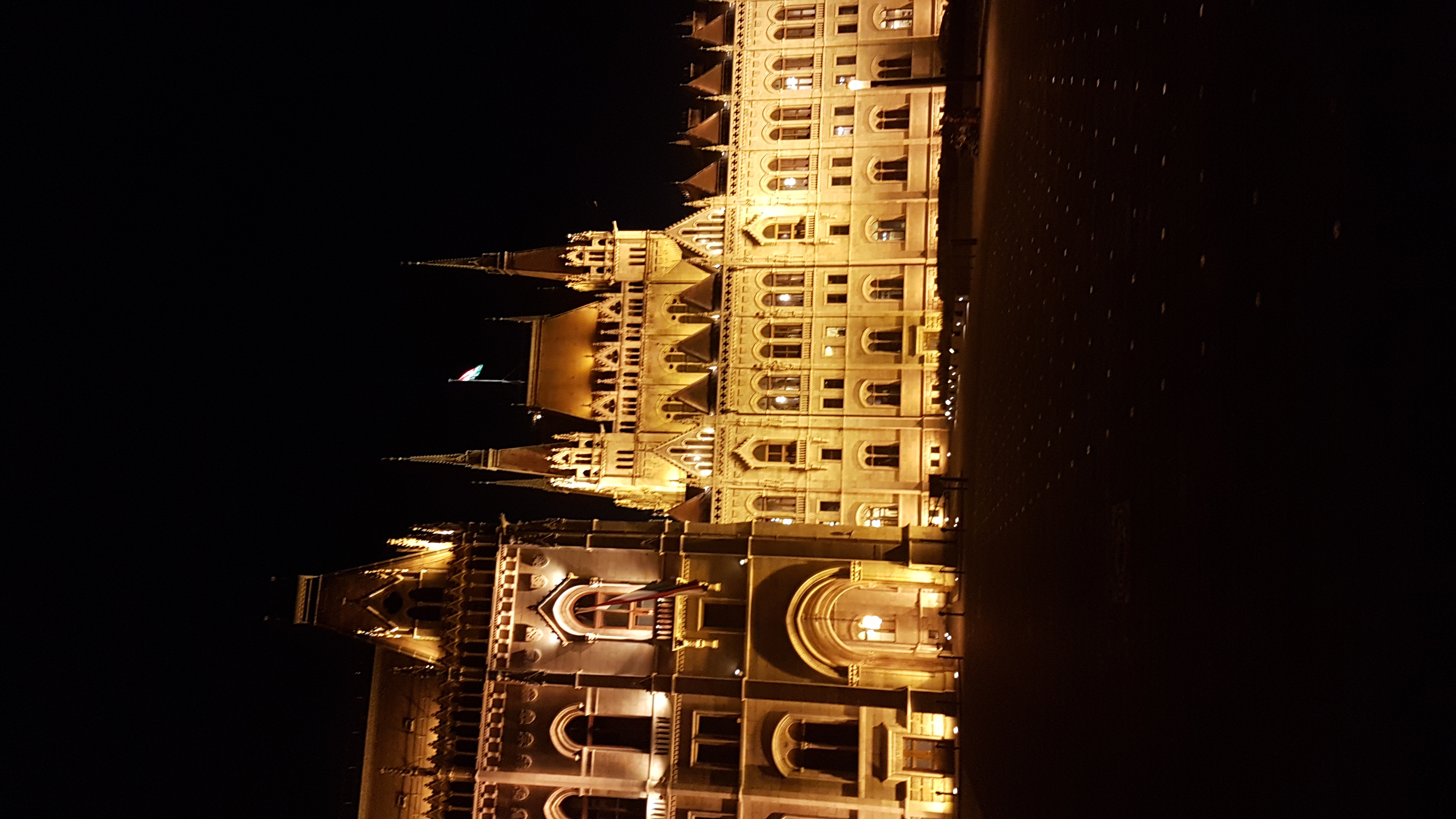
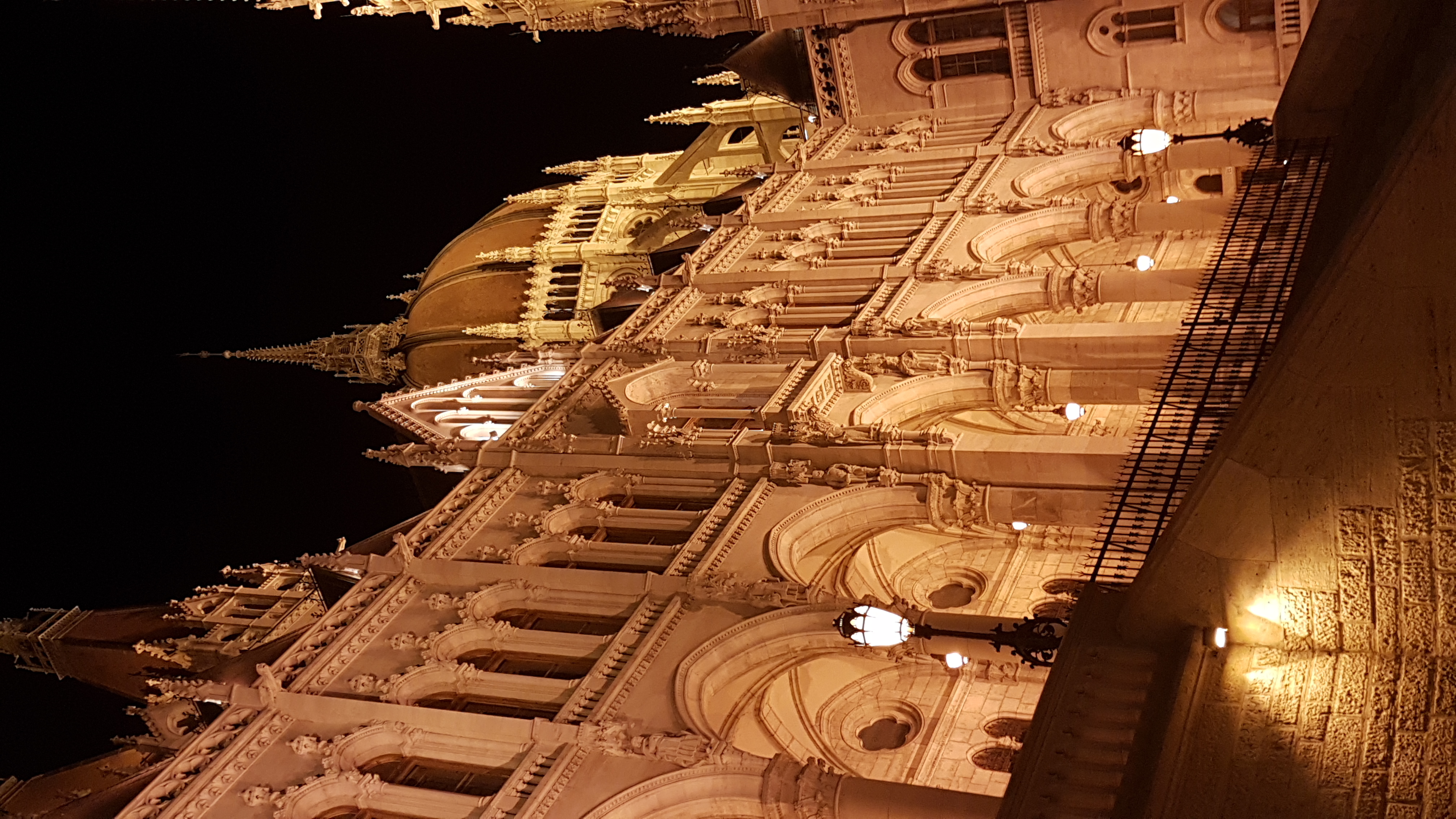
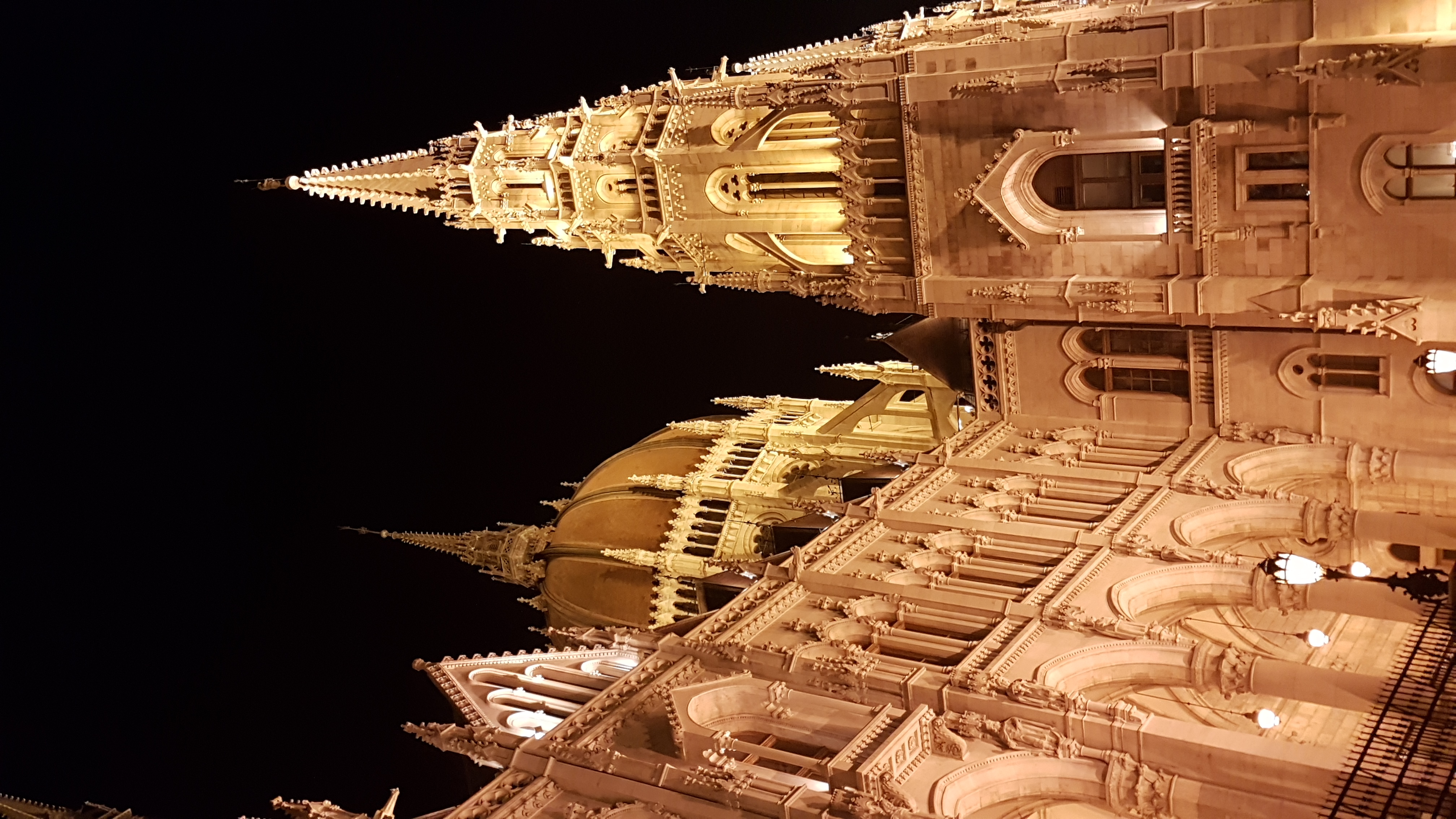
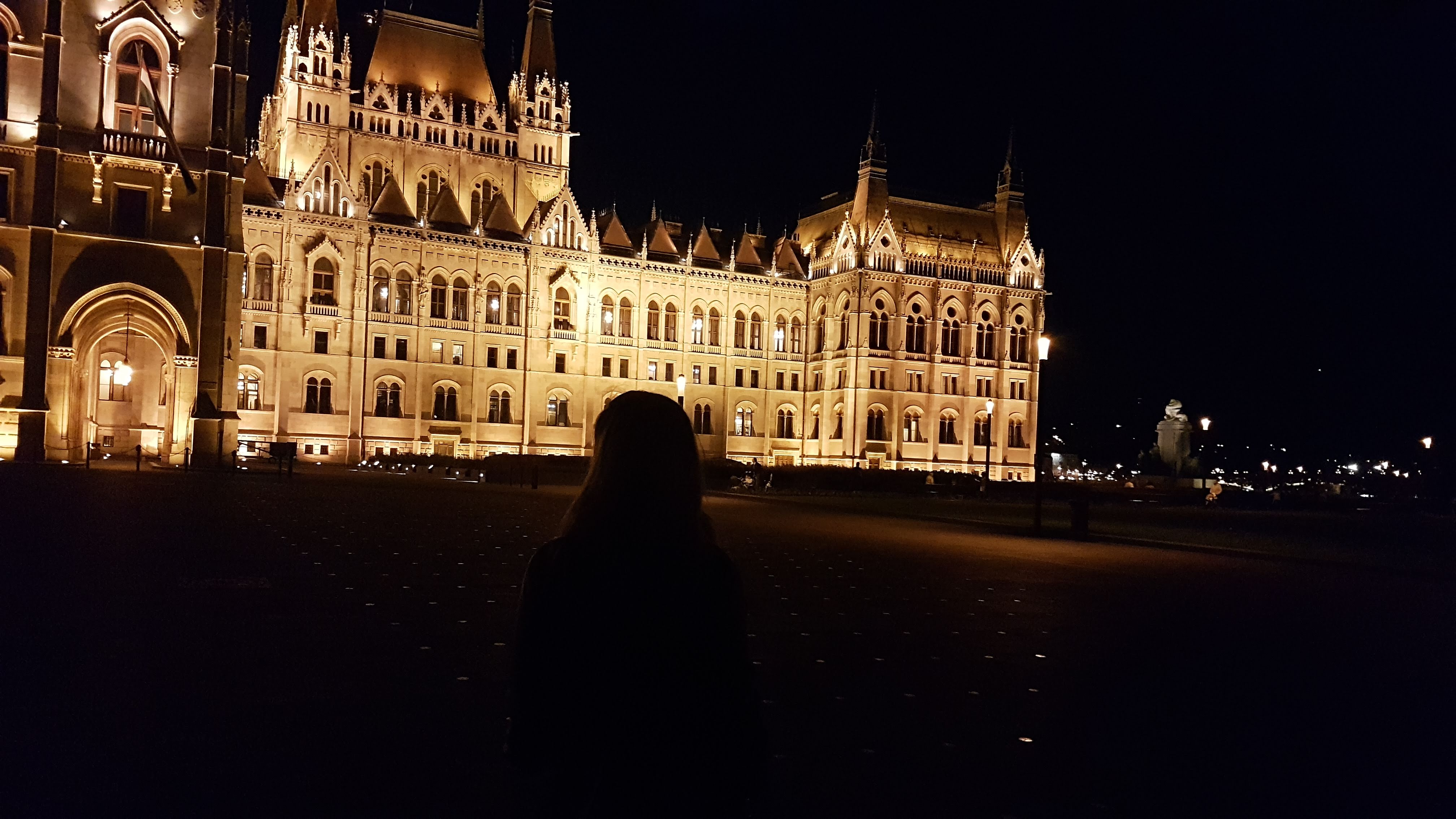
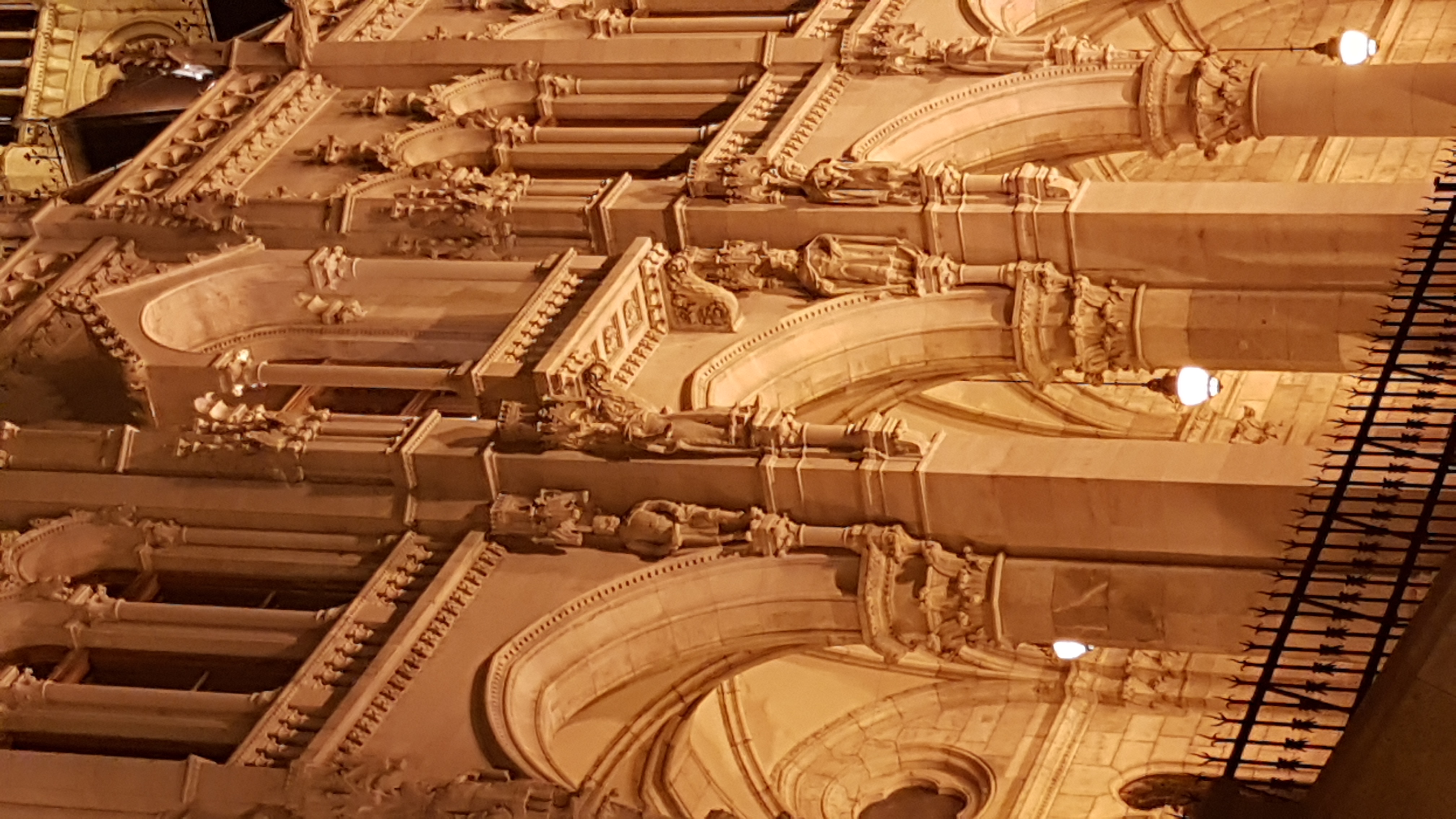
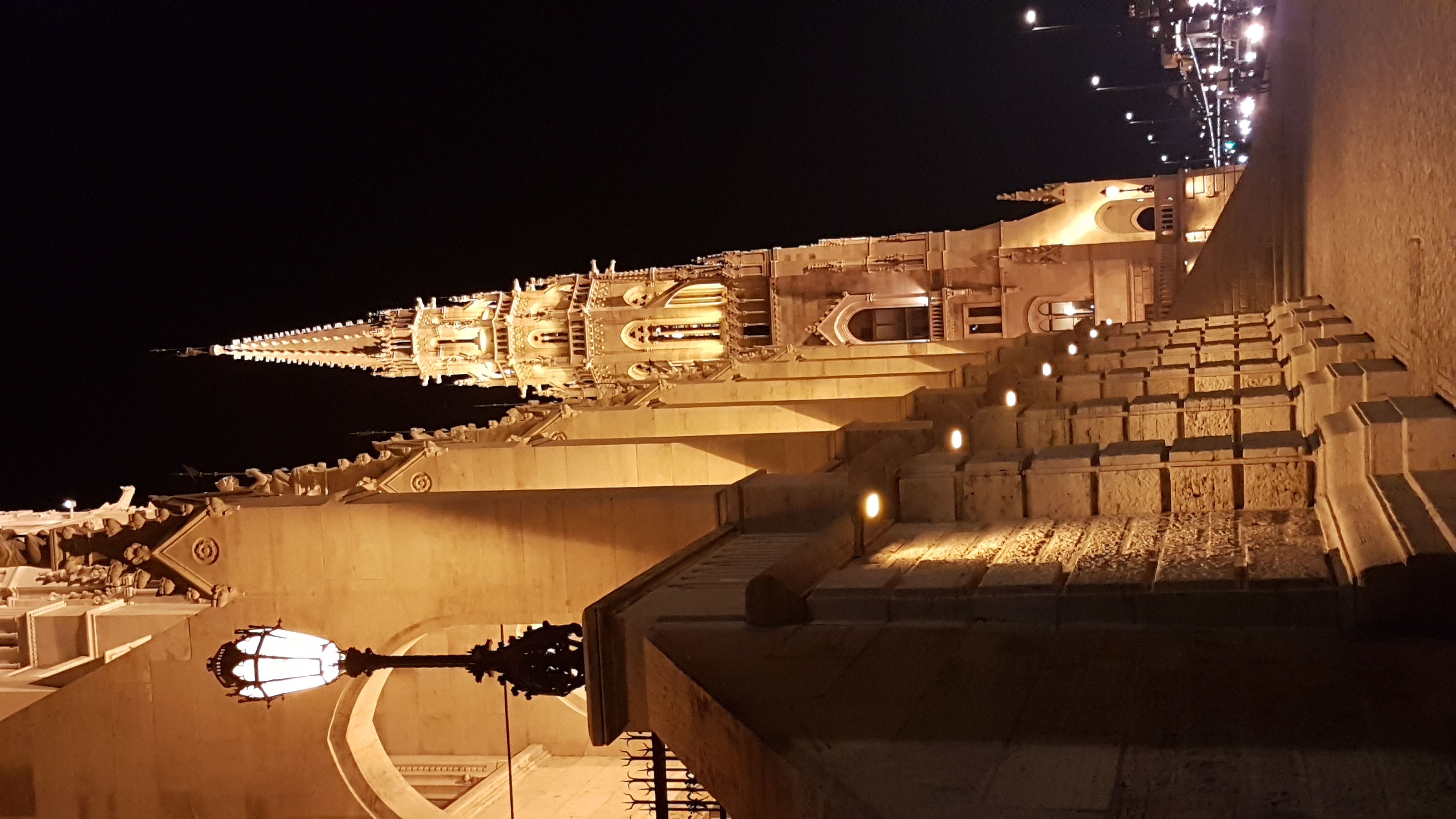
An inseparable part of Budapest's skyline, the Parliament building shines on the banks of the Danube. It is not only a political centre but also a carved-in-stone symbol of Hungarian independence and cultural identity. The building is the third-largest parliamentary structure in the world, and with its harmonious proportions and intricate decorations, it stands as one of the finest examples of neo-Gothic architecture in Europe.
- SZÉP card accepted
- Cash
- Bank card accepted
- Paid parking available
The Birth of a Grand Vision
In the late 19th century, during the economic boom following the Compromise, the need arose for a permanent and dignified legislative building. Nineteen designs were submitted to the competition announced in 1882, but the winner was ultimately Imre Steindl. The architect envisioned a building that combined the majesty of medieval Gothic with the monumental domes of the Renaissance and the splendour of Baroque interiors.
Construction began in 1885 and lasted 17 years. A significant historical fact is that the creators believed the building should be a "child of Hungarian soil":
-
Local materials: Almost exclusively Hungarian building materials were used.
-
Gold decorations: The brilliance of the interiors is enhanced by a total of 40 kilograms of 22-carat gold.
-
Hungarian craftsmen: The finest Hungarian artisans and artists of the time worked on it, from the stained-glass windows by Miksa Róth to the Zsolnay ceramics.


Architectural Highlights and Symbolism
The dimensions of the Parliament are impressive: it is 268 metres long and 123 metres at its widest point. The symmetrical layout of the building reflects the former bicameral parliamentary system: the Upper House was located in the northern wing, while the Lower House (today's National Assembly) was in the southern wing. The two are connected by the central Dome Hall, which has housed the Holy Crown and coronation regalia since 2000, under armed guard.
The statues on the façade and in the interiors depict great figures, rulers, and military leaders from Hungarian history, creating a continuous dialogue with the present. Even the 96-metre height of the dome is symbolic, referencing the year of the Hungarian conquest (896) and the millennium of the nation's existence (1896).

The Role of Parliament in Sustainable Tourism
During the 2014 reconstruction of Kossuth Square, located next to the Parliament, priority was given to increasing pedestrian access and green spaces, while removing vehicle traffic from the immediate surroundings. In the spirit of sustainability, the visitor centre showcasing the history of the Parliament was built underground, preserving the historic skyline while operating with modern, energy-efficient cooling and heating systems. To protect the building, strict visitor quotas are maintained, and the online ticketing system minimises paper use and queuing, thereby reducing local noise and environmental impact caused by tourism. Thus, the Parliament is not only a legacy of the past but also a responsibly managed cultural treasure preserved for future generations.
- editorial content -

Target group
-
Class trips
-
Families with younger children
-
Families with older children
-
Multigenerational programs
-
Friends
-
Seniors
-
Couples
Other services
Sights, programs
All
Parking information
- Paid parking available