
Széchenyi Baths
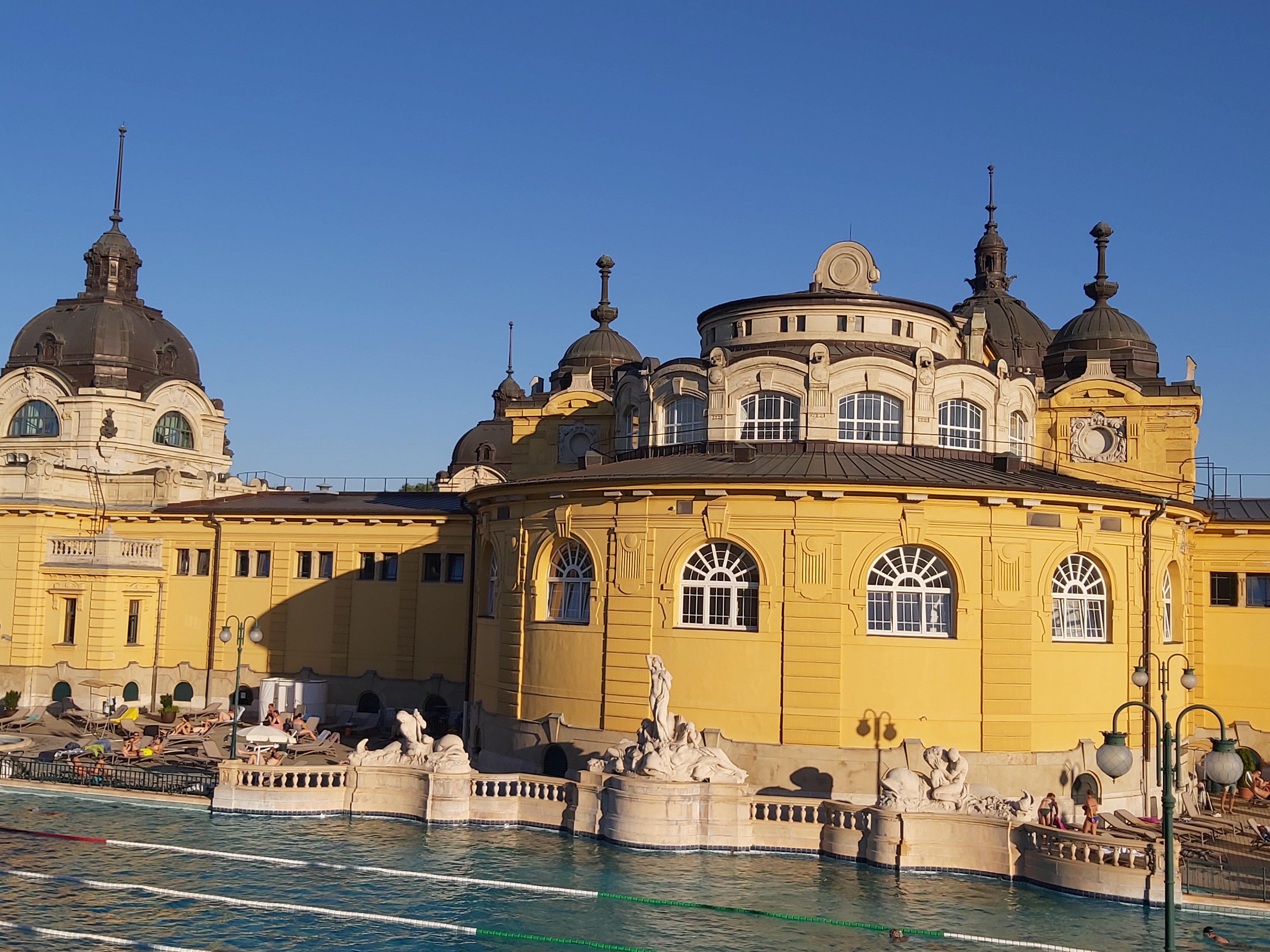
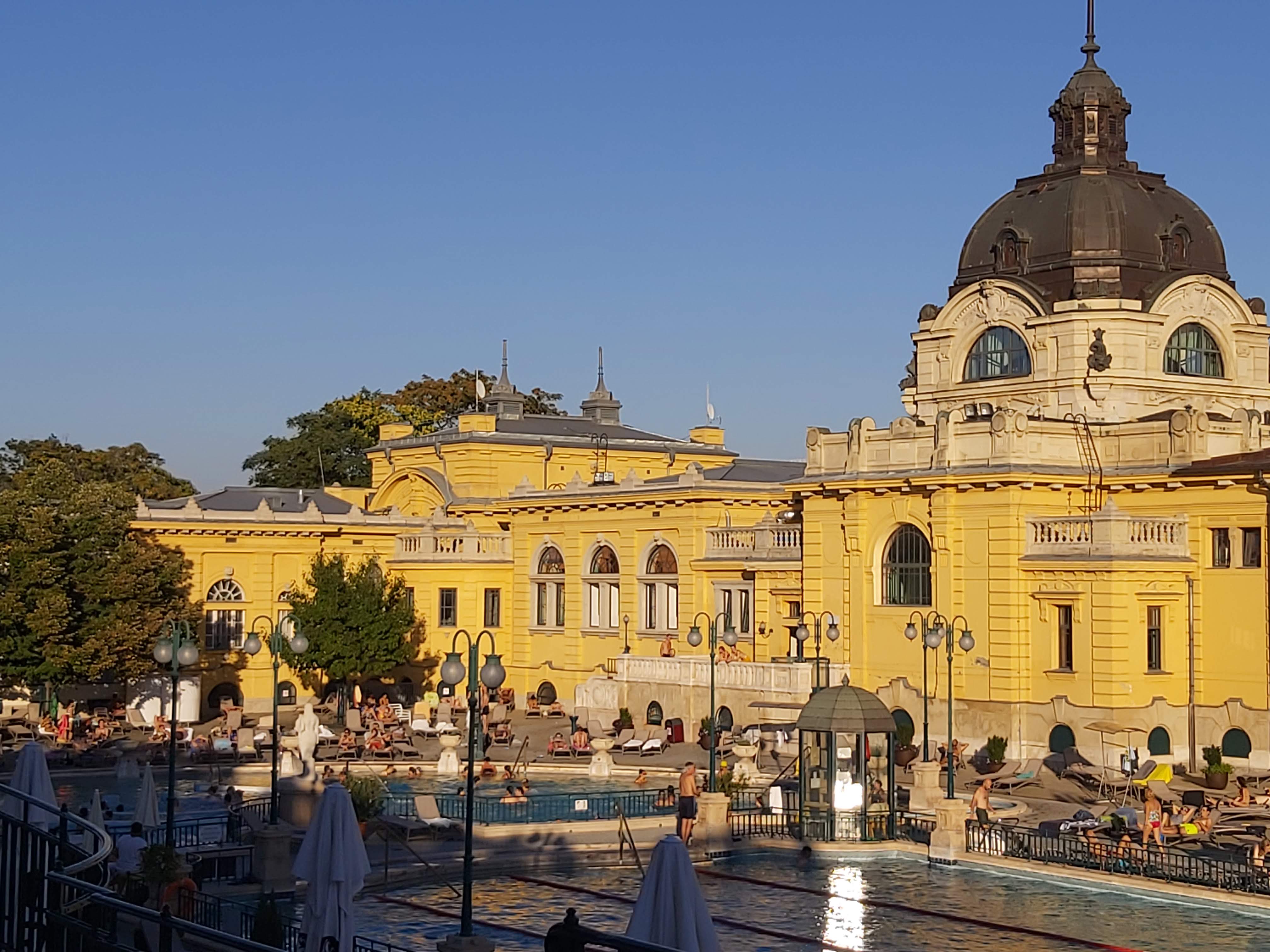
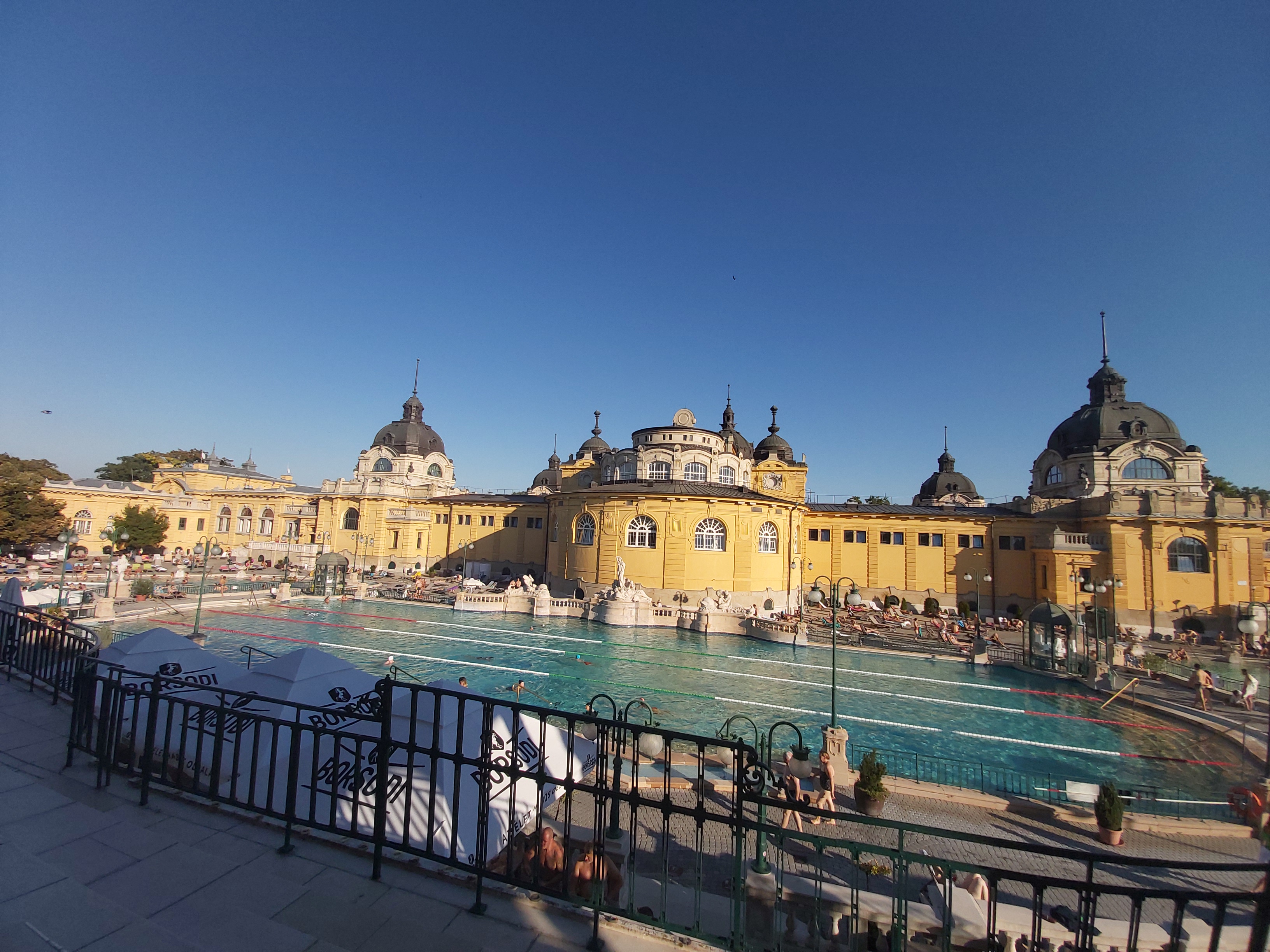
Nestled in the lush greenery of Budapest's City Park, the Széchenyi Thermal Bath is not only one of the Hungarian capital's treasures but also one of the largest and most impressive bath complexes in Europe. Opened in 1913, this institution offers a perfect synthesis of historical bathing culture and modern recreation. Its yellow walls and monumental domes proudly proclaim the status of Pest's first thermal bath, which has since become one of Budapest's most important tourist attractions, located right next to a UNESCO World Heritage site.
- SZÉP card accepted
- Cash
- Parking available
- Bank card accepted
An Architectural Masterpiece and Artistic Heritage
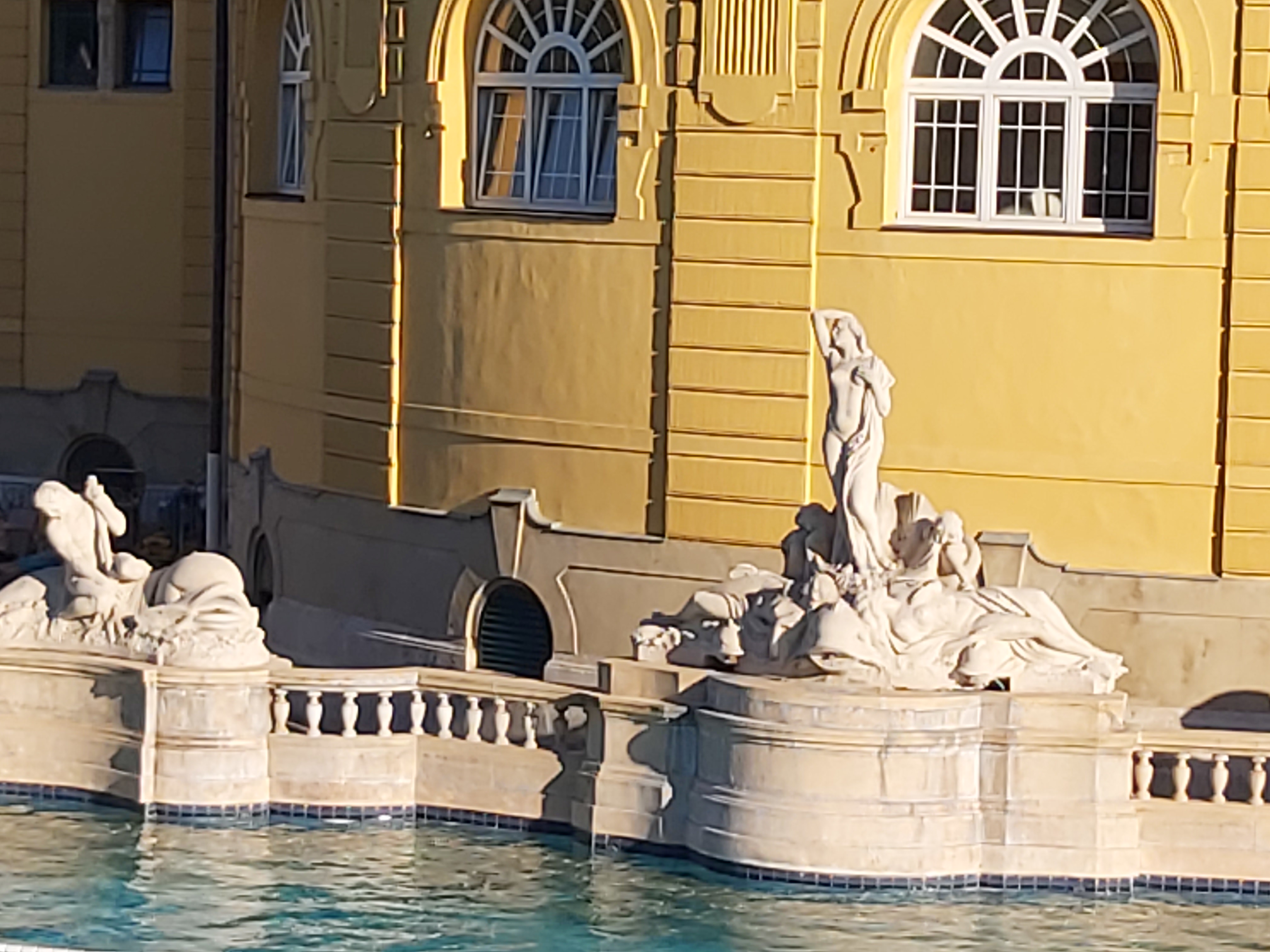
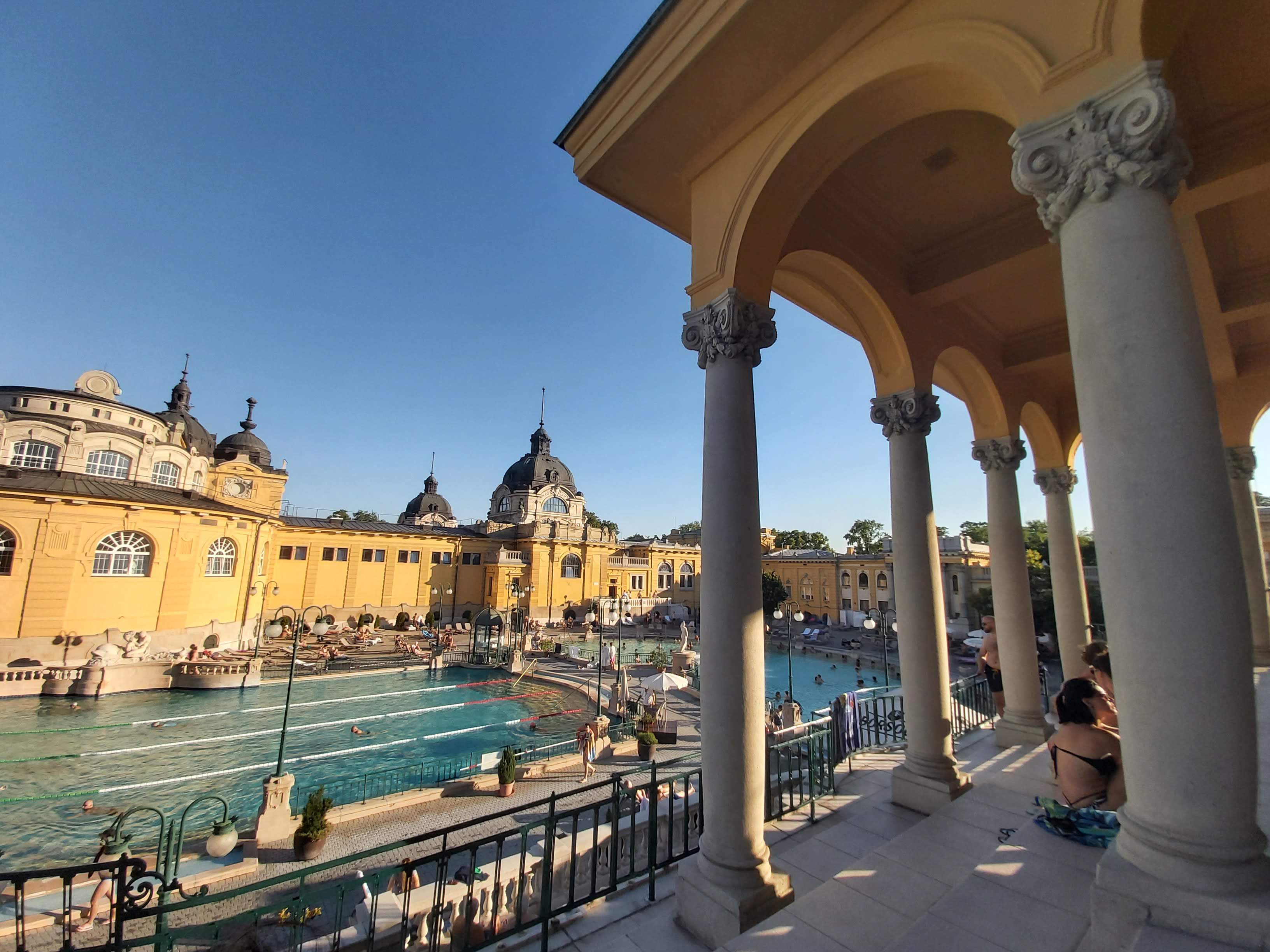
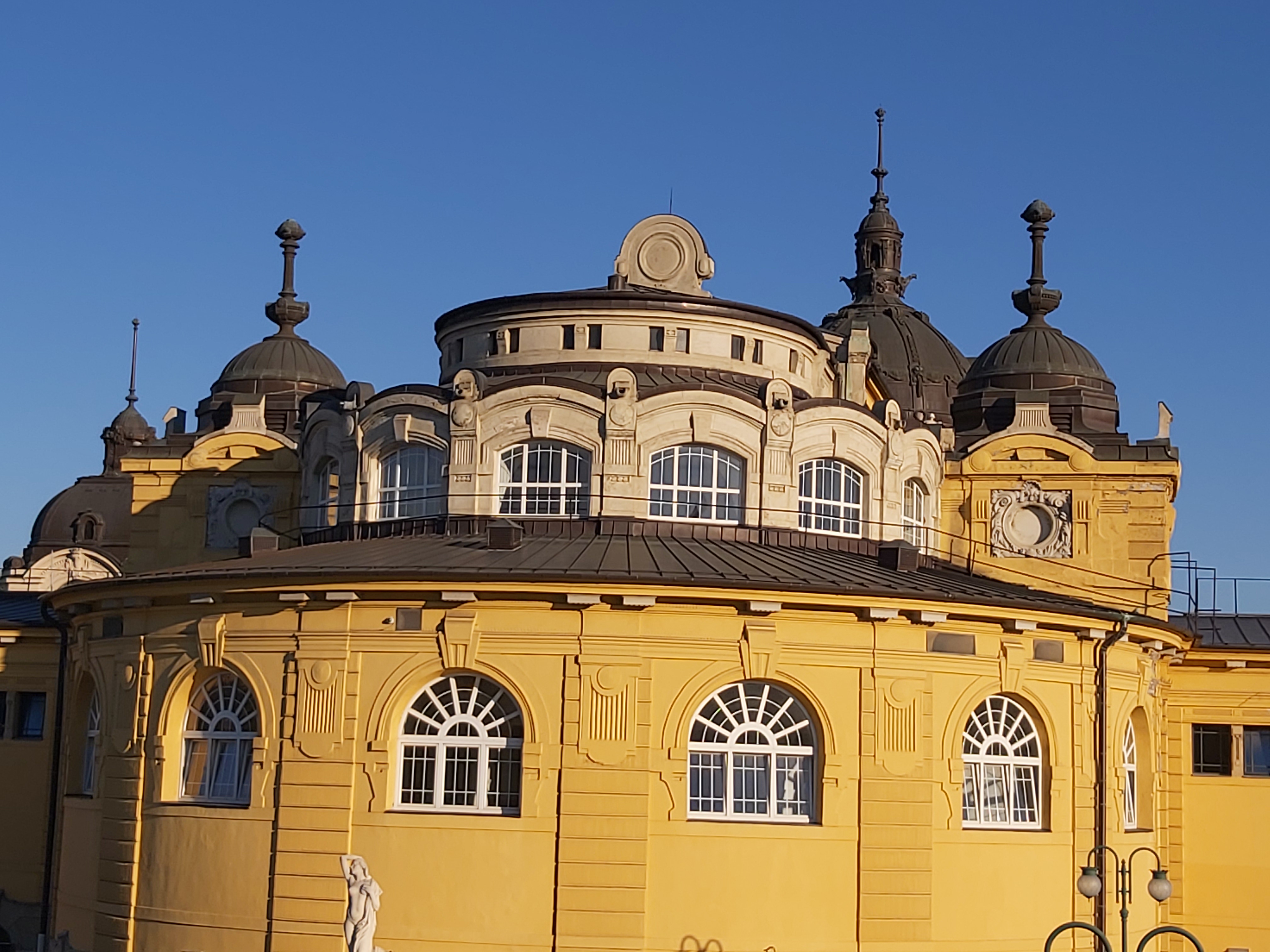
The building of the bath is a lavish blend of neo-Baroque and neo-Renaissance styles, realised based on the designs of Győző Czigler. Upon entering the interior, visitors are greeted by a stunning visual experience: the central dome hall adorned with massive glass mosaics, marble columns, and delicate stuccoes exude a dignity worthy of Roman and Greek baths. The symmetry of the outdoor pool area and the embrace of the monumental wings create a setting where bathing becomes not just a hygienic or health activity but also a cultural journey through time.
The Treasure of the Depths: Healing Waters and Their Benefits
The lifeblood of Széchenyi Baths springs from deep underground, over 1,200 metres below the surface. The water from the Saint Stephen Well, at a temperature of 76°C, is the second deepest and hottest thermal source in Budapest. Rich in minerals, this water contains calcium, magnesium, sodium, as well as sulphate and fluoride components. From a medical perspective, it is primarily recommended for those suffering from degenerative joint diseases, chronic joint inflammations, and for rehabilitation after accidents or orthopaedic surgeries. The steam from the water also has beneficial effects on the respiratory system, while the drinking water available in the drinking hall is effective for alleviating stomach and digestive complaints.
Sustainable Tourism and Geothermal Innovation
The bath is not just a consumer of the natural thermal energy but also a responsible steward of it: the "waste heat" from the pools, which still contains significant thermal energy, is utilised through an innovative district heating system. This geothermal cascade system provides heating for the exotic animal houses and palm houses of the neighbouring Budapest Zoo and Botanical Garden, significantly reducing the city's carbon emissions and dependence on fossil fuels.
Social Responsibility and Heritage Preservation
The third pillar of sustainability, social integration, is also a part of the bath's daily operations. Széchenyi is not an exclusive luxury facility but an integral part of Budapest's life, where local pensioners' therapeutic treatments coexist peacefully with the relaxation of tourists from around the world. The bath's revenue is continuously reinvested in the preservation and restoration of the historic building, ensuring that this cultural treasure remains for future generations. Visitors are also encouraged to adopt an environmentally conscious approach by using public transport – particularly the historic M1 metro line – which stops directly at the bath's entrance.
- editorial content -
Target group
-
Families with older children
-
Multigenerational programs
-
Friends
-
Seniors
-
Couples
Other services
Sights, programs
Parking information
- Paid parking available
Sustainability status report
The values shown here come from I-DEST's internal self-assessment system, which shows the progress of a service provider or location in various areas of sustainability. These are not rating scores, but rather informative feedback to support improvement. Food and products
 Caring for people
 Decent employment
 Pollution reduction
 Caring for the climate
 Waste reduction
 Caring for water
 Caring for nature
 Caring for culture
 Management and information