
Keleti Railway Station
Budapest-Keleti Railway Station is not only Hungary's busiest railway hub but also one of the capital's most impressive and internationally renowned architectural masterpieces. Opened in 1884, the station stands as a monumental testament to the technological advancements of its time and the economic prosperity of the Austro-Hungarian Empire, retaining its original function and historical grandeur to this day.
- Paid parking available
The station's history from its foundation to the present day
In the last third of the 19th century, the existing terminal stations in Pest could no longer handle the rapidly increasing passenger and freight traffic. The Hungarian Royal State Railways (MÁV) therefore decided to build a new central station.
-
Design and construction: Construction began in 1881 at the then end of Kerepesi út. The plans were drawn up by architect Gyula Rochlitz and bridge engineer János Feketeházy.
-
Opening: The station was opened to traffic on 16 August 1884, originally under the name Central Station. At the time, it was considered one of the most modern railway terminals in Europe, equipped with electric lighting and state-of-the-art mechanical switch systems.
-
Name change: It was renamed Keleti Railway Station in 1892, referring both to its geographical location and to the Transylvanian and Balkan railway lines departing from it.
-
Renovation: The building suffered significant damage during World War II but was restored. In recent years, major renovations have completely transformed the underpass level, created a modern passenger centre, and made the platforms accessible.







Architectural significance and stylistic features
The architecture of Keleti Railway Station is one of the finest examples of historicism in Hungary, specifically eclecticism and Neo-Renaissance style. With its majestic appearance, the building was designed to deliberately showcase the power of the state and the railway company.
The engineering marvel of the hall
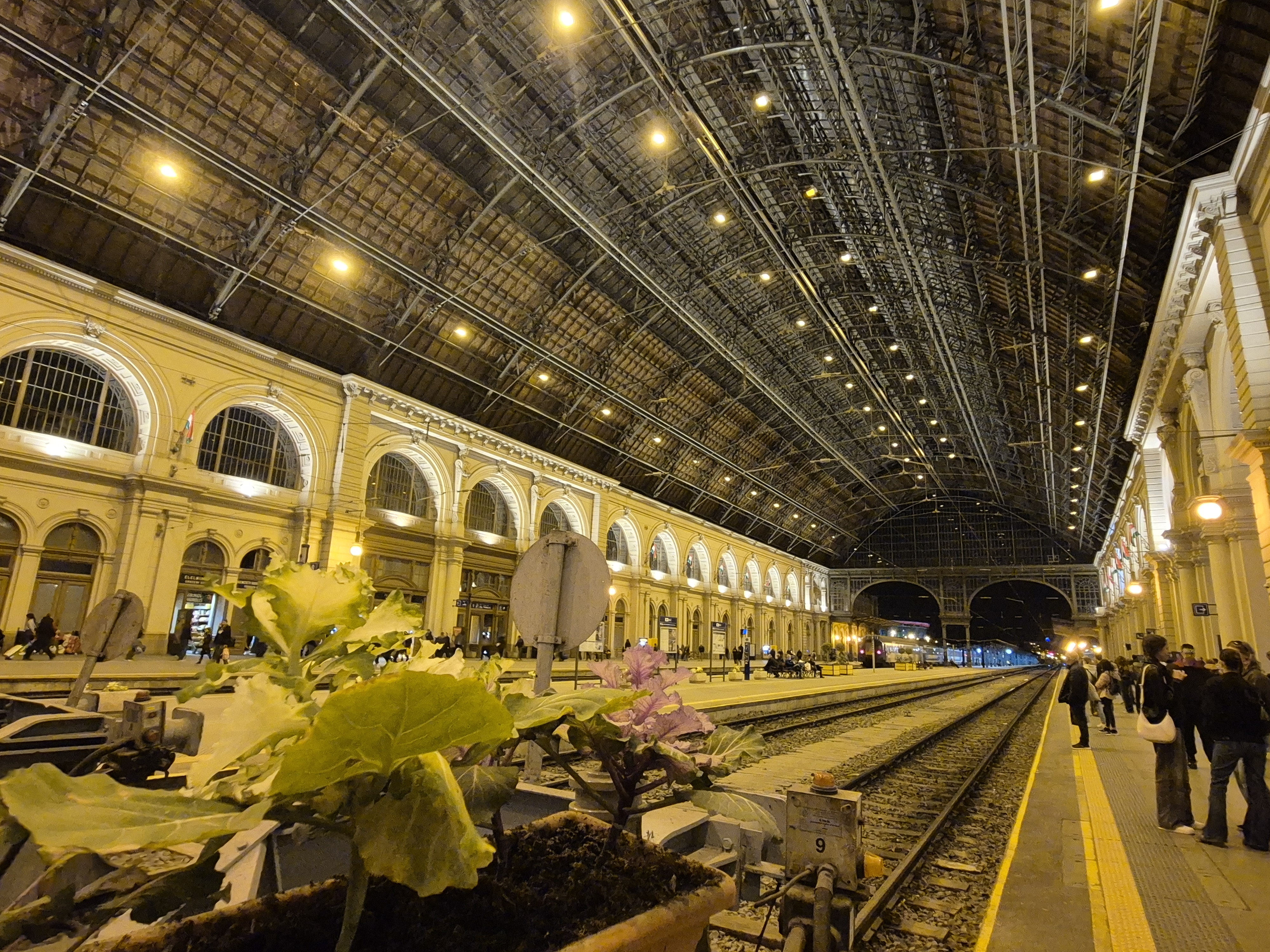
The most impressive part of the station is the vast iron-framed hall covering the tracks, designed by János Feketeházy.
-
Structural dimensions: The hall is 144 metres long, 42 metres wide, and arches up to 25.5 metres high. At the time of its construction, it was the largest span structure in the country.
-
Light and space: Thanks to the large glass surfaces, the hall is bathed in natural light, which in the 19th century symbolised modernity and technological triumph.
The monumental main façade
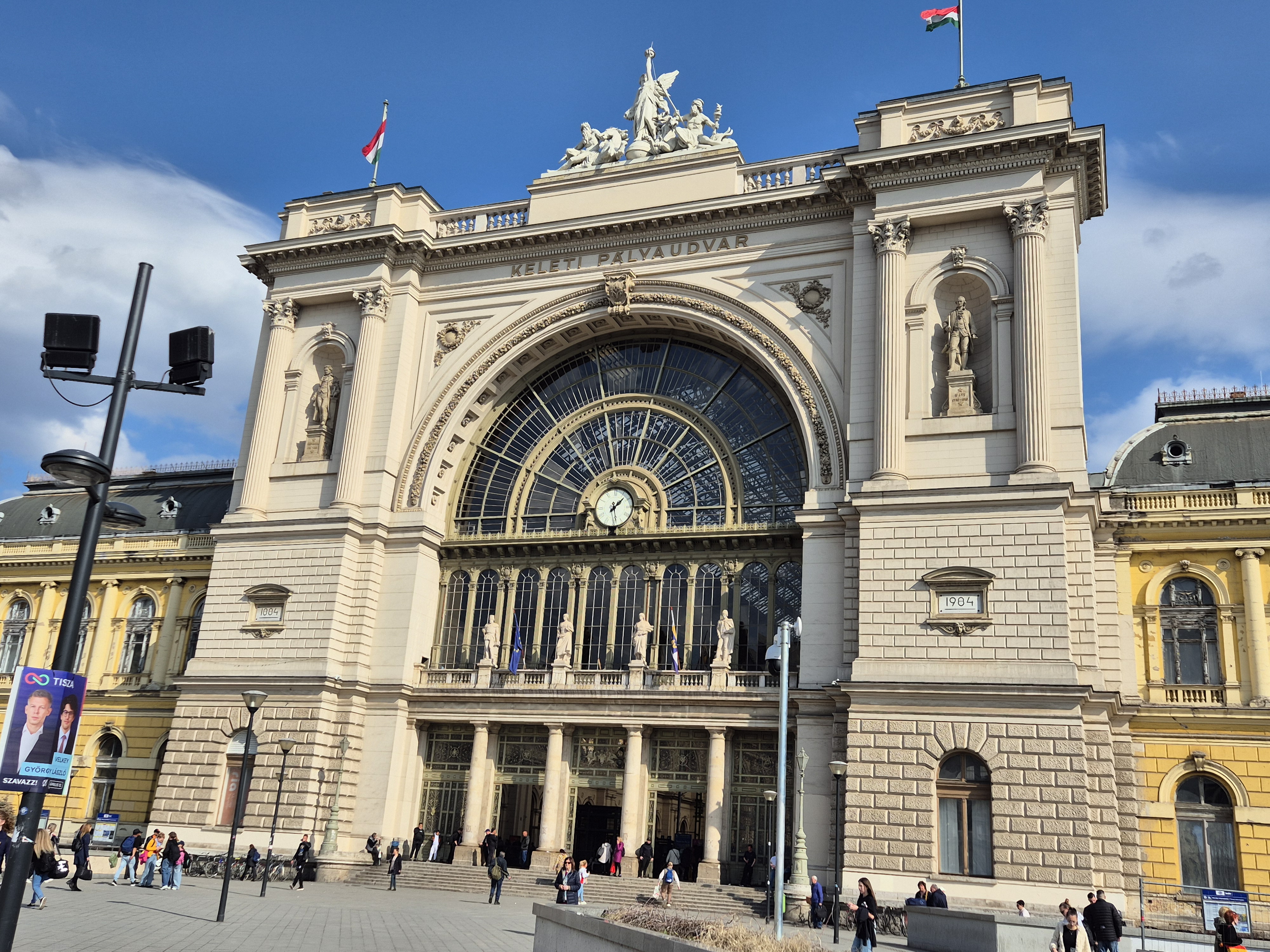
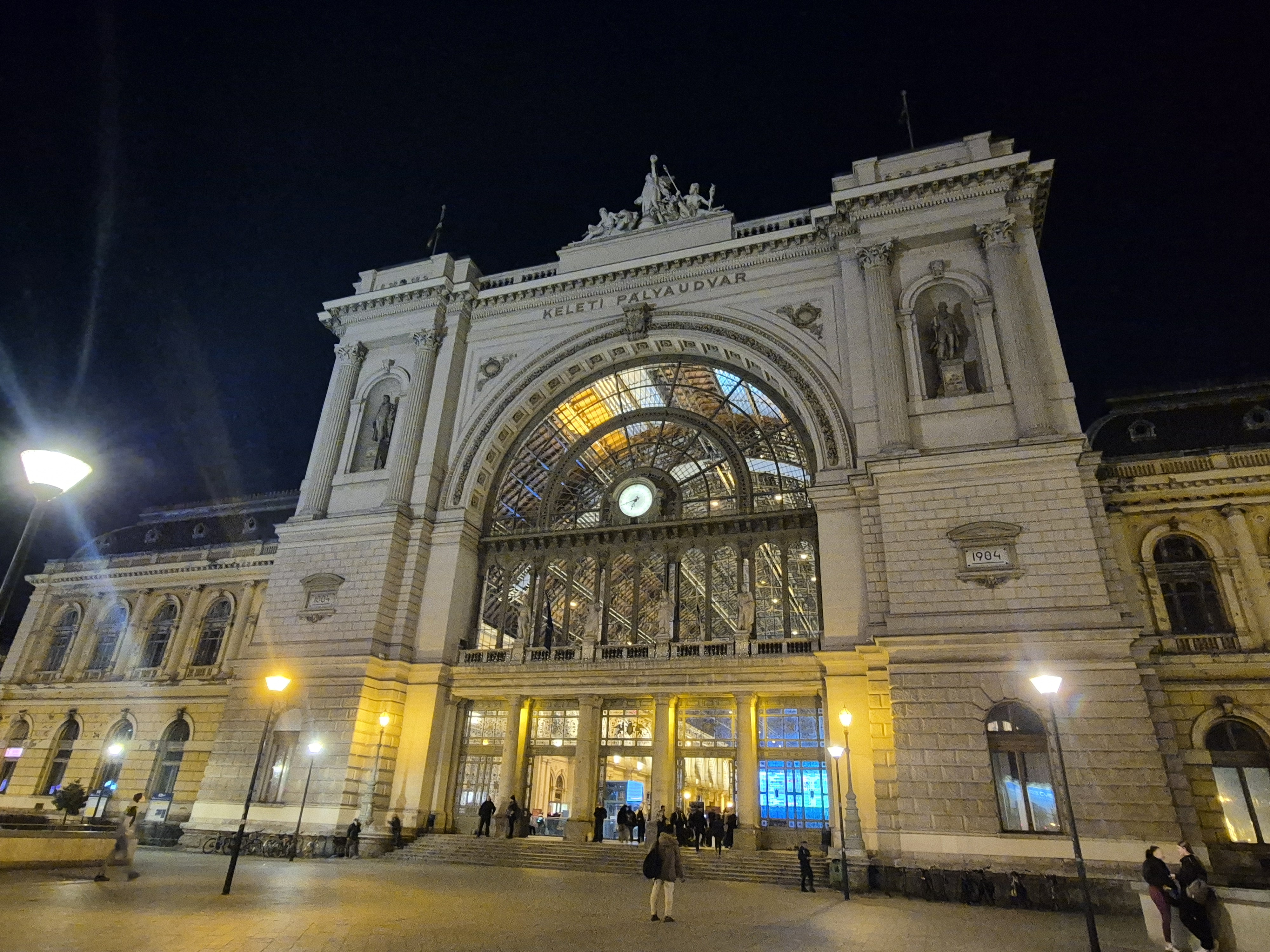
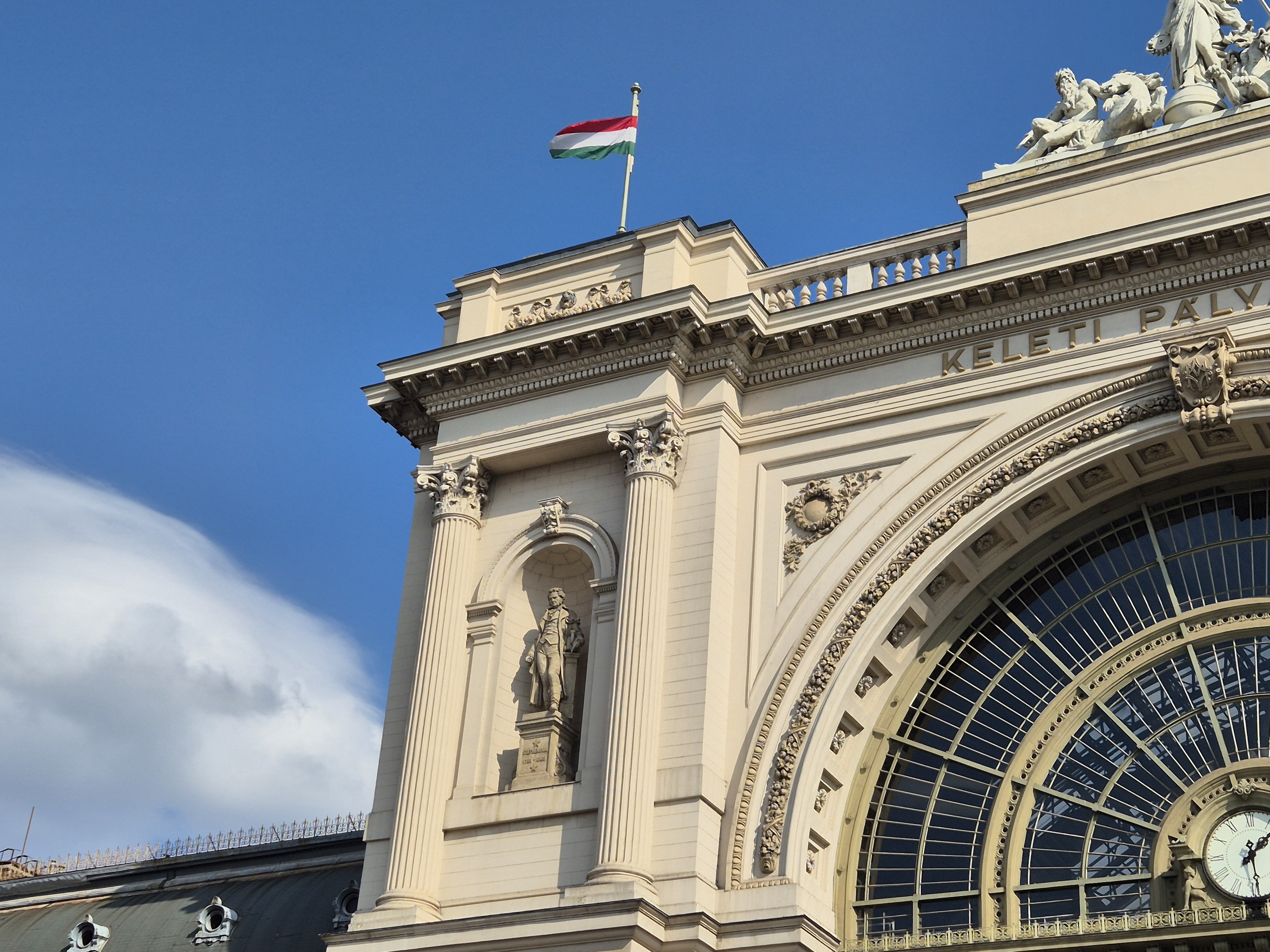
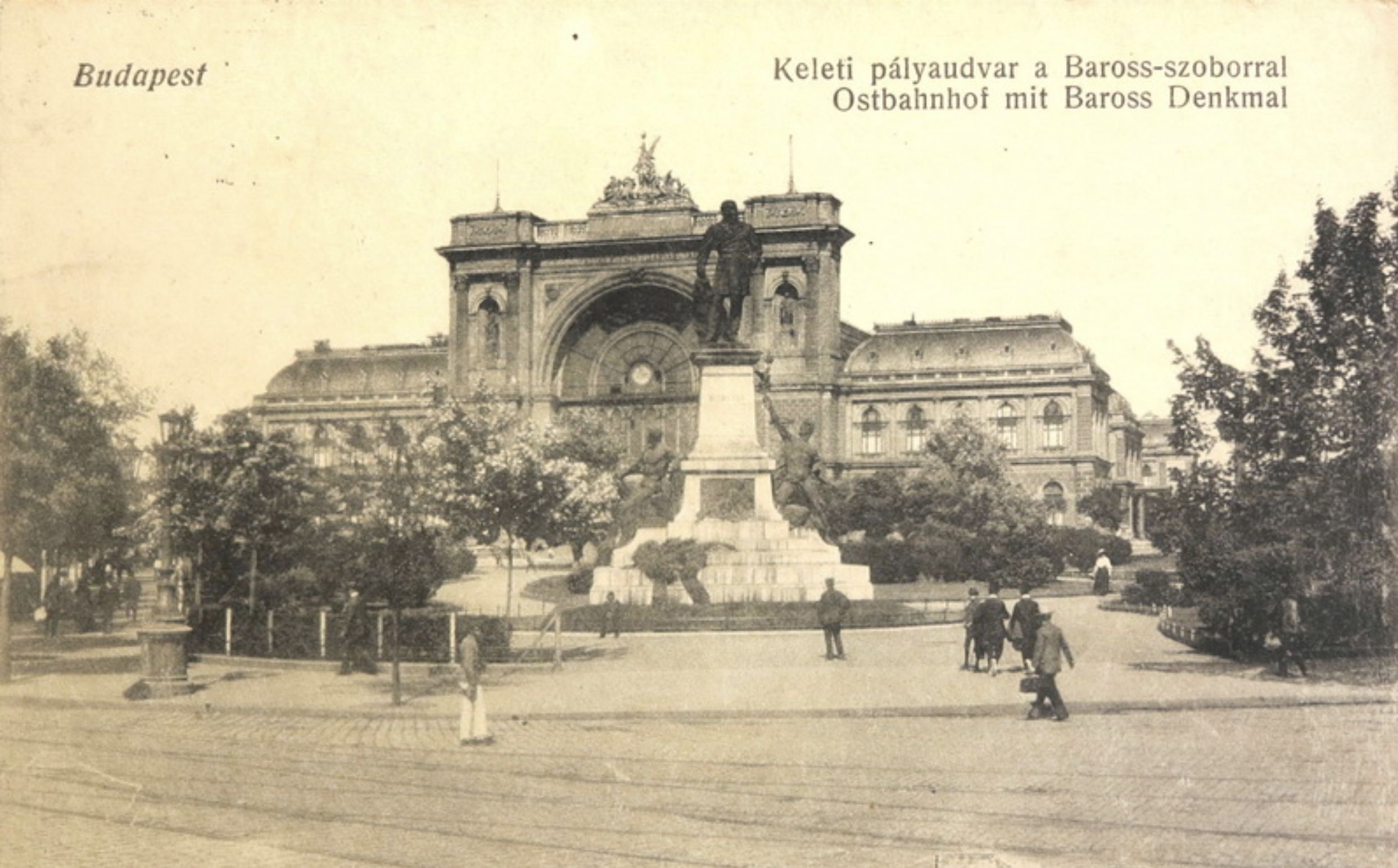
The 43-metre-high main façade facing Baross Square resembles a triumphal arch, welcoming those arriving in the city.
-
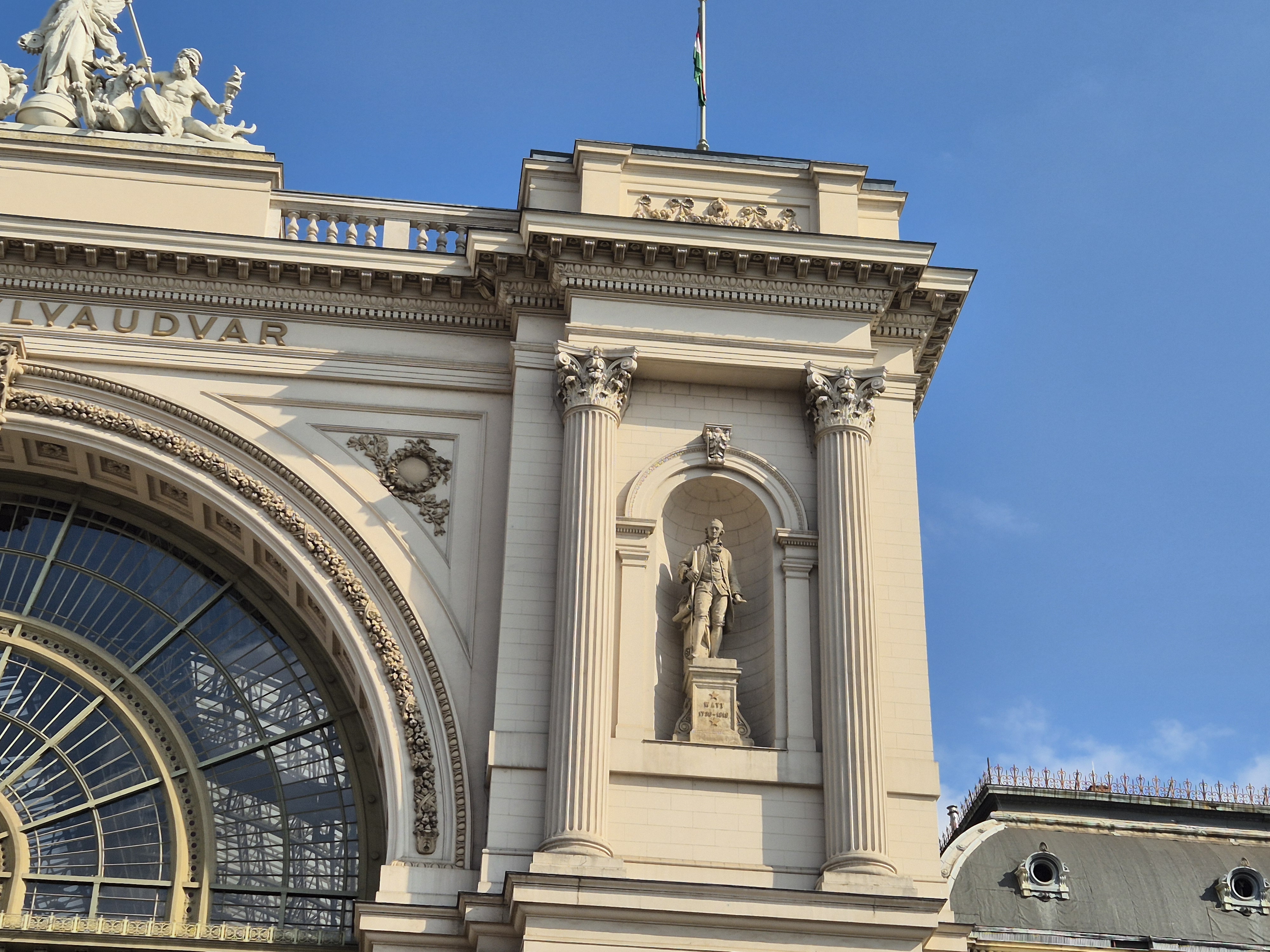
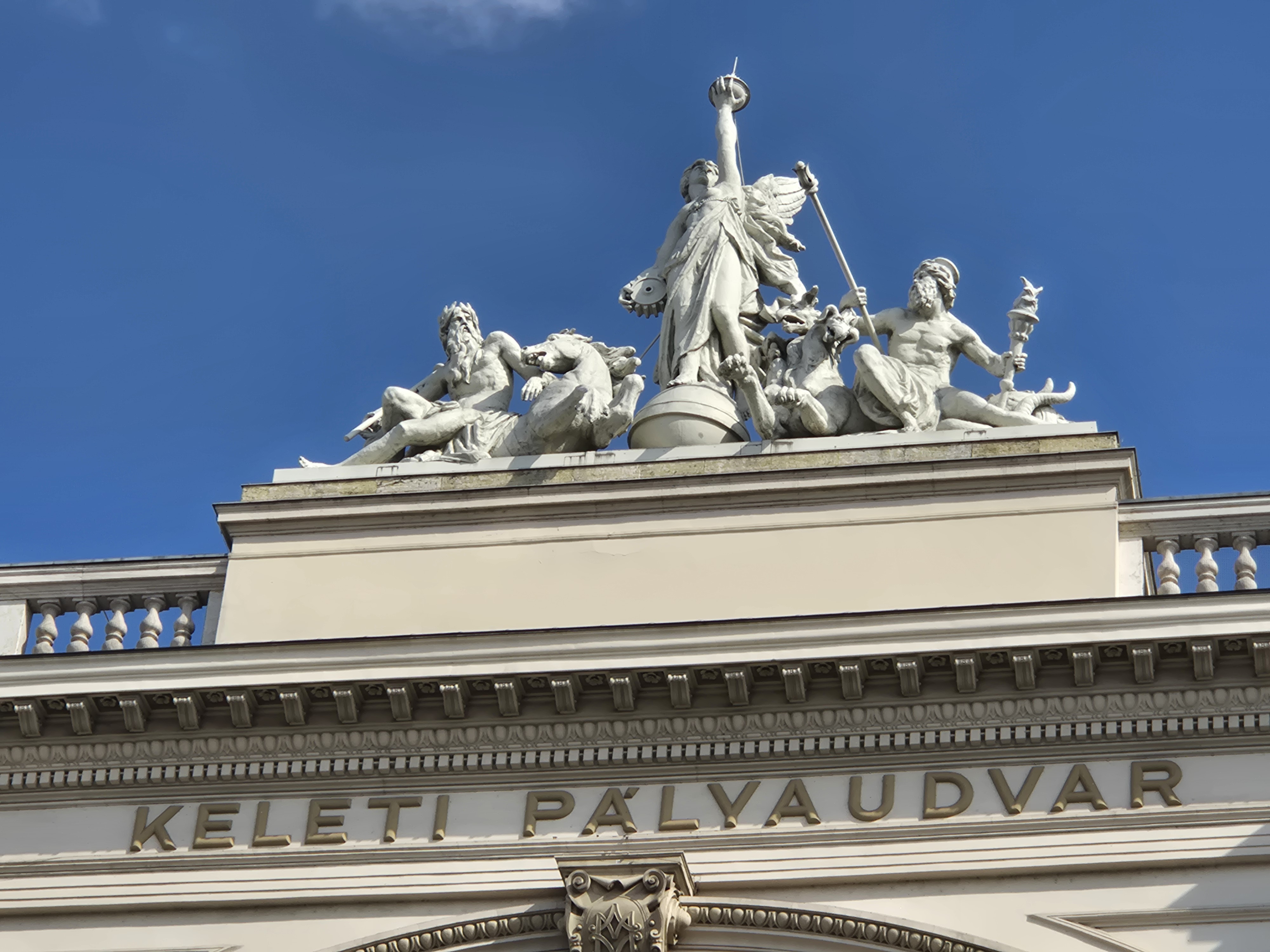
Sculptural decoration: At the top of the façade, above the large semicircular window, is an allegorical group of sculptures representing steam power and transport (created by Gyula Bezerédi). In the niches next to the entrance, full-length statues of George Stephenson and James Watt, two pioneers of railways and steam engines, are displayed.
The Lotz Hall (Former ticket hall)
The former departure ticket hall in the northern wing of the station is now one of the city's most beautiful hidden interiors. The hall is adorned with monumental frescoes by two of the era's most renowned Hungarian painters, Károly Lotz and Mór Than, depicting allegories of transport, communication, and the arts.
Sustainability and accessibility in modern tourism
Keleti Railway Station is not just an architectural monument but also a cornerstone of sustainable and environmentally friendly travel (Slow Travel) in Hungary. Through railway electrification and modern trains, the station provides direct, low-carbon connections to major cities in Central and Western Europe (Vienna, Munich, Zurich, Prague, Berlin).
-
Eco-friendly access: The station is easily reachable from Budapest's city centre in minutes without a car. It offers direct connections to the M2 and M4 metro lines, the 4 and 6 tram lines, and numerous trolleybus and bus routes.
-
Visitor information: The station building and passenger centre are fully accessible. The Lotz Hall and main hall can be visited freely without a ticket, making it an excellent starting point for a sustainable architectural walk in Budapest.
The Baross Gábor Statue: A tribute to the 'Iron Minister'

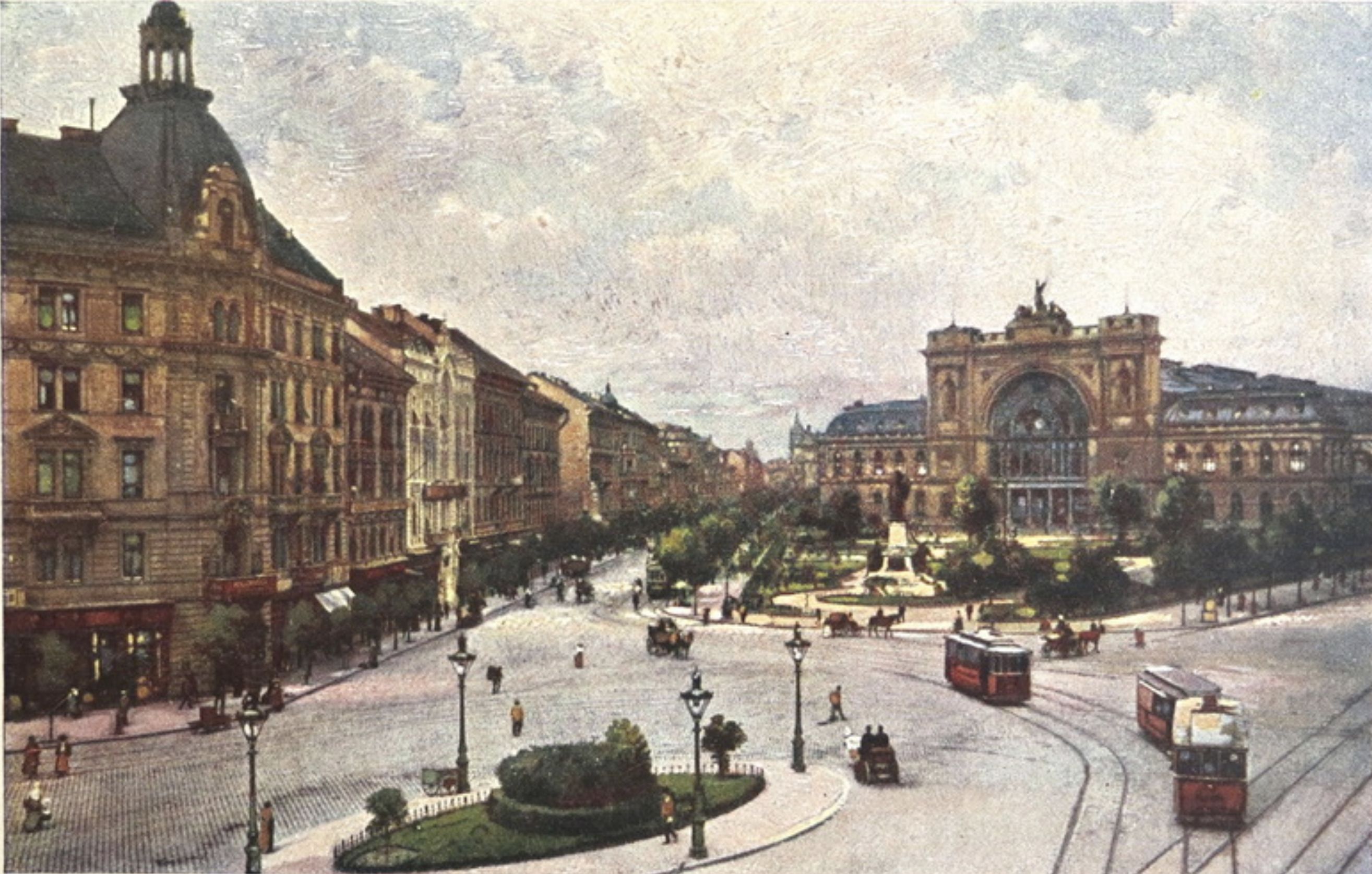
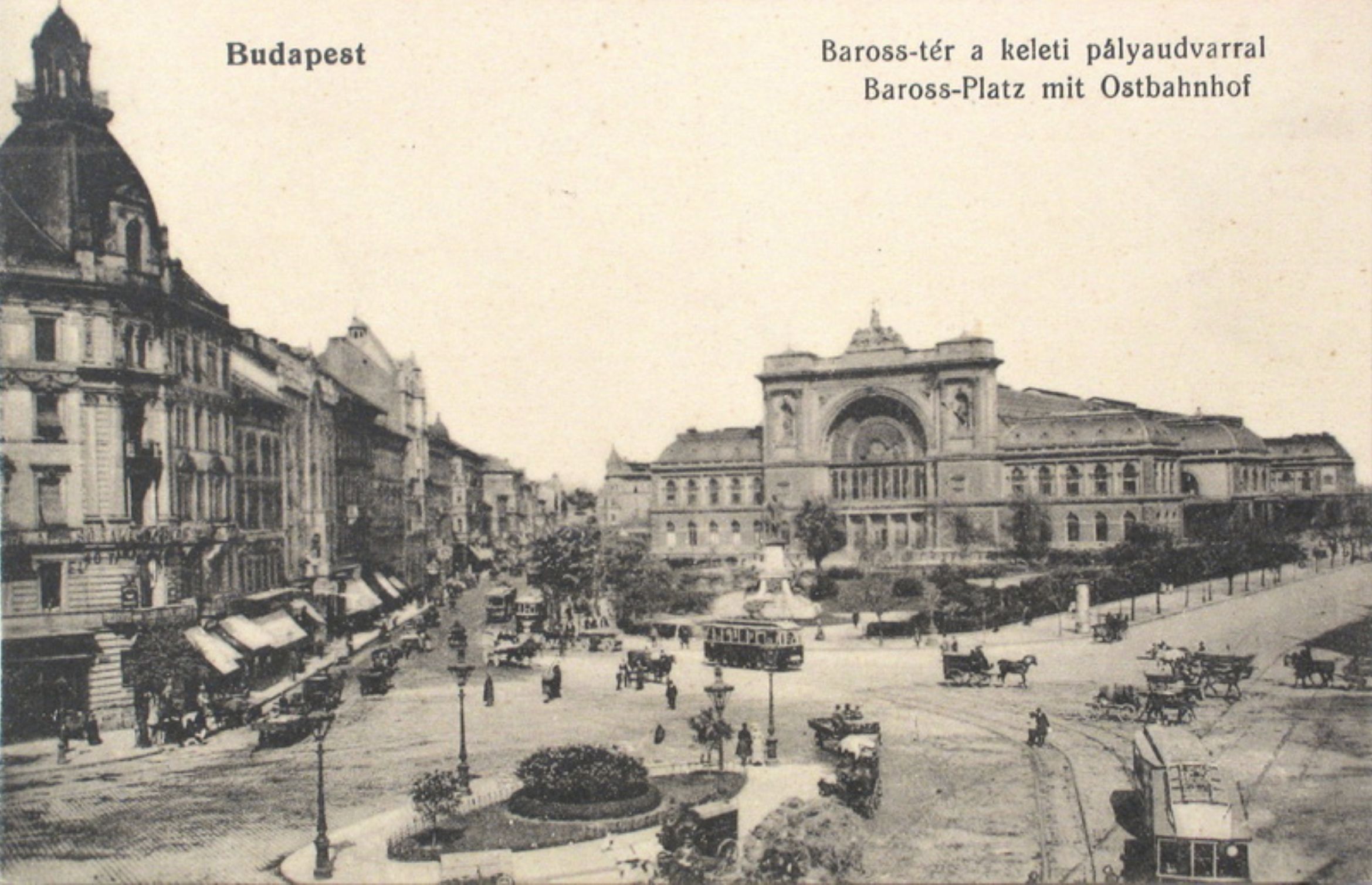
In front of the station's main entrance, at the centre of Baross Square, stands the monumental bronze statue of Baross Gábor (1848–1892), the station's namesake, forming an inseparable unity with the railway palace. Baross, known as the 'Iron Minister' for his exceptional work ethic and relentless reforms, modernised Hungary's entire infrastructure as Minister of Public Works and Transport: he nationalised the railways, introduced the zone tariff system, developed the port of Fiume, and regulated the Iron Gates. The former Central Station was renamed Keleti Railway Station in his honour in 1892, the year of his death.
The statue, created by sculptor Antal Szécsi and architect Ede Mayer, was originally unveiled in 1898 and is a classic historicist monument. The full-length bronze statue stands on a massive granite pedestal, depicting the politician in a confident, commanding pose, wearing contemporary ministerial regalia and holding his famous railway development documents in his right hand. The pedestal's side figures symbolise railway workers and engineering genius. Although the statue was relocated several times during metro construction and square renovations, it now stands in a dignified position directly in front of the main façade, welcoming travellers arriving via sustainable rail.
- Editorial content -
Other services
Sights, programs
All
Parking information
- Paid parking available