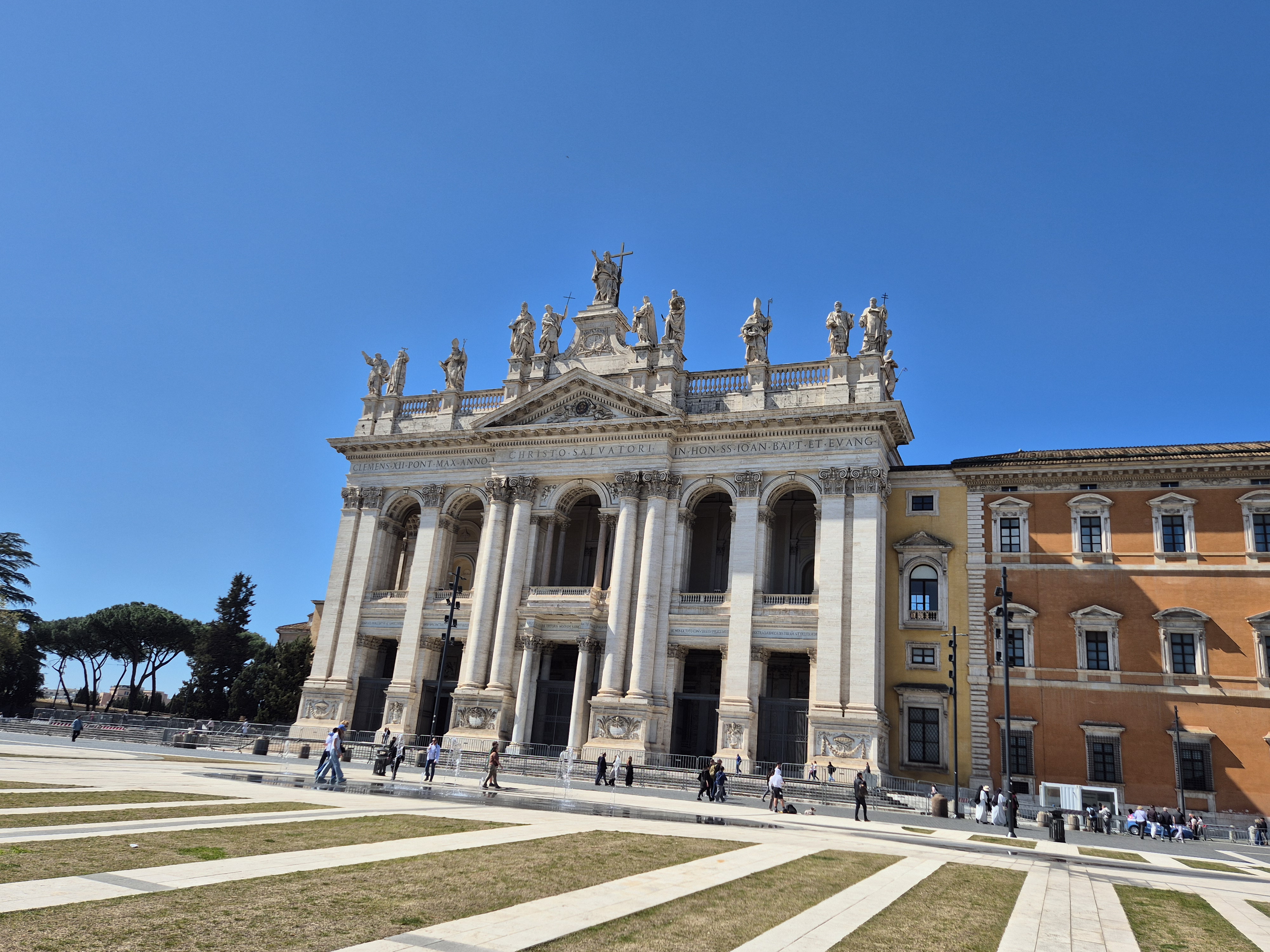

Róma
Rome is not just a travel destination; it is a universal cultural reference point that has shaped the face of Europe for millennia. The term “Eternal City” is no exaggeration: there are few places in the world where history is so densely and tangibly present in everyday life. Rome is a unique location where the joy of discovery is closely intertwined with the values of a responsible, conscious traveller.
The living fabric of history
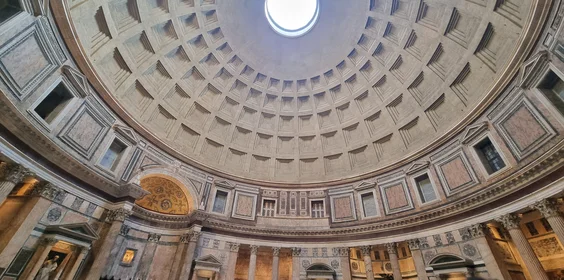
The essence of Rome lies in its layers. The city’s architectural landscape is like a vertical timeline, where the monumental ruins of the ancient empire, such as the Colosseum or the Roman Forum, naturally blend with the world of Renaissance palaces and Baroque squares. Walking here means treading among the foundations of Western civilisation: standing under the dome of the Pantheon, we see the same sky as the citizens of Hadrian’s time, and in the corridors of the Vatican Museums, we can touch the highest peaks of human creativity. Yet this heritage is not a static museum; the Romans proudly inhabit these spaces, breathing life into the millennia-old walls.
Tourism in the spirit of “La Dolce Vita”
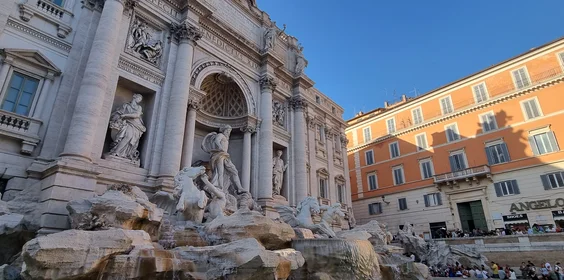
The city’s appeal lies in the balance between grandiose landmarks and smaller, more intimate experiences. While the sight of the Trevi Fountain or St Peter’s Basilica is awe-inspiring, the true essence of Rome is found in the narrow, cobblestoned streets, among the ivy-clad houses of Trastevere, or at the bustling Campo de’ Fiori market. Here, travellers can learn the art of “slow living”: sitting on a café terrace, observing the rhythm of the city is as much a part of the Roman experience as visiting museums. Modern tourism, however, is also seeking quieter paths; the view from the Janiculum Hill or the unique, suburban charm of the Garbatella district showcase an authentic Rome far from the crowds.
Sustainability in the spirit of eternity
Preserving and making such a vast cultural treasure liveable is a significant responsibility for both city management and visitors. Rome’s sustainability efforts have seen remarkable progress in recent years. One of the city’s most endearing and oldest eco-friendly solutions is its thousands of “nasoni” – distinctive drinking fountains – which provide free, fresh drinking water to everyone, drastically reducing the need for single-use plastic bottles.
For the conscious traveller, Rome now offers alternatives in transportation as well: the extensive electric bike and scooter network allows for emission-free access to distant points, such as the Appian Way Archaeological Park, one of the world’s largest and greenest open-air museums. Local gastronomy is also a pillar of sustainability, as Roman cuisine is rooted in the “kilometre zero” philosophy, respecting seasonal ingredients from nearby farmers. Those who visit Rome outside the peak season and explore the city while respecting local values not only gain a once-in-a-lifetime experience but also contribute to ensuring that this unparalleled heritage remains “eternal” for generations to come.
- editorial content -
Getting there
- Bike
- Electric bicycle
- Railway
- Bus (rented for the trip)
- Tramtrain / HÉV
- Bus (rented for the trip)
- Motorcycle
- Car
- Electric car
- Airplane
Arrival
- Walk
- Bike
- Electric bicycle
- Public bus transportation
- Bus (rented for the trip)
- Motorcycle
- Car
- Tram
- Metro
- Tramtrain / HÉV
Sights, programs
All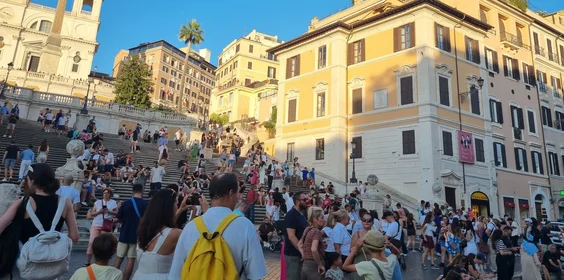
What will you find here?
Public transport
In the spirit of sustainability and convenience, Rome boasts an excellent public transport network consisting of buses, trams, and three metro lines (A, B, C). Thanks to the modern “Tap & Go” system, there is no longer a need for paper tickets; simply tap your contactless bank card or smart device at metro gates and terminals on vehicles. If you are staying longer, consider 24, 48, or 72-hour tourist passes, which offer unlimited travel within the city limits. For planning schedules, real-time service updates, and digital ticket purchases, we recommend the following official sources: Official website (ATAC): https://www.atac.roma.it Types of tickets and passes: https://www.atac.roma.it/en/tickets-and-passes Official app: ATAC Roma App (available on the App Store and Google Play).
- railway
- bus
- tramtrain / HÉV
Parking information
In the spirit of sustainable transport, exploring Rome is best done on foot or via public transport, as much of the historic city centre is a restricted traffic zone (ZTL), where entry without a permit is prohibited. If you do arrive by car, it is advisable to use the “Park & Ride” facilities in the outer districts or the blue-marked paid parking zones, where fees and time limits vary depending on the time of day. For official parking information, zone maps, and tariffs, visit the Rome mobility agency’s website: https://www.romamobilita.it