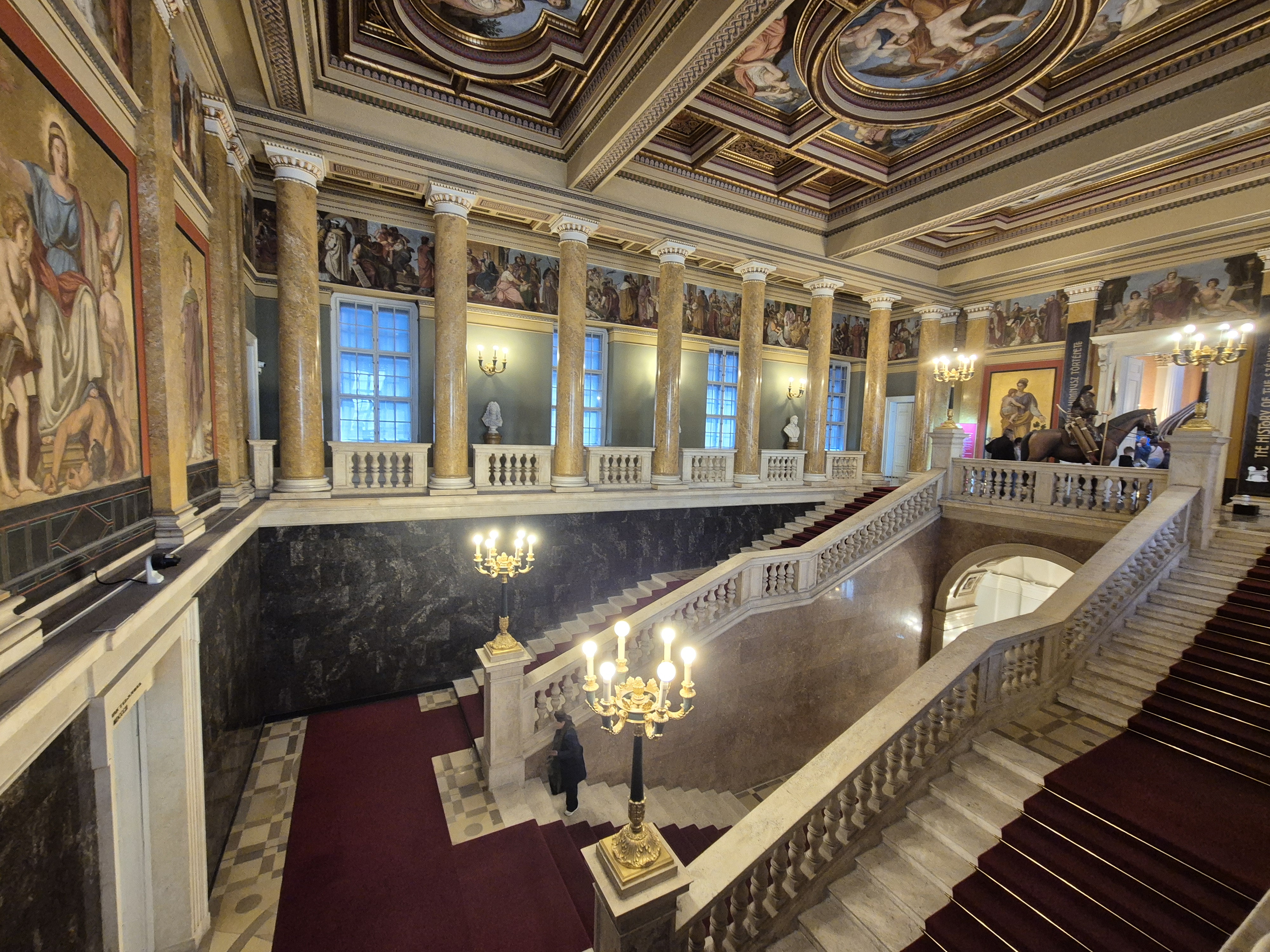
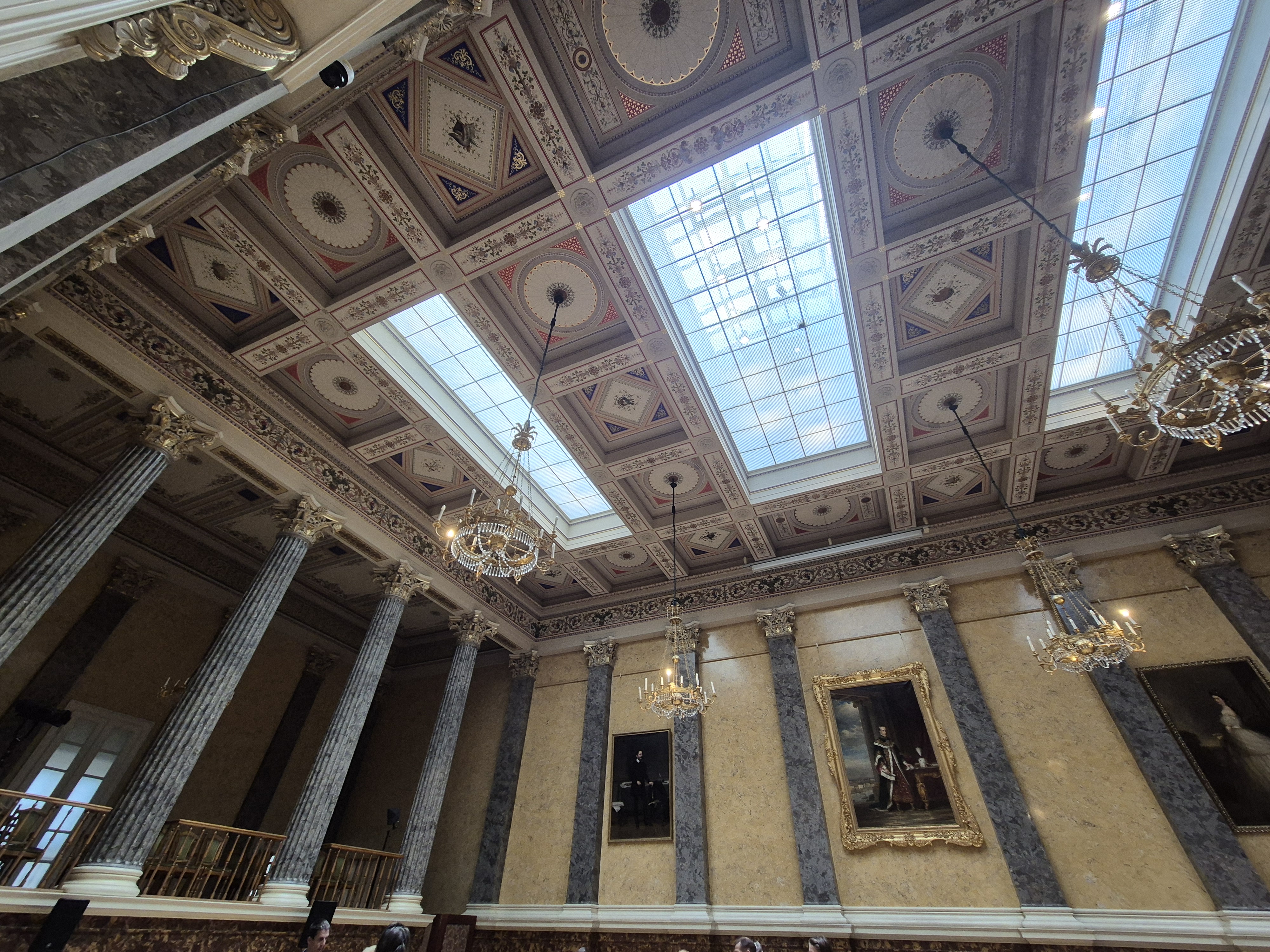
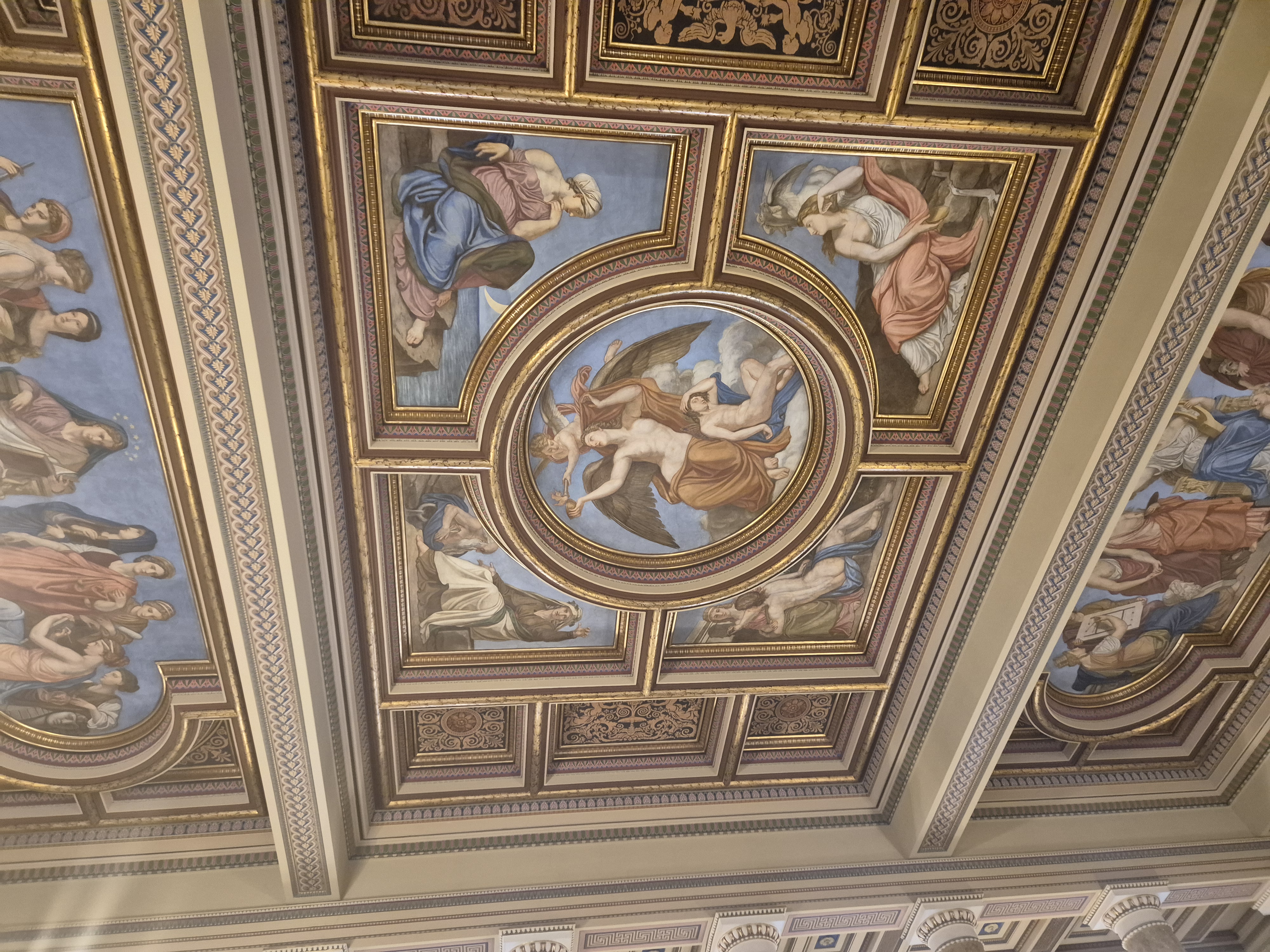
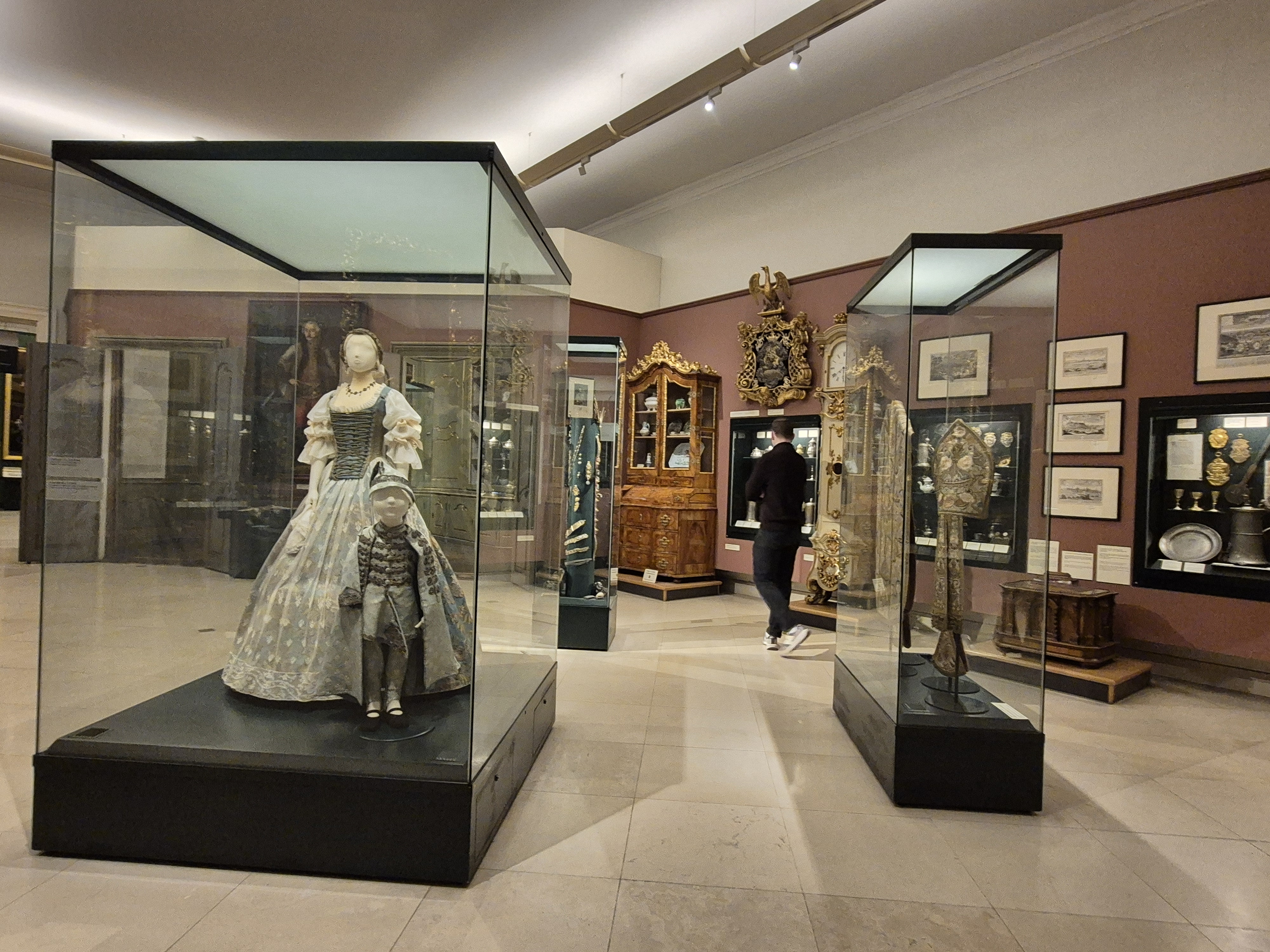


Hungarian National Museum
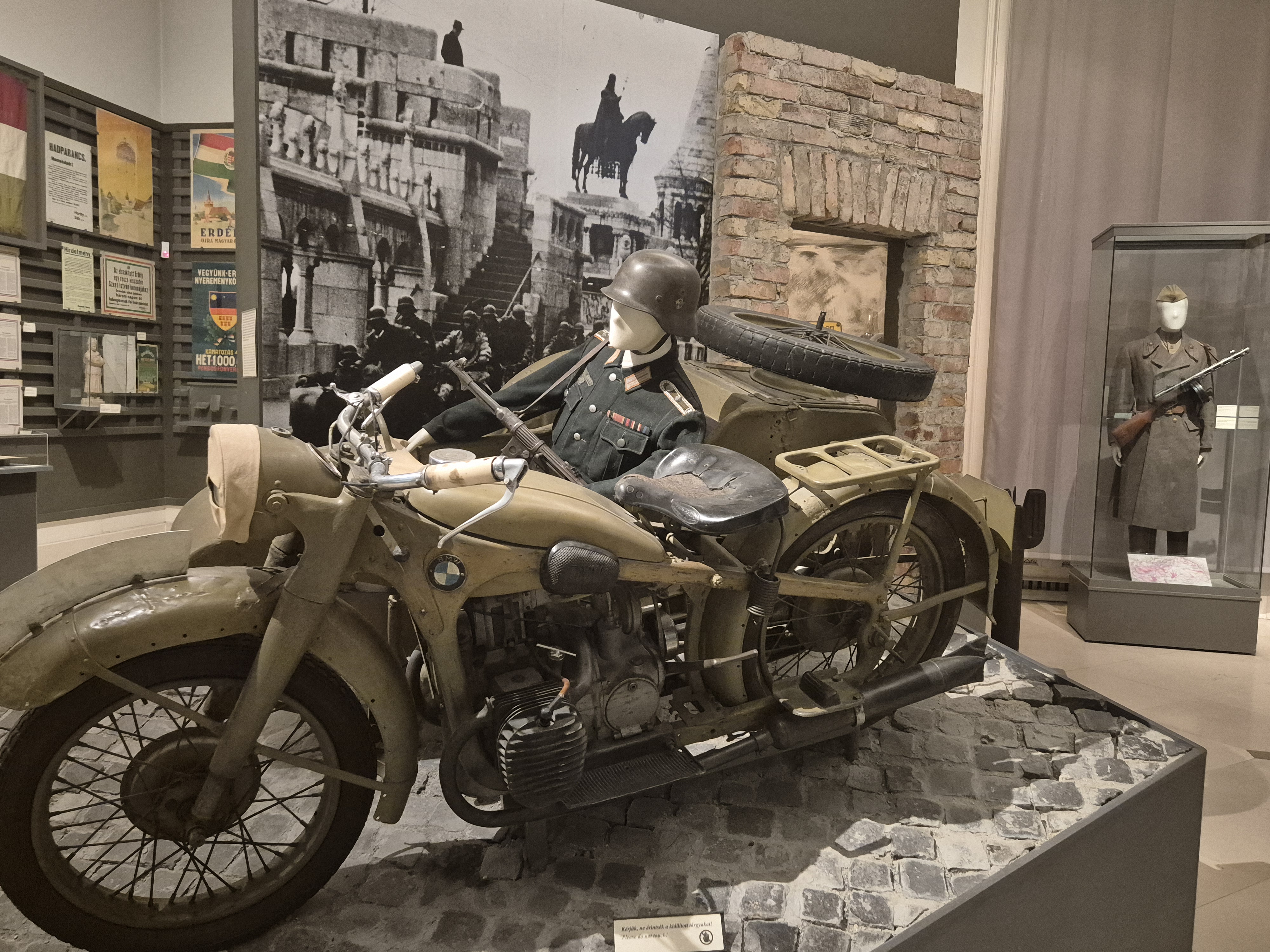
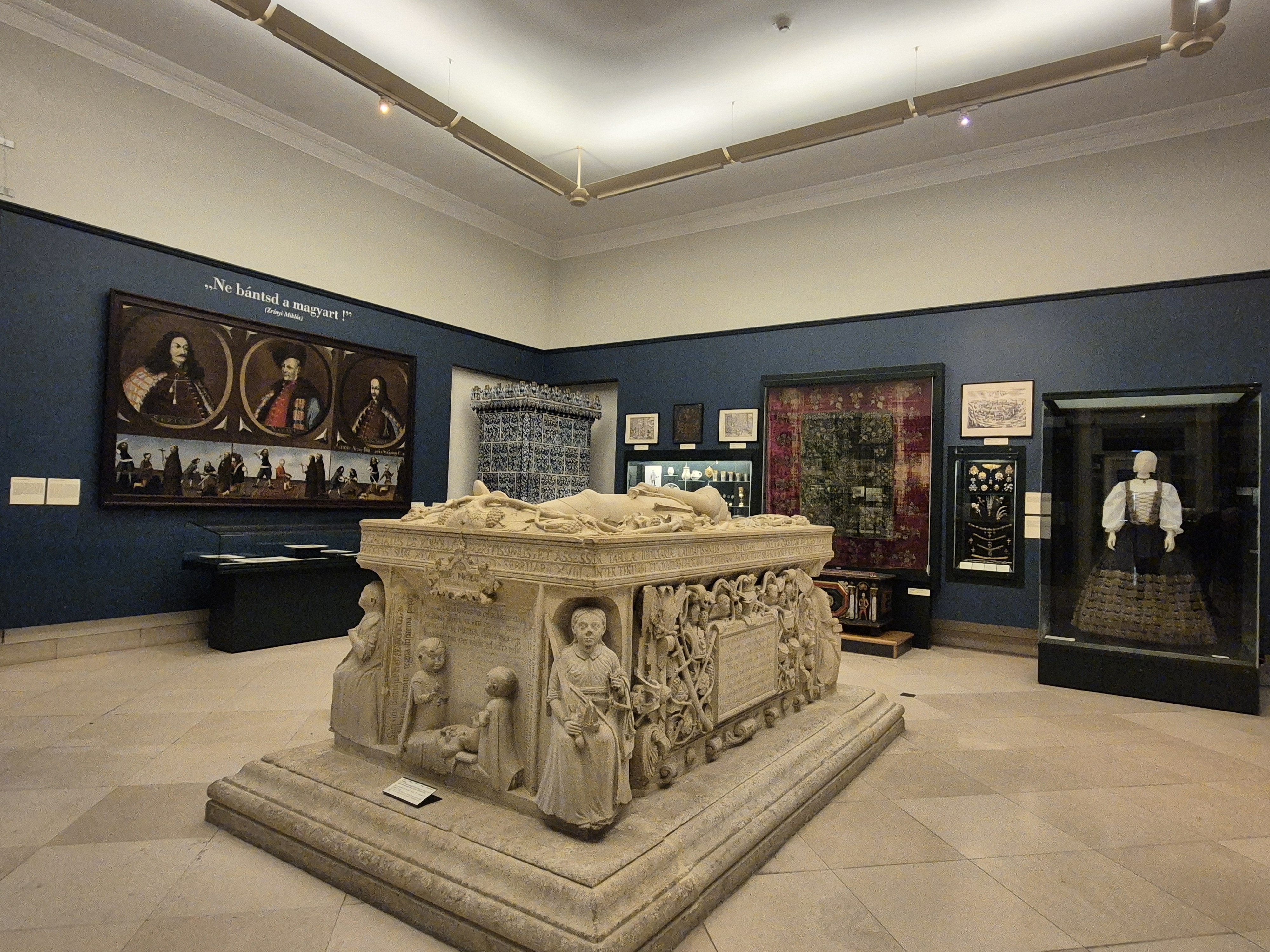
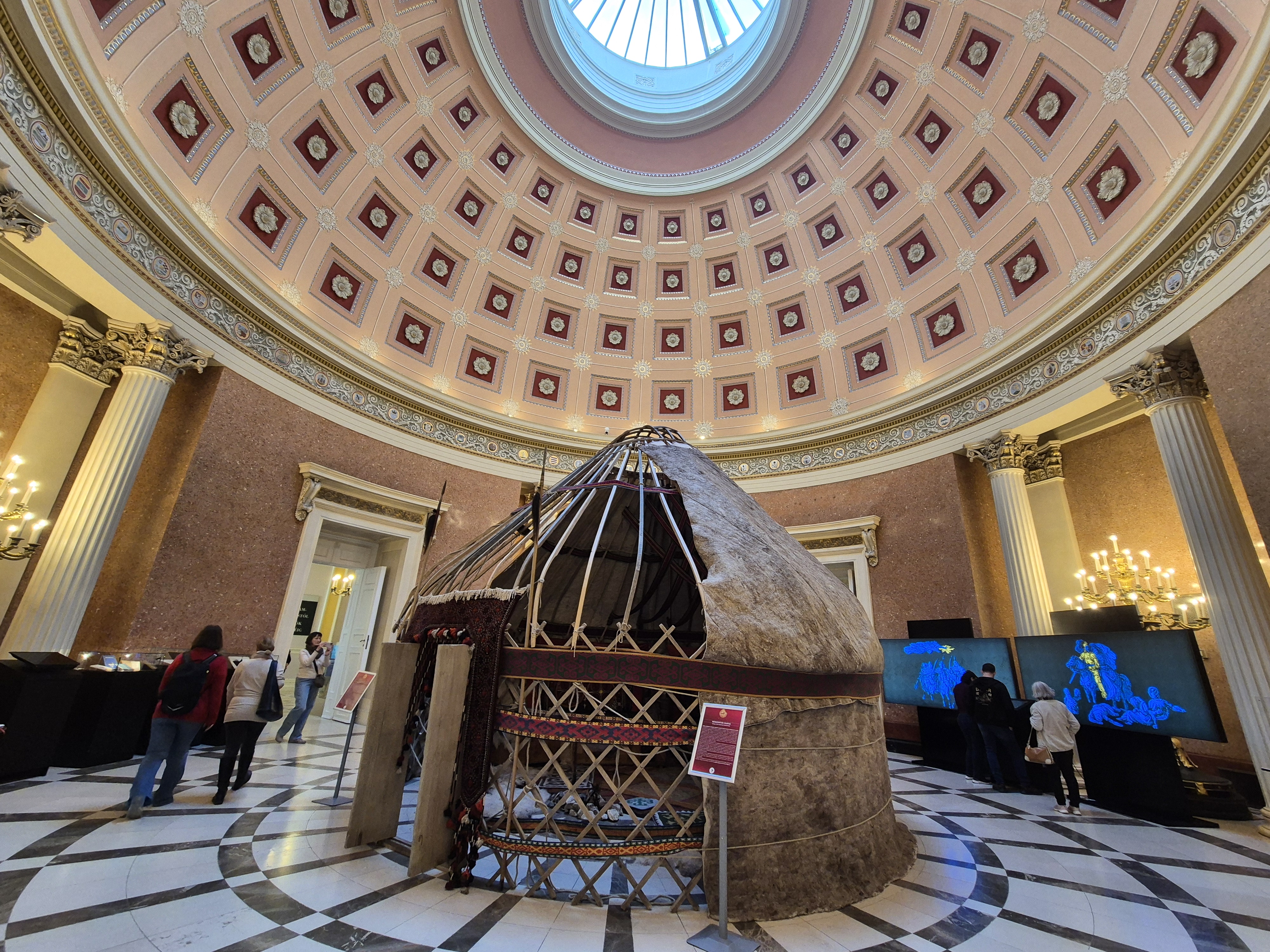
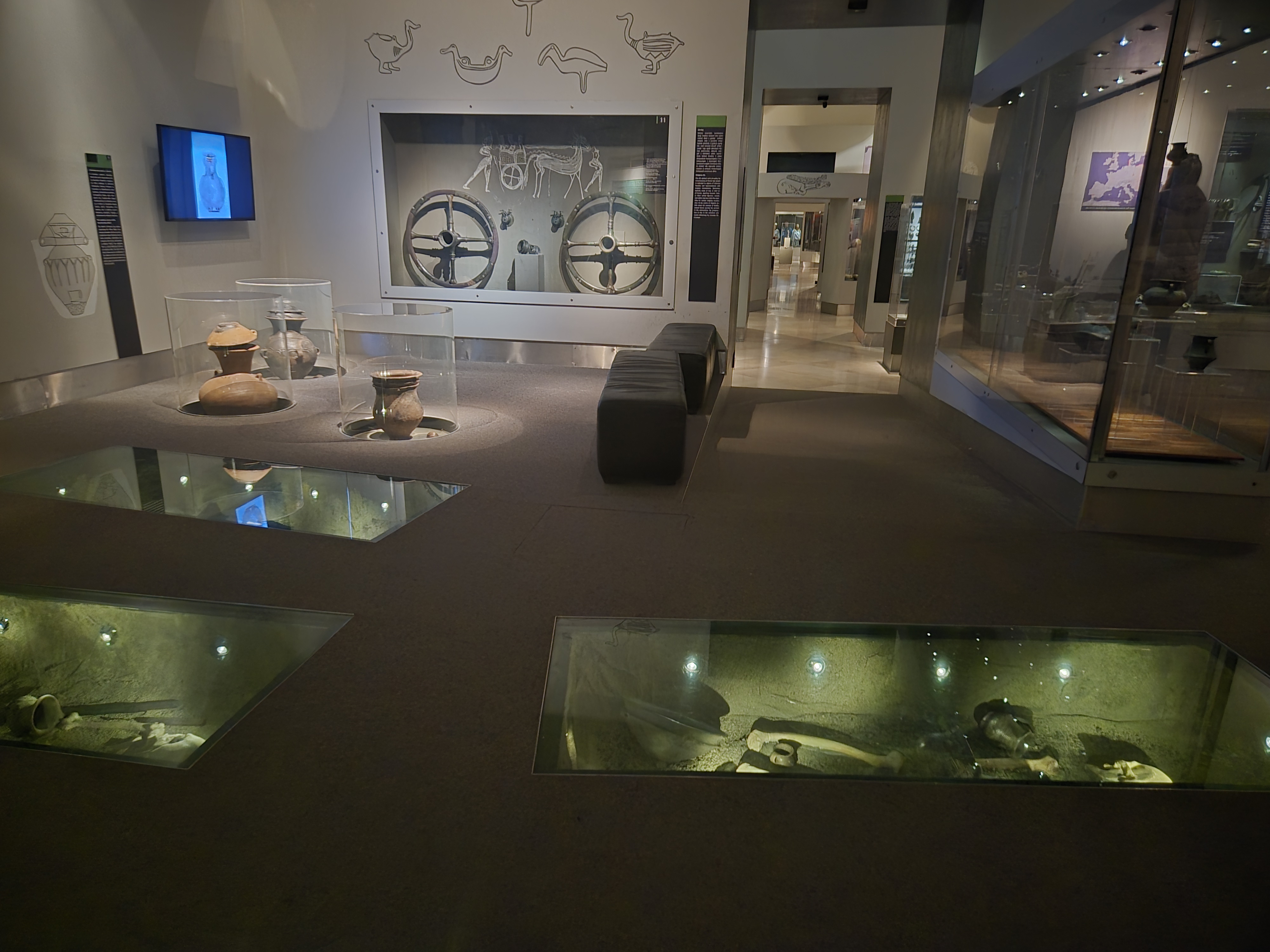
The National Museum is much more than just an exhibition space: it is one of the central sites of Hungarian historical memory. During the 1848–49 revolution and war of independence, the square in front of the museum and the Museum Garden were important political and community venues, and later the building also housed the upper house of parliament. Today, the museum symbolises the preservation of national heritage, the transmission of historical knowledge, and the nurturing of collective memory.
- SZÉP card accepted
- Cash
- Bank card accepted
- Paid parking available
The history of the Hungarian National Museum began in 1802, when Count Ferenc Széchényi (pictured) donated his books, manuscripts, maps, coin collection, and other treasures to the Hungarian nation. The 1808 parliamentary law already provided for the establishment of a national museum, and the institution grew rapidly in the first half of the 19th century. The current neoclassical building, designed by Mihály Pollack, was constructed between 1837 and 1847 and soon became a worthy home for the collections.


Iconic figures in the museum's history
The Hungarian National Museum is connected to several key historical figures. Its founder, Count Ferenc Széchényi, donated his personal collection to the Hungarian nation in 1802, laying the foundation for the museum. The building was designed by Mihály Pollack, one of the most renowned figures of 19th-century Hungarian neoclassical architecture (pictured). The museum is also closely associated with Sándor Petőfi, Hungary's most famous revolutionary poet, as the Museum Garden became a symbolic site of the 1848 revolution. Scholars and museologists such as Ágoston Kubinyi, Ferenc Pulszky, and Flóris Rómer also played significant roles in preserving Hungary's historical and cultural heritage.

Images from the museum's history


Museum experiences
The Hungarian National Museum is for those who not only want to see but also understand Hungary's past. Exhibitions, guided tours, thematic museum routes, digital databases, and online collections together bring the place to life. The museum is both a solemn and welcoming space: a place where history is not a distant subject but can become a personal experience.


Connecting to sustainable tourism
The Hungarian National Museum is also a key site for sustainable urban tourism. It is exceptionally well-connected by public transport, easily accessible by bicycle, and offers barrier-free routes and family-friendly solutions to enhance visits. Digital databases and online collections provide broader access to cultural heritage, while the museum engages with current social and environmental issues through community archaeology programmes and exhibitions highlighting the dangers of climate change. From the perspective of sustainable tourism, the museum aligns well with the practices of responsible, conscious, and inclusive cultural travel.
- editorial content -

Target group
-
Class trips
-
Families with younger children
-
Families with older children
-
Multigenerational programs
-
Friends
-
Seniors
-
Couples
Other services
Sights, programs
All
Parking information
- Paid parking available