

Museum of Fine Arts
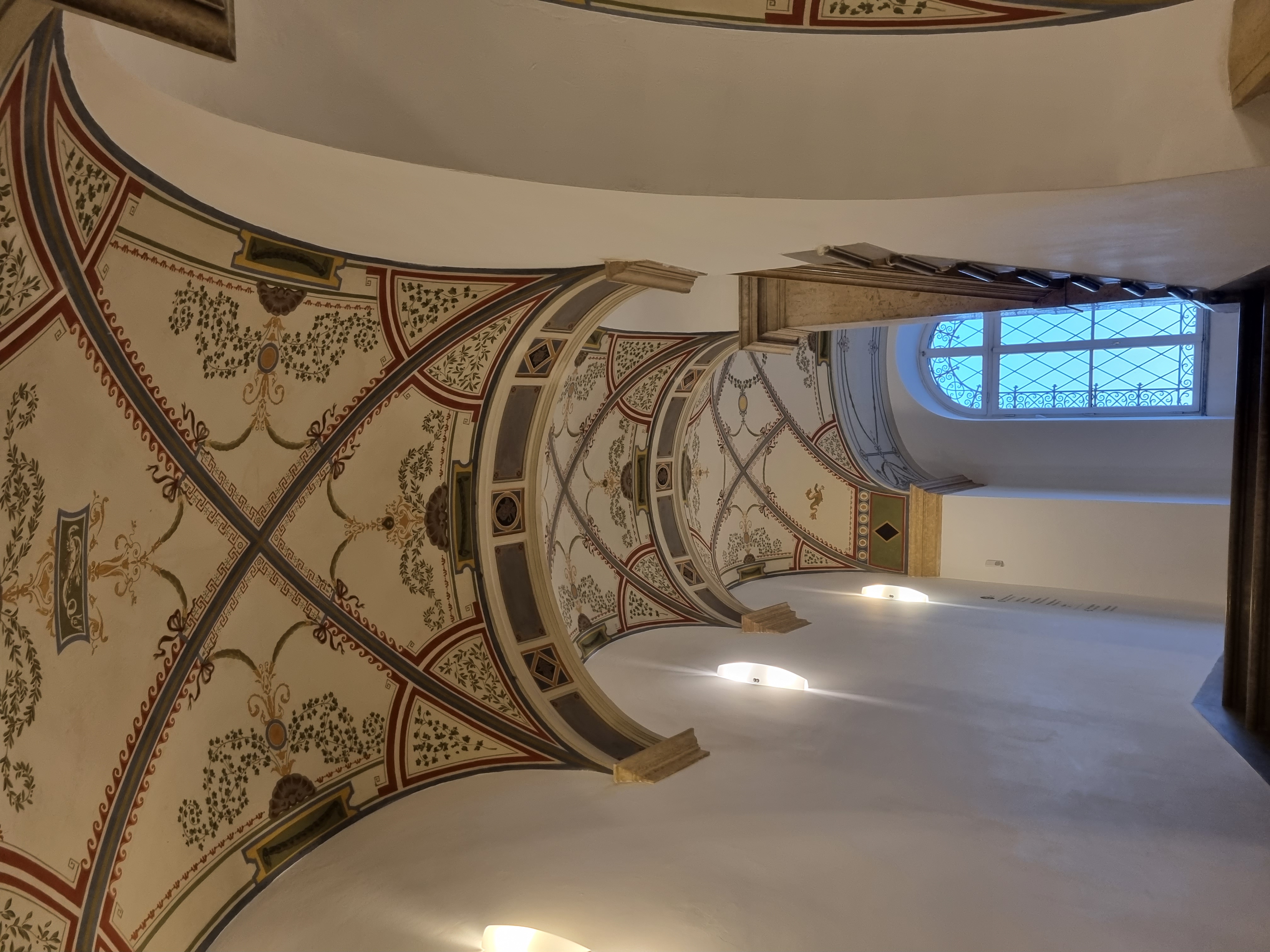
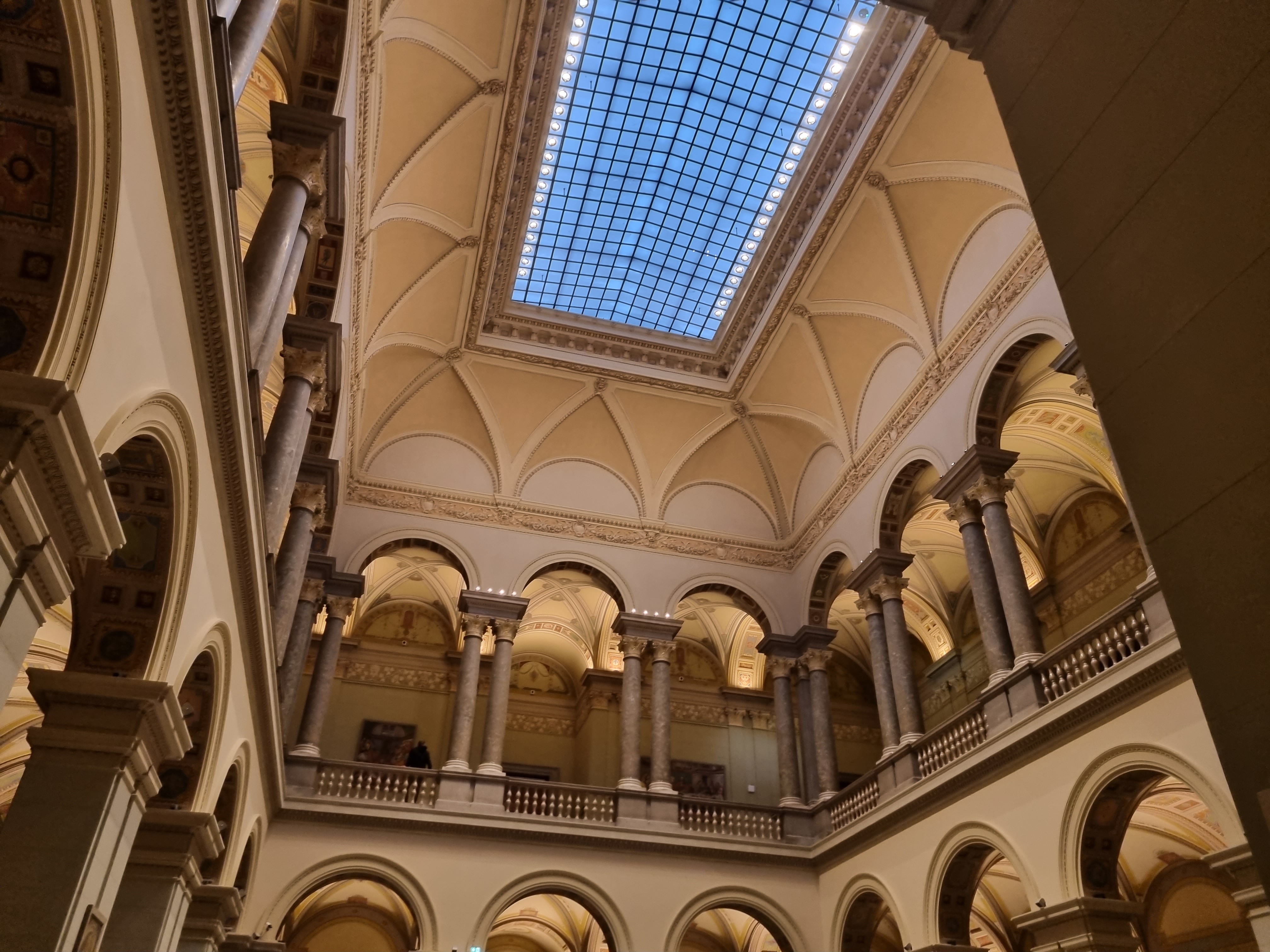
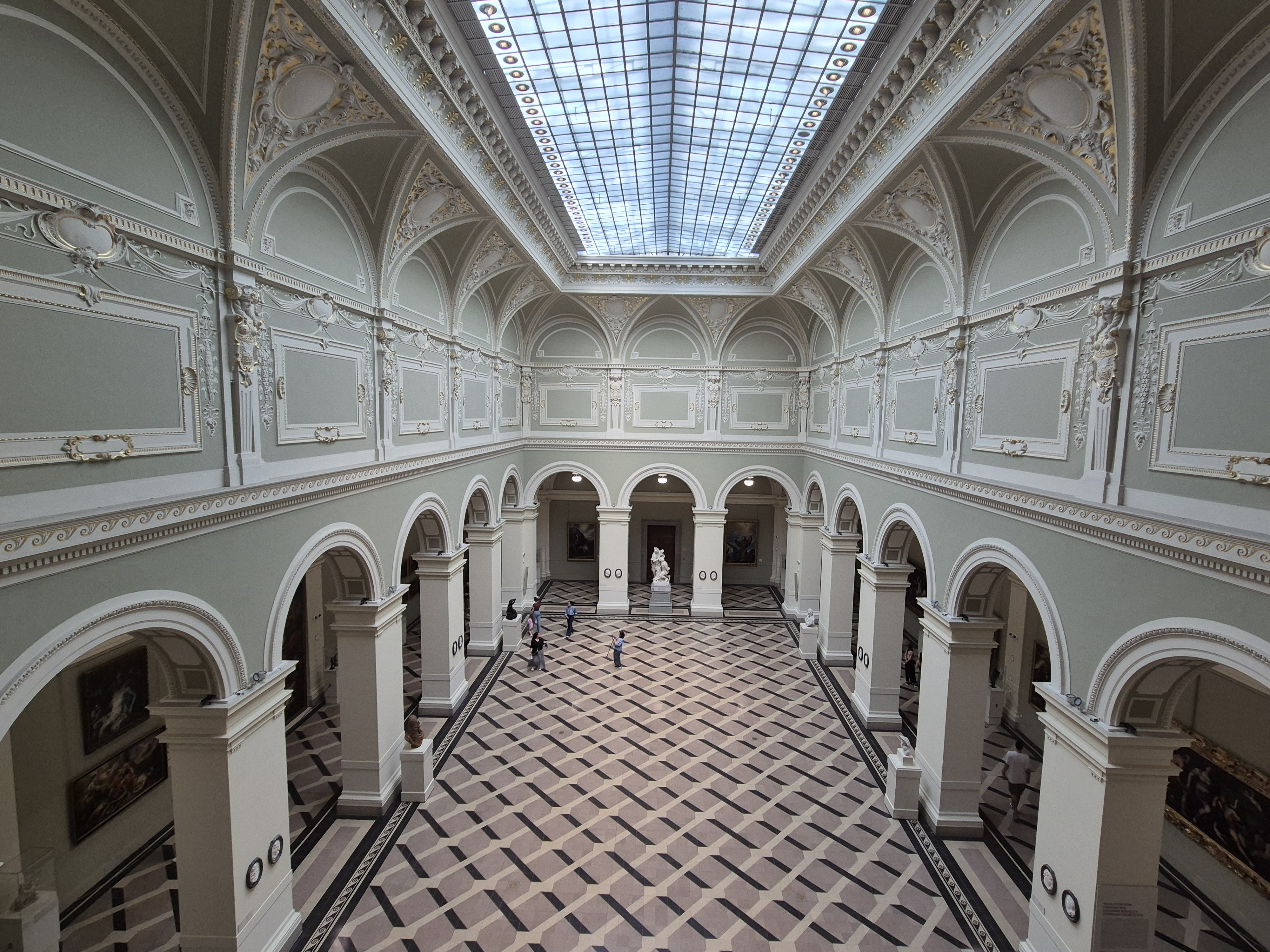
The Museum of Fine Arts, located on Heroes' Square, is one of Hungary's most important art institutions. It is a place where the relics of ancient civilisations, the works of European old masters, and the early chapters of Hungary's artistic heritage come to life under one roof, engaging in dialogue with one another. The museum is simultaneously an architectural landmark, a cultural reference point, and an experience that enriches a visit to Budapest with deeper historical and artistic significance.
- SZÉP card accepted
- Cash
- Electric car charging
- Bank card accepted
- Paid parking available
- Electric car charging available (paid)
The History of the Museum of Fine Arts
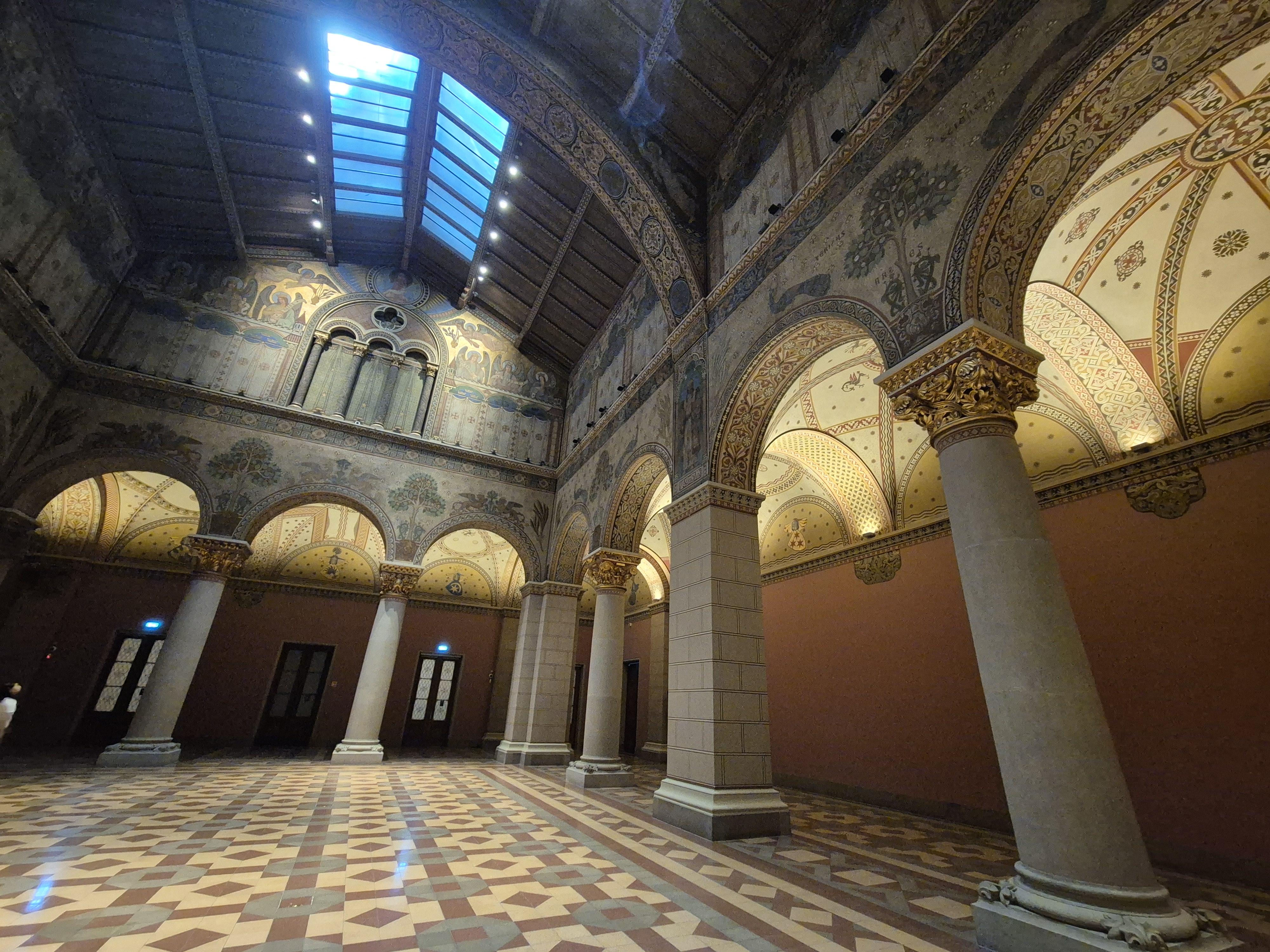
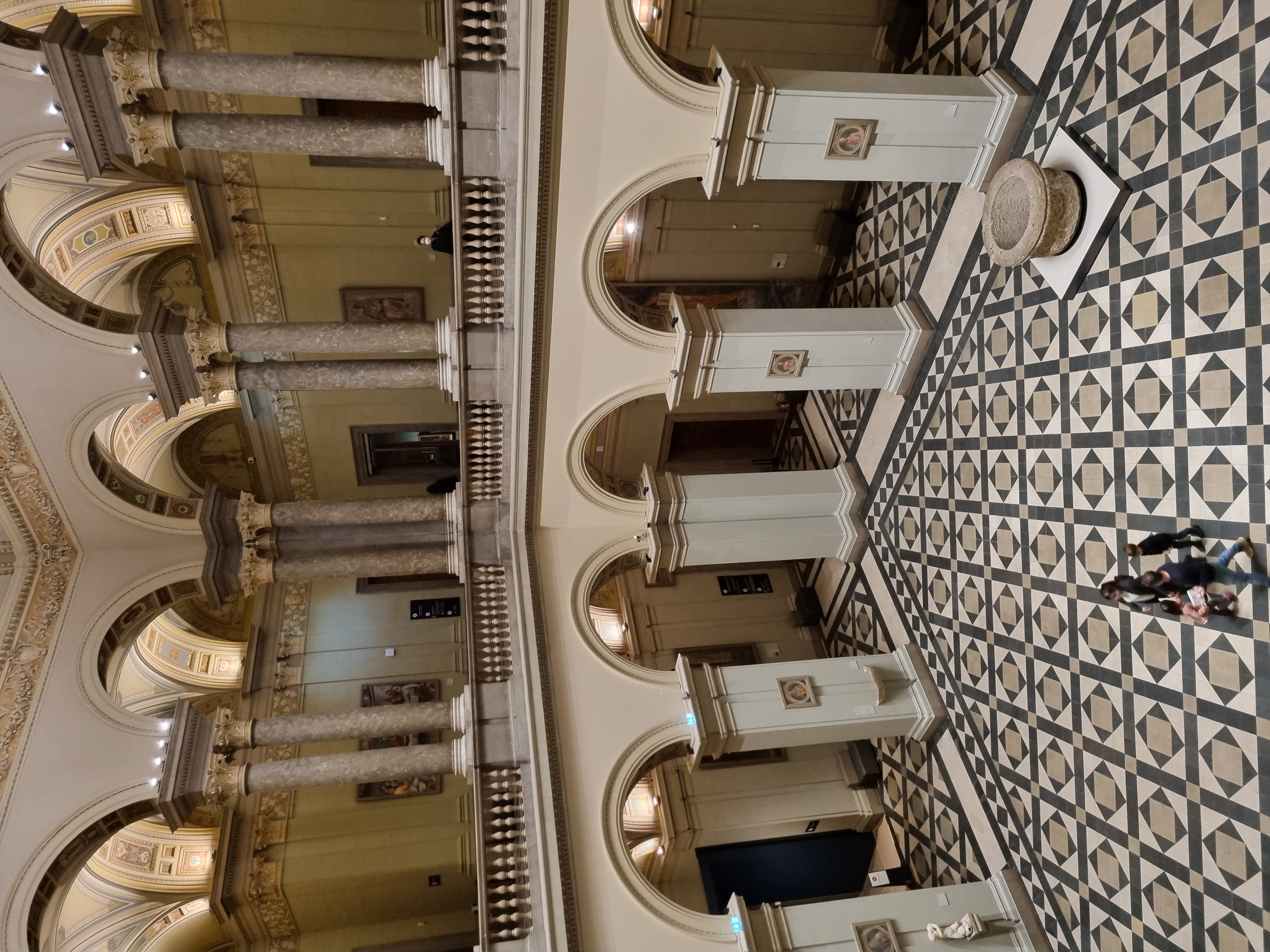
The creation of the museum was decreed by the Millennium Act of 1896. The building, designed by Albert Schickedanz and Fülöp Ferenc Herzog, was inaugurated on 1 December 1906 in the presence of Emperor Franz Joseph and opened to the public a few days later. During the comprehensive reconstruction completed in 2018, the historical spaces were restored, the building's technical systems were modernised, and new visitor and storage areas were created, allowing the museum to preserve its historical character while becoming a modern 21st-century institution.

What Makes It Special?
The greatest asset of the Museum of Fine Arts lies in the diversity of its collections and its international prestige. The Egyptian collection comprises around 4,000 artefacts, making it one of the richest of its kind in Central and Eastern Europe. The Old Master Gallery houses nearly 3,000 paintings, with a particular strength in Italian masters, including works by Raphael, Giorgione, Titian, and Tintoretto. Meanwhile, the Old Hungarian Collection traces the early history of Hungarian art from the 11th century to 1800 through paintings, sculptures, and architectural relics.

Permanent Exhibitions
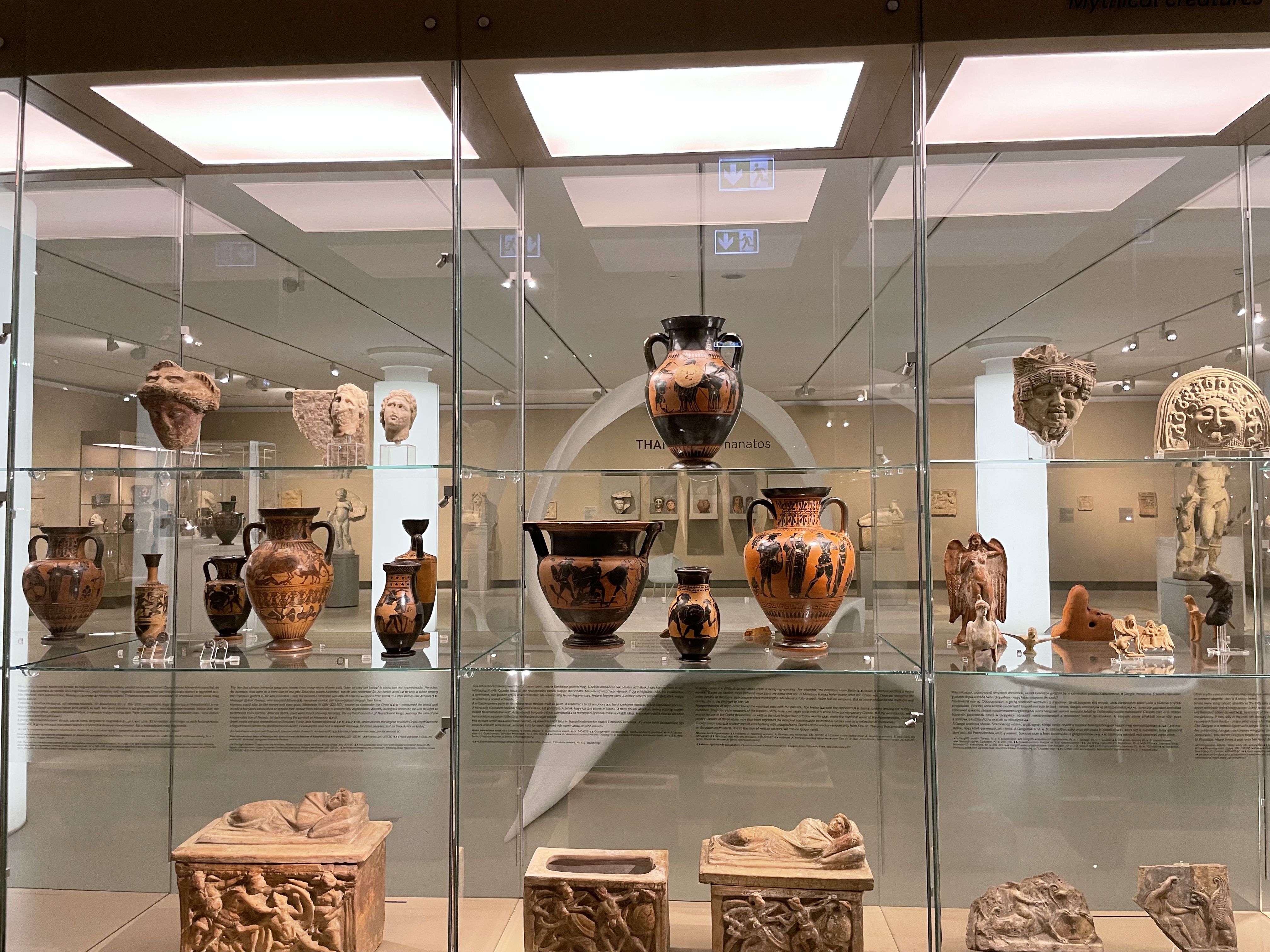
The permanent exhibitions present a clear and coherent narrative of art history. The Ancient Egypt exhibition features over 500 artefacts, bringing to life the daily life, religious practices, and funerary culture of a great civilisation. The Classical Antiquity exhibition showcases the Greek and Roman heritage, while the museum's European art collections cover the period from 1250 to 1800, divided into three major epochs. This is complemented by the display of European sculpture from 1350 to 1800 and the permanent exhibition Variations on Baroque – Art in Hungary 1600–1800, which places Hungarian Baroque art in an international context.

Role in Sustainable Tourism
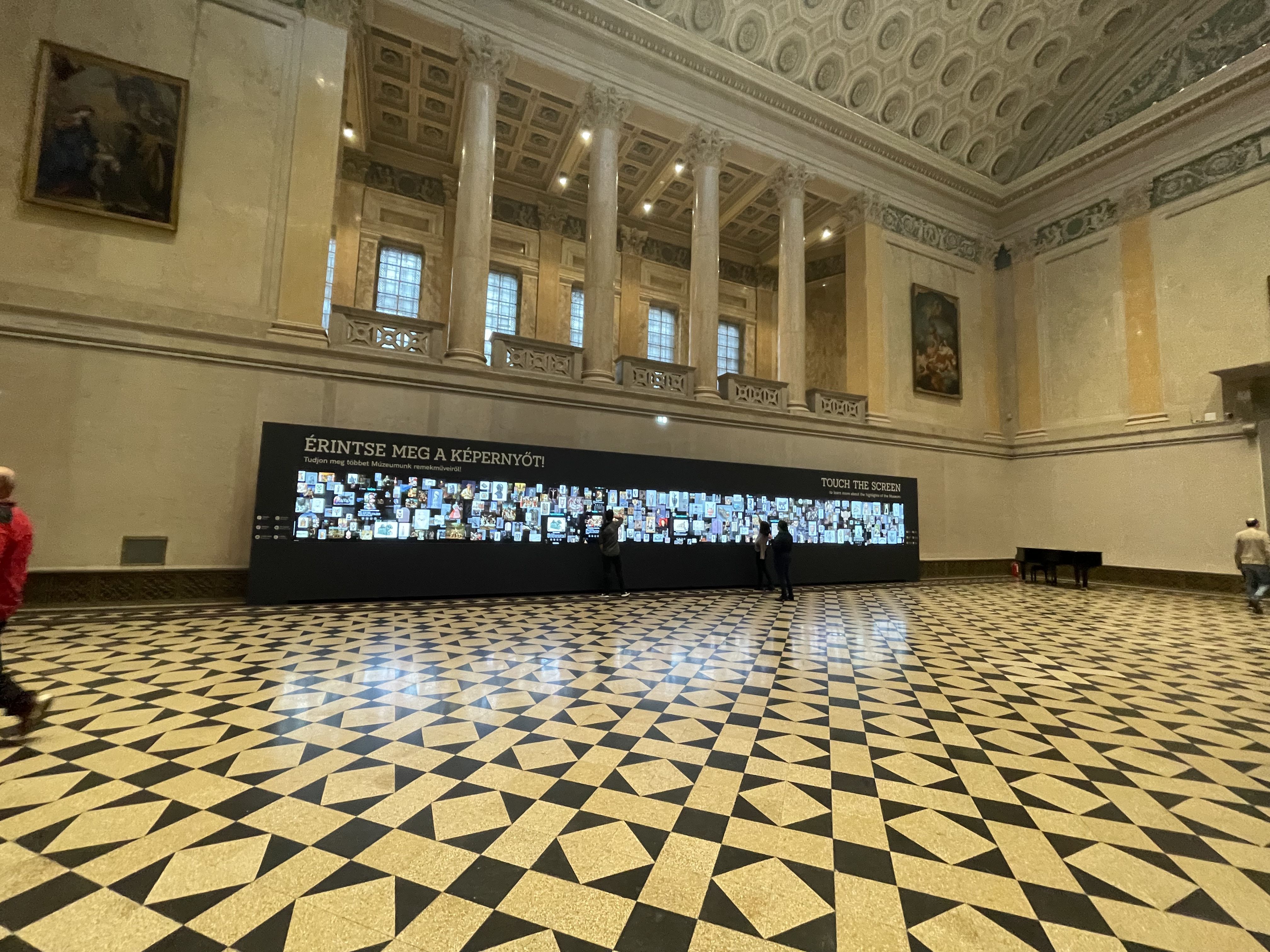
The Museum of Fine Arts is also a key location in Budapest for sustainable tourism. The renovation, which focused on preserving the historical building and adapting it for modern use, received the Europa Nostra award, demonstrating the institution's long-term commitment to cultural heritage preservation. The museum is easily accessible by public transport, directly connected to the M1 metro line, several bus and trolleybus routes, and offers barrier-free access. Additionally, the Museum and Slow and Slow Looking programmes encourage a slower, more immersive engagement with art, while digital content and materials accessible via QR codes enhance the modern, inclusive visitor experience. Thus, the museum is not only a tourist attraction but also a responsible, accessible, and value-driven cultural destination.
- Editorial Content -

Target group
-
Class trips
-
Families with younger children
-
Families with older children
-
Multigenerational programs
-
Friends
-
Seniors
-
Couples
Other services
Sights, programs
All
Parking information
- Paid parking available
- Electric car charging available (paid)