40 results
Sort:
-
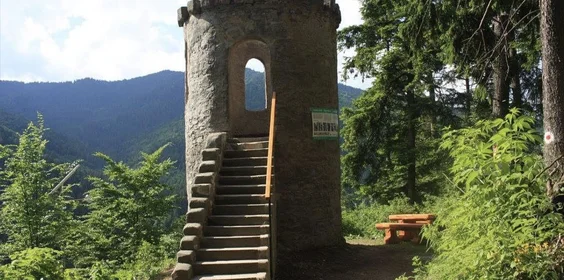
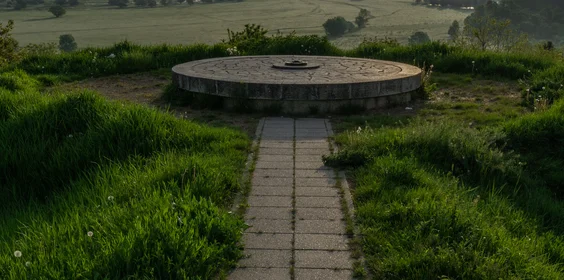
Apor Bastion Towering above Băile Tușnad, on the slopes of Szurdok-tető, stands the picturesque Apor Bastion, which serves not only as a lookout point but also as a cultural landmark, playing an important role in the life of the region. Built in 1883, at the end of the 19th century, the structure was realised at the initiative of Baron Károly Apor, with the aim of providing a resting and viewing point for spa visitors – thus, the bastion never served a military purpose. Románia, 535100 Băile Tușnad, Aleea Sfânta Ana 19
-
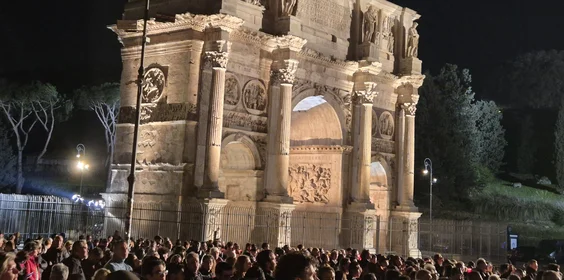
Arch of Constantine Standing right next to the Colosseum, this is Rome's largest and best-preserved triumphal arch. The monumental three-arched gateway not only commemorates a victorious battle but also marks a turning point in history: it is the last major structure erected by the Roman Empire, still following pagan rituals but already at the dawn of Christianity. Olaszország, 00184 Roma, Piazza del Colosseo
-
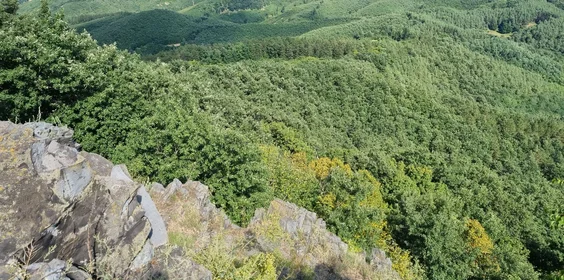
Bárna – Nagy-kő The 519-meter-high Nagy-kő is a locally significant protected natural area easily accessible from the village of Bárna. Hikers can reach the summit via the blue trail through the scenic Zához Valley or along the blue triangle route.
-
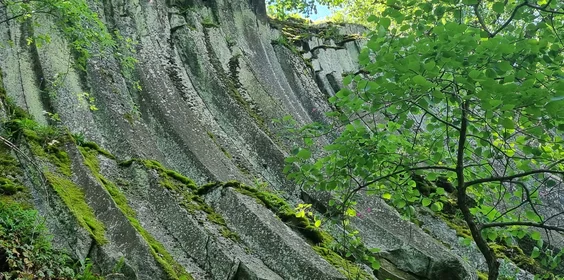
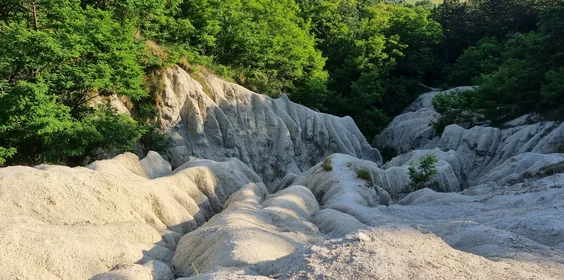
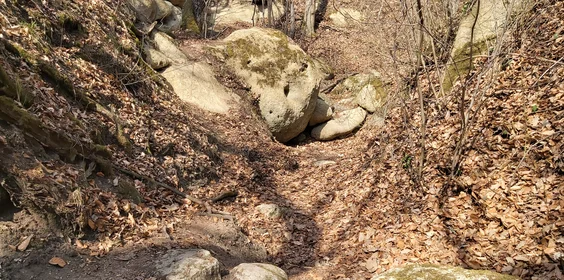
Bér Andesite Slide and Stone Sea Located near the village of Bér in Nógrád County, the so-called "basalt slide" and stone sea are, in fact, impressive andesite formations—remnants of intense volcanic activity that shaped this region around 15–16 million years ago. Over time, lava from Miocene eruptions solidified into hard andesite rock, which later fractured and shifted, creating dramatic rockslides and chaotic boulder fields across the hillside.
-
Bér Andesite Slide and Stone Sea Nestled among the hills of the Cserhát region, near the village of Bér, lies one of the most spectacular and scientifically significant sites of the Novohrad-Nógrád Geopark. The unique rock formation, known as the 'andesite slide,' offers excitement not only for geologists but also provides a breathtaking sight for nature enthusiasts. Magyarország, 3045 Bér
-
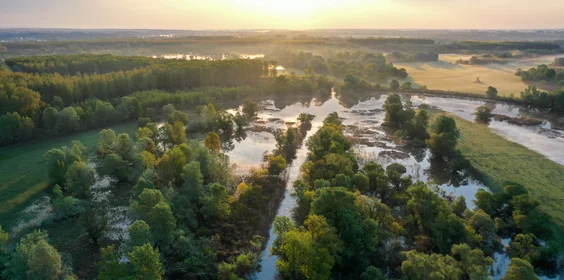
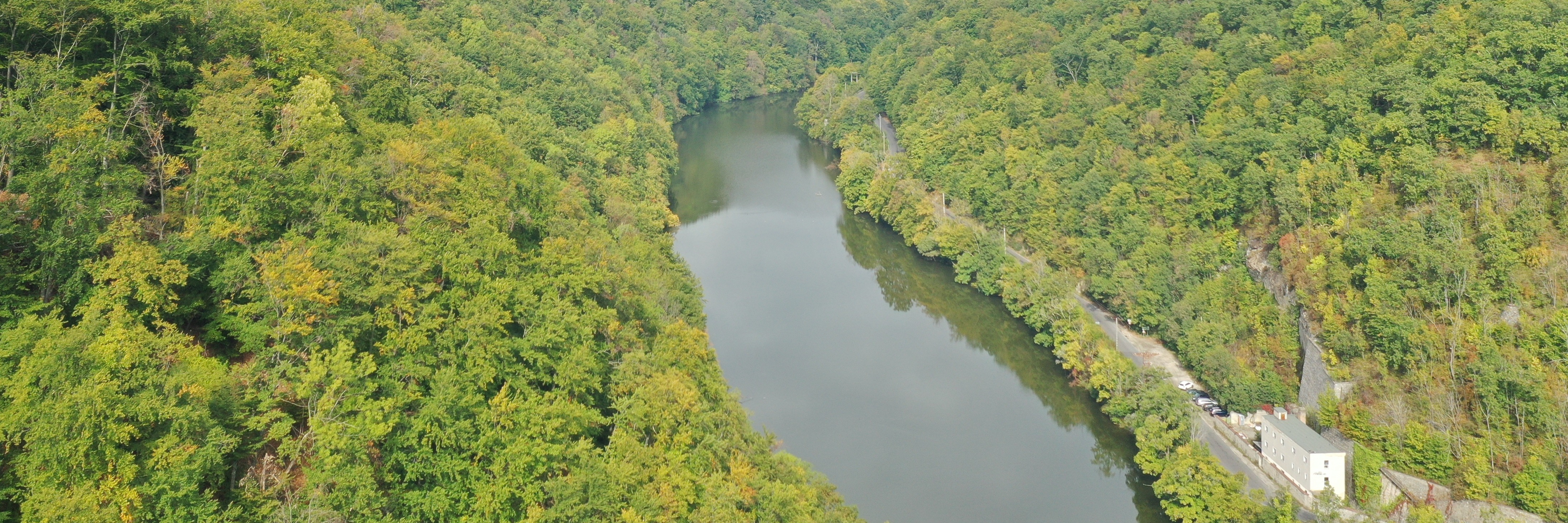
Bodrog river - a Living River, Floodplain Heritage and Sustainable Water-Based Experiences The Bodrog river is one of the most distinctive floodplain rivers of the Carpathian Basin, shaping the everyday life of communities along its banks for centuries. Settlement patterns, transport routes and traditional livelihoods have long adapted to the river’s water regime: older village centres were typically established on higher ground to avoid floods, while floodplain meadows, gallery forests and oxbow lakes formed a diverse and dynamic landscape closer to the river. The Bodrog represented not only a challenge, but also a vital resource. Its fish-rich waters, riverside orchards and meadows, and its humid microclimate contributed to local livelihoods and, in several areas, indirectly supported the unique climatic conditions of the Tokaj wine region. Hungary, 3916 Bodrogkeresztúr, Kossuth utca 16
-
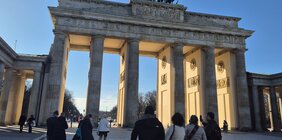
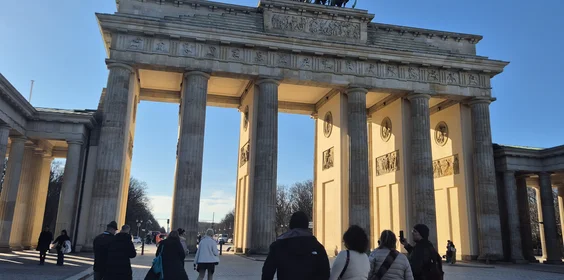
Brandenburg Gate The Brandenburg Gate is one of Berlin's most recognisable landmarks: it serves as a city gate, a historical monument, and a symbol of modern Germany's reunification. It stands on Pariser Platz at the western end of Unter den Linden boulevard, on the axis leading towards Tiergarten. The gate's appearance is iconic both day and night; walking beneath it is a quintessential 'Berlin experience' that requires no entry ticket and fits well into pedestrian sightseeing routes. Németország, 10117 Berlin, Mitte, Pariser Platz
-
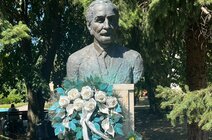
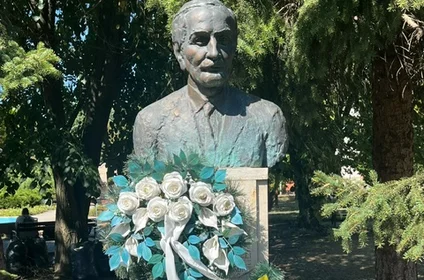
Bust of Dr László Hidasi Dr László Hidasi worked as a village doctor in Gádoros for 42 years. He was one of those rare individuals who dedicated his life to his profession. On 24 November 1962, upon his retirement, his work was honoured with a beautiful village ceremony. In 1991, the local council named a street after him. In 1993, to mark the 100th anniversary of his birth, the local community initiated the renaming of the square in front of the town hall to Dr László Hidasi Memorial Park by the local council, and a bust created by sculptor Béla Tóth was erected in the park. The bust faces the medical practice where he worked and lived with his family. Magyarország, 5932 Gádoros, Doktor Hidasi László utca
-
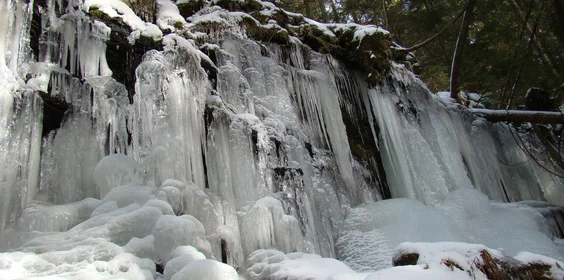
Csorgókő Waterfall The Csorgókő Waterfall (in Romanian, Cascada Csorgókő) is one of the most famous natural attractions in Székelyvarság. Hidden in a valley covered with pine forests, at the meeting point of the Gurghiu Mountains and the Harghita Mountains, this picturesque cascade is fed by crystal-clear, ice-cold spring water. The waterfall is not only a spectacular natural formation but also a symbol of untouched nature for locals and visitors alike. Románia, 537350 Székelyvarság
-
Diatreme of Tachty A diatreme is a unique geological formation of volcanic origin. It forms when gas-rich magma from the deeper layers of the Earth suddenly and explosively erupts toward the surface. Szlovákia, 980 34 Tajti
-
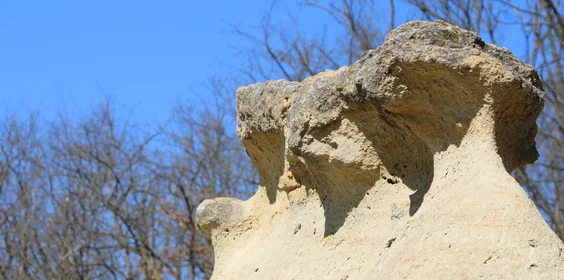
Dragon Rock (Sárkányszikla) of Nemti – Legends Carved in Stone The Dragon Rock, or Sárkányszikla, is a striking natural sandstone formation located near the village of Nemti, within the Novohrad–Nógrád Geopark. This unique site holds both geological and cultural value, attracting nature lovers and legend seekers alike. -
Geist Promenade and Families' Island The Varrodai Lake is located in the heart of Kondoros, making it a popular spot for evening strolls. Joggers, cyclists, and dog walkers often enjoy circling it. On one side, it is bordered by the Petőfi István Primary School and Dormitory, making it a convenient and pleasant venue for school children's day and parent-organised children's events. On the other side, it is bordered by the Betyár Adventure Playground along with the outdoor sports park, making it a favourite spot for all age groups in the town. On summer evenings, fishing along its banks is a common sight. Additionally, it is situated near several popular attractions, such as the Slovak-Hungarian Landscape and Creative House, the Kondorosi Inn, and the Town Hall. A particularly significant part of the lake is the promenade and Families' Island, which is a very popular venue for outdoor weddings and also hosts film screenings. In winter, when the lake's ice is thick enough, it becomes a beloved spot for ice skaters. The lake features flora similar to that of the Great Plain's irrigation canals and has been planted with water lilies. It is home to numerous fish species and serves as a natural nesting site for wild ducks. Grey herons and storks have also been spotted along its shores. Magyarország, 5553 Kondoros, Tóparti köz
-
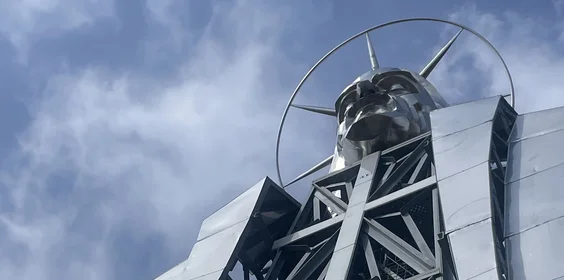
Heart of Jesus Lookout The Jesus Lookout in Farkaslaka (Lupeni in Romanian), Harghita County, stands atop Gordon Hill at an altitude of 953 metres above sea level. The monumental 22-metre-tall stainless steel Jesus statue is not only one of the most renowned landmarks of Székely Land but also one of the largest Christ statues in the world, which visitors can enter. Románia, 537165 Farkaslaka
-
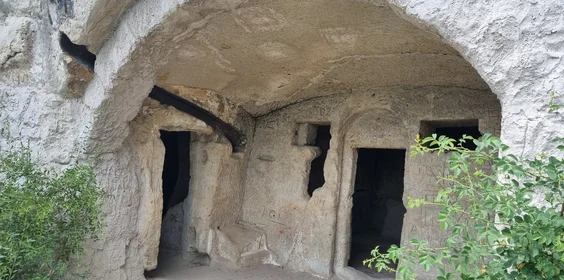
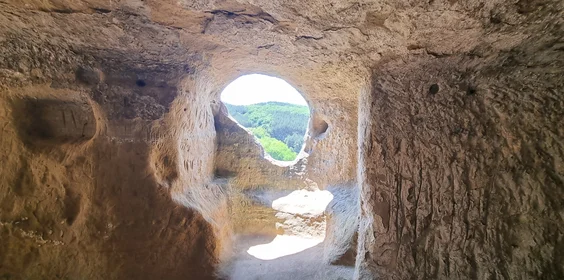
Hermit Dwellings of Szentkút The Hermit Dwellings of Szentkút represent a unique fusion of nature and spirituality, of geological history and human presence. Through a sustainable tourism approach, these values can be preserved for future generations. The site is easily accessible on foot and integrates well with the region’s thematic hiking trails, geo-tourism initiatives, and environmental education programmes. Magyarország, 3077 Mátraverebély
-
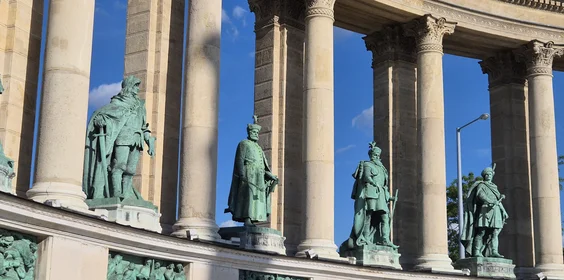
Heroes' Square Heroes' Square is one of Budapest's most famous and most visited public spaces, marking the end of Andrássy Avenue and serving as the gateway to City Park. Together with the Millennium Monument, the square is one of the most important symbols of Hungarian statehood and historical memory in Budapest, and along with Andrássy Avenue, it is part of the Budapest World Heritage Site. Magyarország, 1146 Budapest, Hősök tere
-
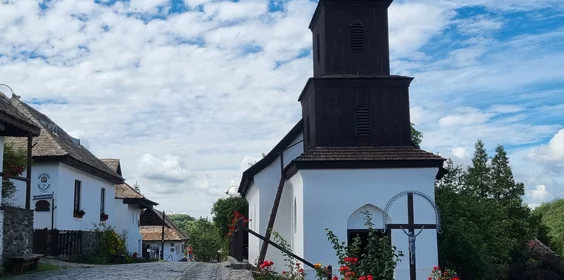
Hollókő Old Village In 1987, Hollókő Old Village became the first rural location in the world to be added to the UNESCO World Heritage list. This recognition was based on the architectural unity of the settlement: the village centre, consisting of 67 protected houses, faithfully preserves the folk architecture of the 17th and 18th centuries. Magyarország, 3176 Hollókő, Kossuth utca
-
Jenő Gávai Gaál Promenade In 2024, the Jenő Gávai Gaál Promenade was established in Lőkösháza, along with a statue erected in honour of the polymath. Magyarország, 5743 Lőkösháza
-
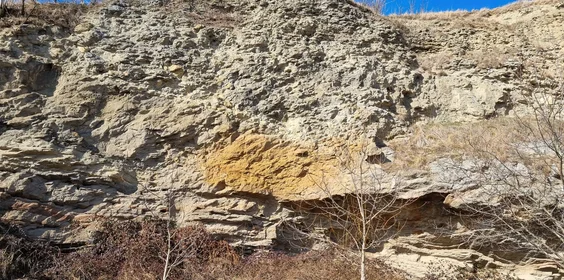
Kazár Rhyolite Tuff The Kazár rhyolite tuff exposure is one of the most fascinating natural sites of the Cserhát Hills, representing both a remarkable trace of geological history and a unique example of the human–nature relationship. Located just northwest of the village of Kazár, this site is freely accessible as part of the Nógrád Geopark, making it a popular destination for geology enthusiasts and nature lovers alike.
-
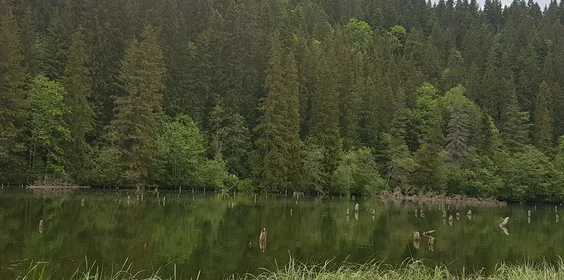
Killer Lake and Bicaz Gorge One of the most unique natural regions of the Eastern Carpathians is Killer Lake and the adjoining Bicaz Gorge, nestled within the embrace of the Nagyhagymás Mountains. The area's extraordinary beauty is defined by its unique geological formations, wild gorges, and place names that evoke a mysterious past. Románia, 535502 Gyilkosvölgyi Telep
-
Kőlyuk of Kishartyán – A Gateway to the Miocene Past in the Novohrad–Nógrád Geopark Located on the western edge of the village of Kishartyán, the Kőlyuk (“Stone Hole”) is a striking natural cavity carved into a limestone cliff.
-
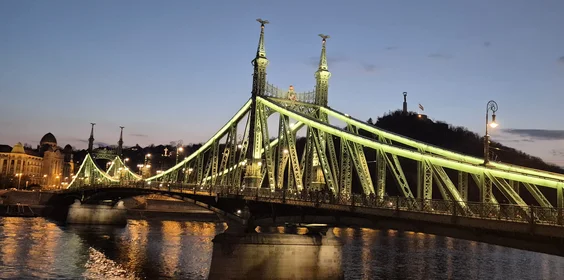
Liberty Bridge The Liberty Bridge is one of Budapest's most famous Danube bridges, connecting Fővám Square and Szent Gellért Square. Opened in 1896, the crossing was originally named Franz Joseph Bridge and played a key role in shaping modern Budapest as the city's third bridge. It is easily recognisable by its distinctive green steel structure and the turul birds adorning its pillars. Magyarország, 1056 Budapest, V. kerület
-
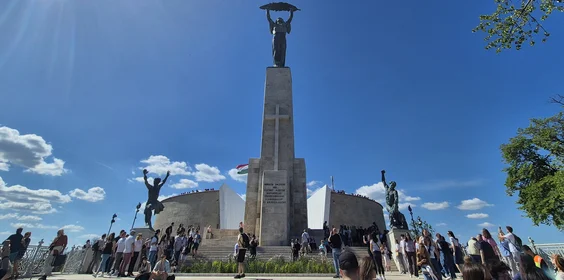
Liberty Statue Standing tall at the highest point of Gellért Hill, near the eastern bastion of the Citadel, is perhaps the most iconic figure of the Hungarian capital. The female figure holding a palm branch aloft not only dominates the skyline but also bears witness to Budapest's turbulent history and constant renewal. Following the major reconstruction in 2025–2026, the statue and its surroundings now exemplify modern, sustainable, and inclusive tourism. Magyarország, 1118 Citadella, XI. kerület, Citadella sétány 1
-
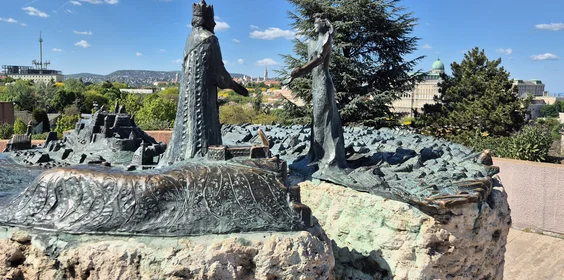
Lookout Rock - The Statue of Prince Buda and Princess Pest On the southern slopes of the Buda Castle District, next to the Garden of Philosophers, stands a creation that is one of Budapest's most beautiful yet understated symbols. Márta Lesenyei's 1982 bronze statue is not just a monument: it is an intimate declaration of the unification of two city districts, inviting visitors to pause and touch. Magyarország, 1016 Budapest, I. kerület, Víztározó köz
-
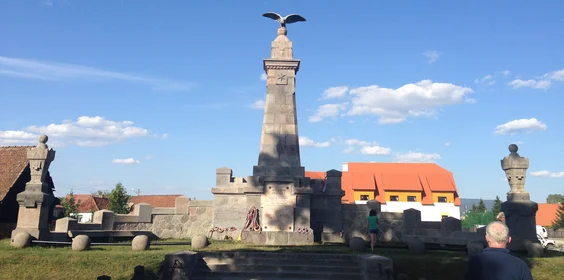
Madéfalva Massacre Memorial The Madéfalva Massacre Memorial (Siculicidium Memorial) stands in the centre of Madéfalva, Harghita County, and pays a fitting tribute to one of the most tragic events in Székely history. The monument preserves the names and sacrifices of the victims of the massacre that occurred at dawn on 7 January 1764, when imperial troops launched a surprise attack, killing hundreds of defenceless Székelys who were protesting against the forced conscription into the border guard under Maria Theresa's rule. Románia, 537295 Siculeni, Strada Principală 41 -
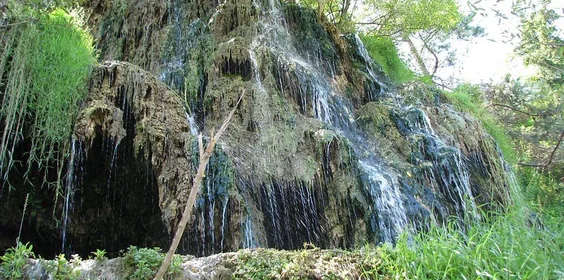
The Toplița Thermal Waterfall The Toplița Waterfall (in Romanian Cascada Mezotermală din Toplița) is a unique thermal waterfall with travertine formations, and one of the most beautiful natural attractions in the town of Toplița. What makes the waterfall special is that it is formed by warm mineral water at 26–27 °C, which naturally springs from the ground and cascades down a limestone terrace from a height of about 10 metres. Románia, 535700 Toplița, Strada Cascadei
-
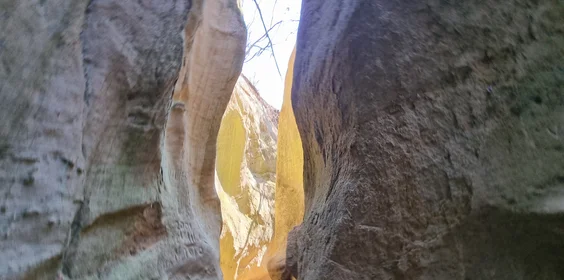
Morgó-gödör of Nemti – Hungary’s Miniature Grand Canyon The Morgó-gödör (“Growling Pit”) is a stunning sandstone gorge over 20 million years old, located near the village of Nemti in Nógrád County.
-
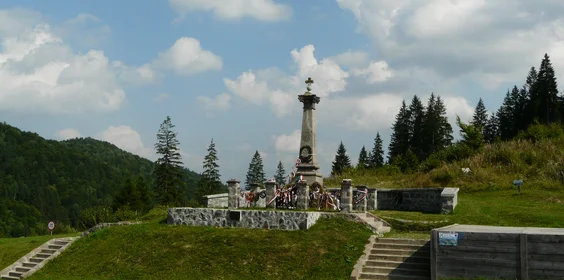
Nyergestető Memorial Site Located on a mountain pass between Harghita and Covasna counties in the Eastern Carpathians, the Nyergestető Memorial Site (literally: "Saddle Peak") commemorates a dramatic historical event from the mid-19th century. Here, a small group of local defenders—mostly from nearby villages—stood against a much larger invading army in a battle that ultimately claimed many lives. -
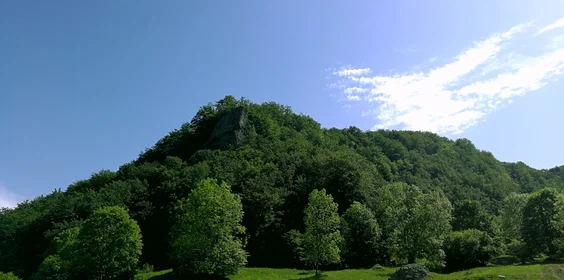
Owl Castle Owl Castle in Borsec, known in Romanian as Cetatea Bufnițelor, is one of the town's most unique natural attractions. This rugged, steep rock formation towers above the spa resort and offers a breathtaking panoramic view of the Borsec Basin, the surrounding mountains, and the distant Bistrița Valley. The name originates from the birds of prey, particularly owls, that nest around the rocks and are often observed in the area. Románia, Borsec
-
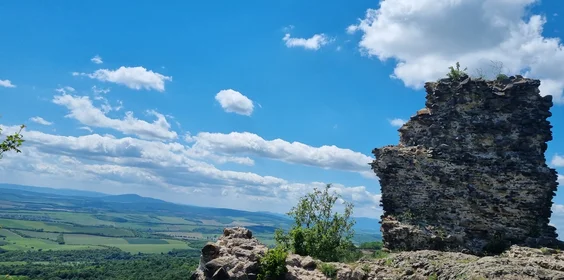
Rapsonné's Castle One of the most mysterious medieval ruins in Székely Land is located near Praid, on a steep, forest-covered hilltop. The remnants of the fortress known as Rapsonné's Castle are nestled among andesite rocks – moss-covered walls, sunken stones, and a man-made water reservoir tell the story of the fortress's former role. Although historical records suggest the castle was built in the 13th century and likely provided refuge for locals during the Mongol invasion, today it is the legends associated with it and its enchanting natural surroundings that make this place truly unique. Románia, Bucsin
-
Ruins of Szanda Castle Szanda Castle stands atop a 529-metre-high volcanic hill composed of andesitic tuff, offering one of the most scenic panoramas of the Cserhát region. Located near the village of Szanda, the castle ruins are not only a relic of Hungary’s medieval past but also a prominent geosite within the Novohrad–Nógrád UNESCO Global Geopark, where geological and cultural heritage intertwine.
-
Saint Ladislaus' Ravine Mátraverebély-Szentkút is a place where legends come alive, where springs still flow from ancient myths, and where every visitor can make a difference — within themselves, in the community, and in the natural world. Magyarország, 3077 Mátraverebély
-
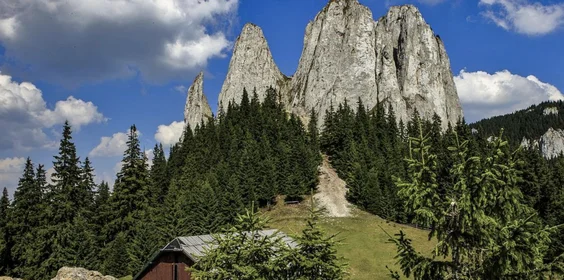
Lonely Rock Lonely Rock (in Romanian, Piatra Singuratică) is an iconic rocky tower of the Hagymás Mountains, majestically rising to an altitude of 1,608 metres above sea level at the northern edge of the Csíki Basin. Its name reflects its character: this 'solitary rock' dramatically stands apart from the rest of the mountain range, boldly reaching towards the sky. Románia, 535200 Balánbánya
-
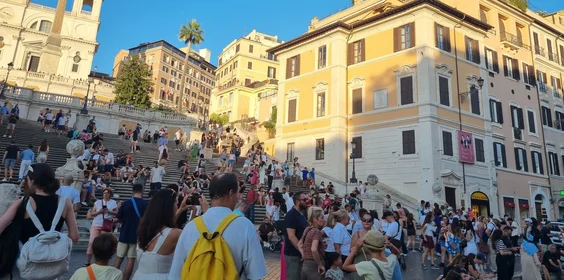
Spanish Steps The Spanish Steps are much more than just a simple passage between Piazza di Spagna and the Trinità dei Monti church. They are Rome’s “living room,” a monumental open-air theatre where locals and visitors have been meeting for centuries. With its 135 steps, it is the longest and widest outdoor staircase in Europe, with every twist and turn showcasing Baroque dynamism. Olaszország, 00187 Roma, Piazza di Spagna
-
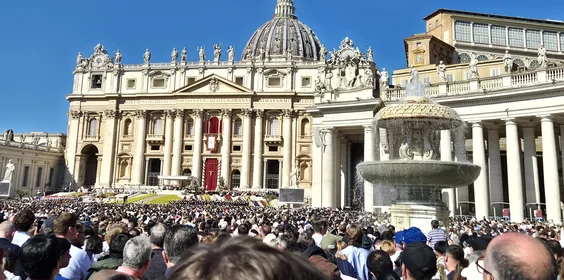
St Peter's Square St Peter's Square (Piazza San Pietro) is not just the entrance to the Vatican but one of the world's most renowned and awe-inspiring public spaces. Upon entering the square, visitors immediately feel the monumental power and harmony envisioned by Gian Lorenzo Bernini in the mid-17th century. The design of the square is symbolic: the two massive semi-circular colonnades represent the 'embracing arms' of the Church, welcoming believers and visitors from all over the world, regardless of their origins. Olaszország, 00120 Roma, Piazza San Pietro
-
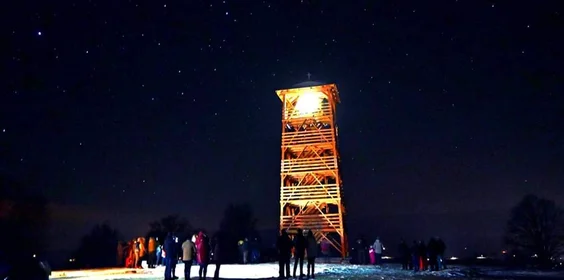
Székelyvarság Lookout Perched on the edge of Székelyvarság, the lookout tower stands on a forested hilltop, offering an unparalleled panoramic view of the Harghita and Gurghiu Mountains. This simple yet elegant wooden structure is a perfect example of how to admire the landscape with respect – free from artificial influences, using natural materials, and blending seamlessly into the environment. Románia, 537350 Székelyvarság
-
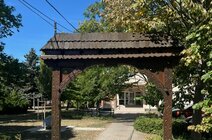
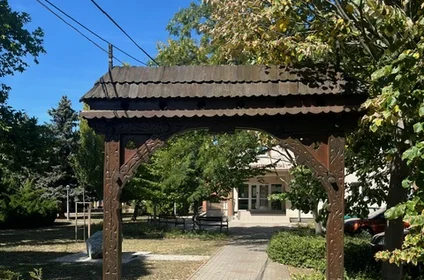
Székely Gate and Memorial Post Our connection with Torja in Transylvania began in 1990 through correspondence with Artúr Coroi, the mayor at the time. Following the 1990 municipal elections, the relationship between the towns of Torja and Gádoros was strengthened, and the first meeting took place in Torja in April 1991. From then on, meetings became regular, occurring several times a year. In 1992, our friends from Torja performed the comedy "Open Window" at the House of Culture, and the next day they ceremoniously presented a small memorial post, handcrafted as a token of their friendship. This can be found in the park in front of the Zsigmond Justh Cultural House. For our second village day on 30 September 1995, our friends from Torja gifted the residents of Gádoros with a Székely gate. The gate was crafted by József Miholcsa, a folk woodcarving artist. At the handover ceremony, András Kováts, the Mayor of Torja, said: "Whoever walks under the Székely gate should always remember that the residents of the twin town belong to Hungary with all their heart and soul." Magyarország, 5932 Gádoros, Doktor Hidasi László utca
-
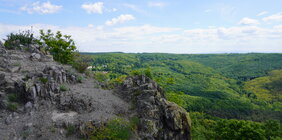
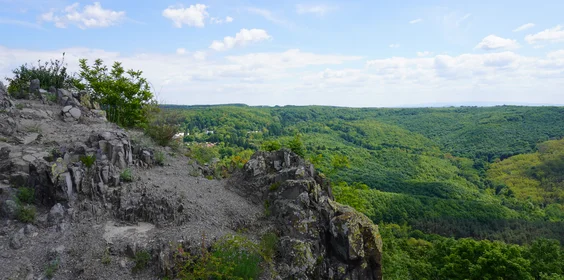
The viewpoint If you walk up to the viewpoint above the village, you can not only enjoy the spectacular view, but also get a sense of the mystical nature that the people of the area attributed to their natural environment for centuries. The local tales – told by the admiring and humble people - present a world where people do not dominate nature, but submit to its laws, and in return, nature gives them all the good things they can imagine. Hungary, 3916 Bodrogkeresztúr
-
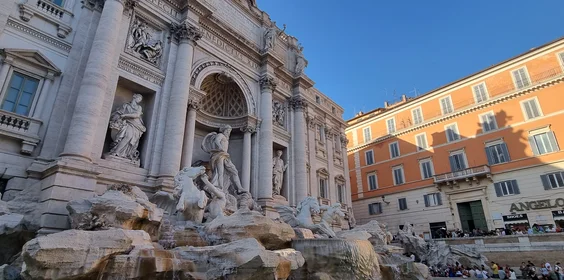
Trevi Fountain Emerging from the labyrinth of Rome's narrow streets, the sight of the Trevi Fountain is truly breathtaking. The massive sculpture group, built into the façade of the Palazzo Poli, is not just a fountain but a monumental Baroque masterpiece. Here, the sound of cascading water, the shimmer of white marble, and the murmur of the crowd create a unique urban symphony. For visitors of I-DEST.com, this location epitomises the Roman spirit and the pinnacle of hydraulic engineering. Olaszország, 00187 Roma, Piazza di Trevi
-
Witch's Rock Where volcanic fire meets Palóc legends Magyarország, 3100 Salgótarján -
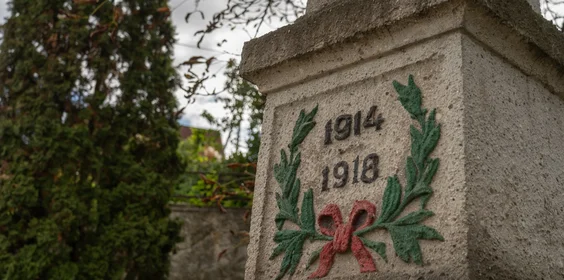
World War I Memorial The monument is a memorial of the heroes of the First World War. Hungary, 3916 Bodrogkeresztúr, Kossuth utca 21